

Sedentary work, repetitive bending and poor posture have become deeply ingrained habits for modern people, and these habits can subtly put our lower back muscles in a "fatigue predicament".Chronic strain often leads to persistent lower back pain, stiffness, and has become an "invisible shackle" for many. However, hyperbaric oxygen therapy (HBOT) offers a novel noninvasive physical treatment that could aid in the recovery from lumbar muscle strain.
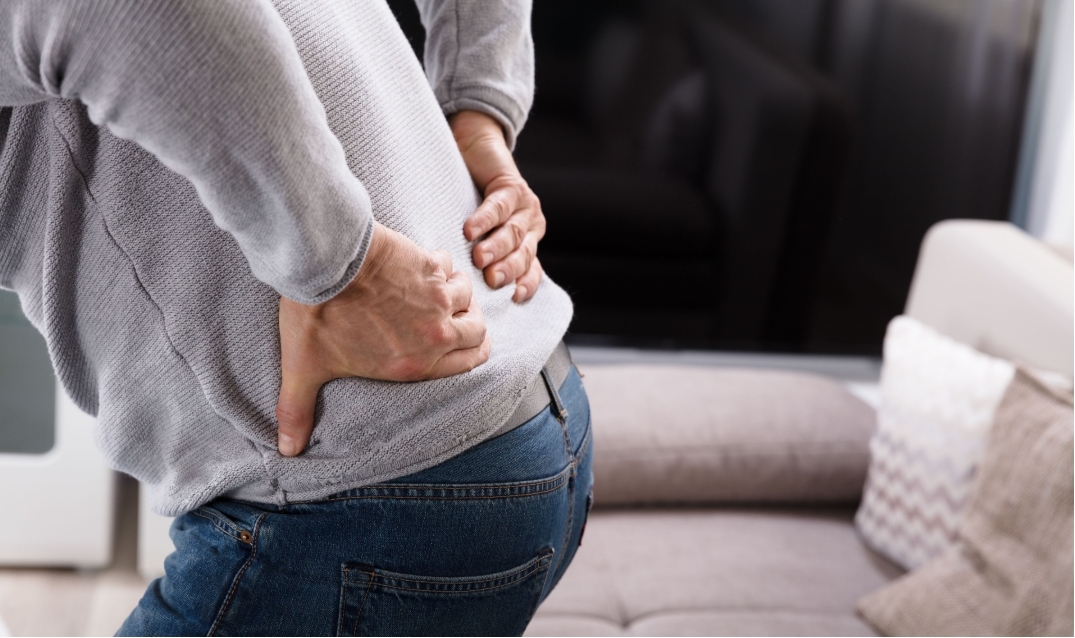
Lumbar Muscle Strain and its Consequences
Lumbar muscle strain, primarily caused by long periods of high stress on the lower back, leads to discomfort and restricts daily activities. It is essential to note that while HBOT is not a first-line therapy for lumbar muscle strain, it serves as an auxiliary option when conventional treatments fail. It is particularly suitable for three groups of individuals:
1. Individuals with chronic lumbar muscle strain that does not improve, experiencing persistent pain and limited mobility.
2. Patients whose symptoms remain unchanged after standard physical therapy and medication, showing evident local hypoxia.
3. Older adults suffering from lumbar muscle spasms alongside restricted range of motion in the lumbar spine.
How Does Hyperbaric Oxygen Therapy Help with Lumbar Muscle Strain?
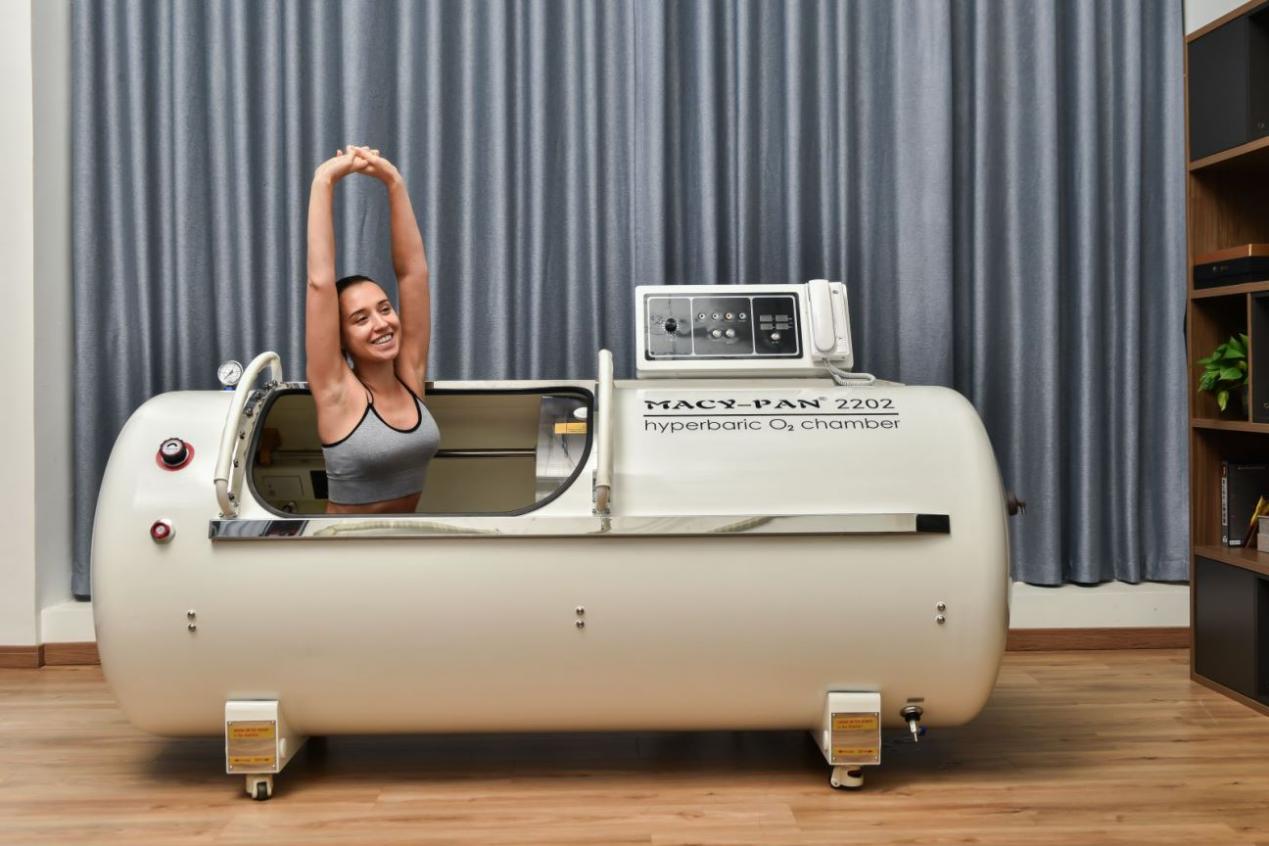
The key to HBOT's effectiveness lies in its ability to deliver supplemental oxygen to hypoxic and damaged lumbar muscles. Under increased pressure, the blood's oxygen content rises, swiftly improving the local ischemic and hypoxic conditions of the lumbar muscles. This process alleviates aseptic inflammation and relieves pain and stiffness.
1. Precision Oxygen Supply: Alleviating Pain
In a hyperbaric environment, oxygen binds not only to hemoglobin but also dissolves into plasma, significantly enhancing the blood's oxygen transport capability. This high concentration of oxygen penetrates the deeper layers of the lumbar muscles, quickly ameliorating hypoxic conditions and accelerating the elimination of metabolic waste, thus relieving lower back pain and stiffness.
2. Anti-inflammatory Repair: Restoring Muscle Function
High concentrations of oxygen reduce the release of pro-inflammatory cytokines such as TNFα and IL6, lessening local inflammation and lowering the pain sensitivity of nerve endings. Simultaneously, adequate oxygen supply stimulates fibro-blast activity, speeding up collagen synthesis and providing ATP energy support essential for repairing and regenerating damaged lumbar muscles.
3. Enhanced Circulation: Breaking the Vicious Cycle
HBOT expands capillaries and optimizes micro-circulation, easing local blood flow blockages. This ongoing improvement in circulation ensures a consistent oxygen supply to the muscles, breaking the "Hypoxia-injury" vicious cycle. This is especially beneficial for long term rehabilitation in chronic strain patients.
The Role of HBOT in Muscle Recovery
For elite athletes, quick recovery from muscular injuries is crucial. Clinical findings suggest that hyperbaric oxygen therapy accelerates cellular recovery and tissue repair, which helps in combating fatigue and restoring stamina. Its positive impact on muscle recovery can be summarized as follows:

Improving Hypoxic Conditions: The increased dissolved oxygen in a hyperbaric environment provides sufficient oxygen to the damaged muscle tissues, facilitating the healing of injured muscles.
Promoting Tissue Repair: HBOT stimulates fibro-blast proliferation and collagen synthesis, accelerating the healing of muscle fibers while enhancing local micro-circulation to provide necessary nutrients and oxygen for muscle recovery.
Reducing Inflammatory Response: By inhibiting the release of inflammatory cytokines, HBOT mitigates swelling and pain after muscle injuries, reducing the risk of secondary tissue damage.
Accelerating Metabolite Clearance: Following intense exercise, the buildup of lactic acid can cause muscle fatigue. HBOT enhances lactate dehydrogenase activity, promoting the conversion of lactic acid, thus facilitating quicker recovery.
Boosting Immune Function: Increasing the bactericidal ability of white blood cells, HBOT enhances immunity and reduces the risk of infection in injured areas, creating a favorable physiological environment for muscle healing.
Clinical studies indicate that for acute muscle strains, bruises, or post-exercise fatigue, HBOT can notably shorten recovery time and alleviate pain and swelling. Many patients experience improved muscle function and mobility after a few sessions, recovering faster than traditional treatments.
Can HBOT Help with Back Pain?
HBOT has shown efficacy in treating various conditions, including chronic wounds, infections, and specific pain types like back and neck pain, by promoting efficient cellular repair and enhancing blood circulation.
Potentially effective uses for back pain include:
1. Nerve Root Compression Injuries: Conditions like cervical spondylosis or lumbar disc herniation that compress nerve roots can cause radiating pain and numbness. HBOT can alleviate hypoxia and inflammation in these areas.
2. Post Spinal Surgery Pain and Nerve Recovery: Following spinal surgery, local tissues may experience ischemia or hypoxia. HBOT aids tissue repair, accelerates nerve function recovery, and reduces postoperative pain and complications.
3. Muscle Strain or Chronic Inflammation-induced Back Pain: Chronic strain or conditions like myofascial pain syndrome may benefit from HBOT's ability to enhance local circulation and reduce inflammation.
In conclusion, hyperbaric oxygen therapy presents a promising auxiliary treatment for lumbar muscle strain and other muscle recovery challenges, contributing significantly to healthier living. With its multitude of benefits in enhancing oxygen delivery, reducing inflammation, and facilitating recovery, HBOT represents a groundbreaking step towards effective rehabilitation, particularly for those suffering from chronic muscle pain and fatigue. Embracing this innovative treatment can pave the way for a stronger, more resilient version of ourselves.
Post time: Feb-04-2026