

In recent years, hyperbaric oxygen therapy (HBOT) has garnered attention not only as a treatment for decompression sickness but also as a potential remedy for various health conditions, including allergies, nasal congestion, sleep apnea, and snoring. In this blog post, we will explore how HBOT may alleviate these issues and improve overall health and well-being.
Does a Hyperbaric Chamber Help with Allergies?
Hyperbaric oxygen therapy offers several physiological effects that make it an appealing treatment for allergies. One of the primary benefits of high-pressure oxygen is its ability to reduce inflammation. Research suggests that HBOT can inhibit the release of inflammatory mediators, such as histamine from mast cells, thus alleviating symptoms like swelling, itching, and exudation associated with allergic reactions, including allergic rhinitis and urticaria.

Regulating Immune Function
Moreover, HBOT can modulate immune function by adjusting the activity of immune cells. It helps suppress the overactive immune response often seen in chronic allergic conditions, such as chronic urticaria and allergic asthma. Consequently, individuals may experience a decrease in the severity and frequency of allergic reactions, aiding in long-term management.
Improving Tissue Hypoxia and Repair
Allergic reactions are commonly accompanied by localized tissue hypoxia and damage. Hyperbaric oxygen therapy enhances blood oxygen levels, promotes microcirculation, and accelerates cellular repair processes. This can be beneficial for reducing tissue edema in mucosal surfaces, such as nasal and conjunctival membranes, thus alleviating symptoms associated with allergies.
Supporting Respiratory Allergy Relief
In conditions like allergic asthma and allergic rhinitis, HBOT can reduce airway mucosal edema and improve ventilation. By mitigating symptoms during both exacerbation and remission phases, HBOT serves as a valuable adjunct therapy for those suffering from respiratory allergies.
It is important to note that HBOT is not suitable for all allergy cases. It should be used in conjunction with pharmacological treatments and avoidance of allergens. Emergency situations, such as severe allergic reactions, must receive immediate medical attention.
Can Hyperbaric Chamber Help Nasal Congestion?
Chronic sinusitis often leads to inflammation and swelling, which result in reduced blood flow and oxygen delivery to sinus tissues. Hyperbaric oxygen therapy addresses this issue by increasing the quantity of oxygen dissolved in the bloodstream, ensuring it reaches even the inflamed and swollen areas of the sinuses.
Mechanisms of Action
1. Reducing Inflammatory Responses: HBOT can suppress the release of pro-inflammatory factors, reducing nasal mucosal swelling and significantly alleviating nasal congestion symptoms. It may offer positive results for patients experiencing congestion due to rhinitis and sinusitis.
2. Enhancing Local Blood Circulation: The hyperbaric environment increases the amount of dissolved oxygen in the bloodstream, promoting better circulation to the nasal mucosa. This enhanced perfusion may help reduce nasal flare-ups and improve ventilation.
3. Promoting Tissue Repair: By fostering fibroblast proliferation and collagen synthesis, HBOT aids in the healing of damaged nasal mucosa, thus restoring normal function and indirectly relieving nasal blockage.
Considerations
However, HBOT may not be effective for all cases of nasal congestion. If it is caused by structural issues like a deviated septum or nasal polyps, other treatments, including surgical options, may be necessary. If nasal congestion is accompanied by severe infection or fever, further medical evaluation may be warranted before considering HBOT.
Is HBOT Good for Sleep Apnea?
Research indicates that hyperbaric oxygen therapy holds promise for improving symptoms associated with sleep apnea. It enhances sleep quality and moderates symptoms of sleep disorders by increasing oxygen levels in the bloodstream and the brain.
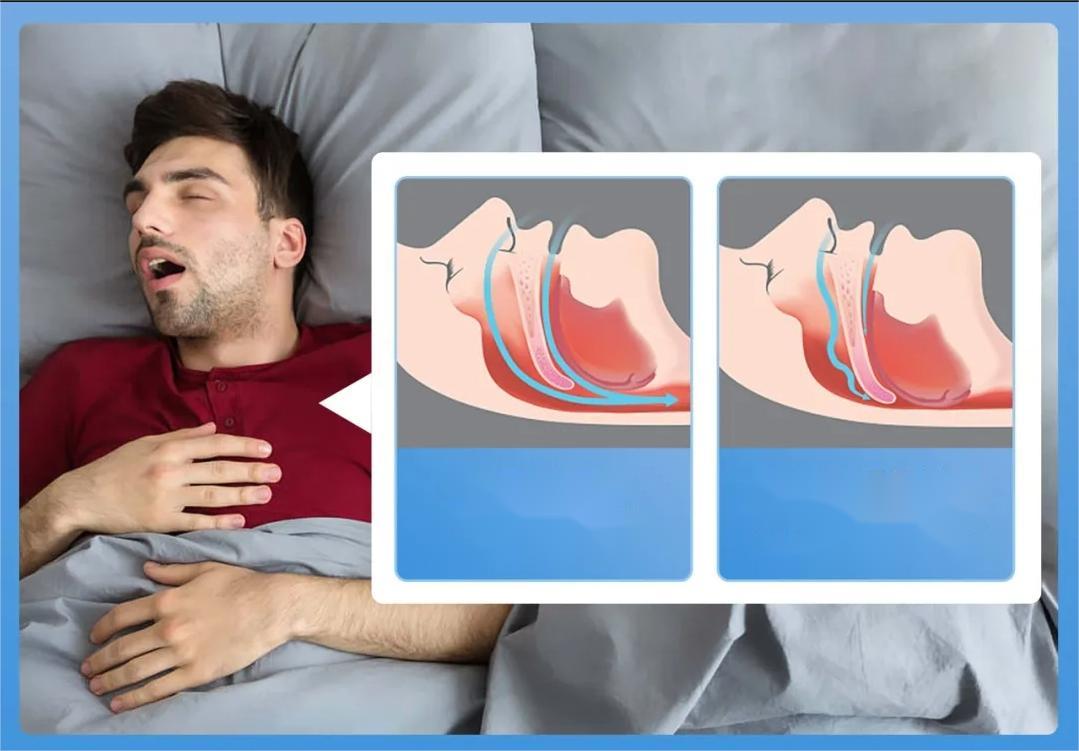
Benefits of HBOT for Sleep Apnea
1. Improving Hypoxic Conditions: Sleep apnea induces intermittent hypoxia, which HBOT can mitigate by delivering high concentrations of oxygen under pressure, thus safeguarding against the impairments caused by oxygen deprivation.
2. Reducing Inflammatory Responses: Chronic hypoxia is associated with systemic inflammation. HBOT exhibits anti-inflammatory properties that can help lower the release of inflammatory mediators, improving overall health and sleep quality.
3. Repairing Tissue Damage: Over time, sleep apnea can inflict damage to cardiovascular and neurological systems. HBOT promotes tissue repair, alleviating symptoms like palpitations and headaches, which indirectly improves sleep patterns.
4. Regulating Neurological Function: HBOT can stabilize neurotransmitter balance and enhance melatonin secretion. This contributes to a more regular sleep rhythm and deeper sleep.
Conclusion
In conclusion, while hyperbaric oxygen therapy (HBOT) shows considerable promise as a treatment option for allergies, nasal congestion, sleep apnea, it is important to approach it as part of a comprehensive management plan.
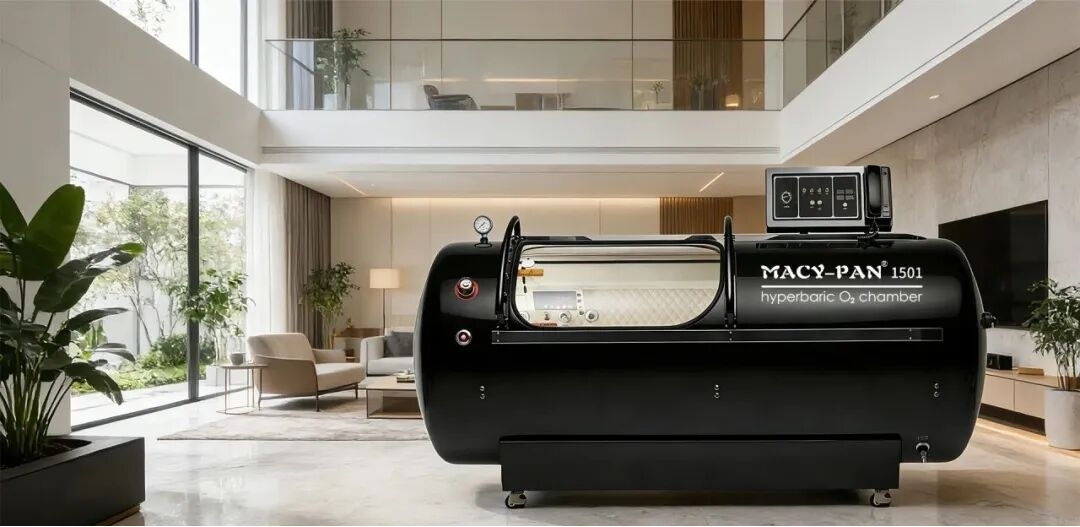
Choose to suit their own household hyperbaric oxygen chamber, means you are provide the best support and care for your body. In a hyperbaric oxygen environment, the body can fully absorb oxygen, thereby stimulating the vitality of the immune system and enabling it to respond more effectively to external threats. This is not only a comfortable experience, but also an investment in your overall health.
Post time: Mar-04-2026