

Epilepsy is a chronic condition characterized by recurrent episodes of transient dysfunction of brain activity due to abnormal neuronal discharges. Unlike conventional epilepsy, epileptic encephalopathy is a relentless assault on the brain, causing a gradual regression in cognition, language, and motor functions in patients. Given the challenges of treating such a “refractory” condition, hyperbaric oxygen therapy (HBOT) is emerging as a crucial adjunctive treatment method in clinical practice. Today, we will delve into how hyperbaric oxygen therapy works its magic in the realm of epileptic encephalopathy.
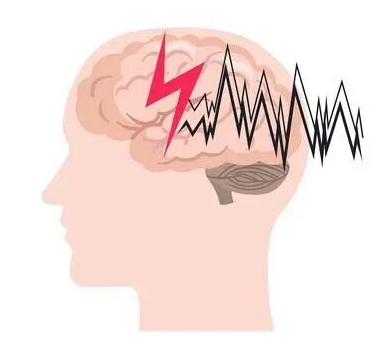
Epileptic Encephalopathy: More Than Just “A Seizure”
Epileptic encephalopathy includes a group of specific epilepsy syndromes, commonly seen in infants and children. Key characteristics include:
1. Frequent Seizures: Seizures occur with high frequency and can even be in a continuous state.
2. Abnormal EEG: Electroencephalograms (EEG) show severely abnormal background activity with frequent discharges.
3. Functional Regression: Affected children may experience significant regression in intelligence, language, and motor abilities, and may even display behaviors reminiscent of autism.
Well-known conditions like West syndrome (infantile spasms), Lennox-Gastaut syndrome, and Dravet syndrome fall under the umbrella of epileptic encephalopathy.
How Hyperbaric Oxygen Therapy (HBOT) Breaks the Cycle?
HBOT does not merely aim to “stop seizures”; rather, it works by improving the brain's “internal environment,” thus exerting its effects indirectly. The mechanisms include:
1. Improving Brain Tissue Hypoxia: During a seizure, the brain enters a state of severe hypoxia. This lack of oxygen exacerbates brain injury, leading to more abnormal discharges, thereby creating a vicious cycle. HBOT rapidly increases the partial pressure of oxygen, allowing oxygen to “penetrate” damaged brain tissues and directly alleviate hypoxia, effectively breaking this cycle.
2. Reducing Cerebral Edema and Intracranial Pressure: Frequent seizures can lead to brain edema and increased intracranial pressure, further compressing neural structures. HBOT encourages vasoconstriction, reduces brain swelling, and lowers intracranial pressure, creating room for nerve repair.
3. Repairing Damaged Neurons: HBOT stimulates the proliferation of neural stem cells and enhances neovascularization, which is vital for repairing damaged neurons and glial cells. This is especially important for those with epileptic encephalopathy resulting from encephalitis, traumatic brain injury, and similar causes.
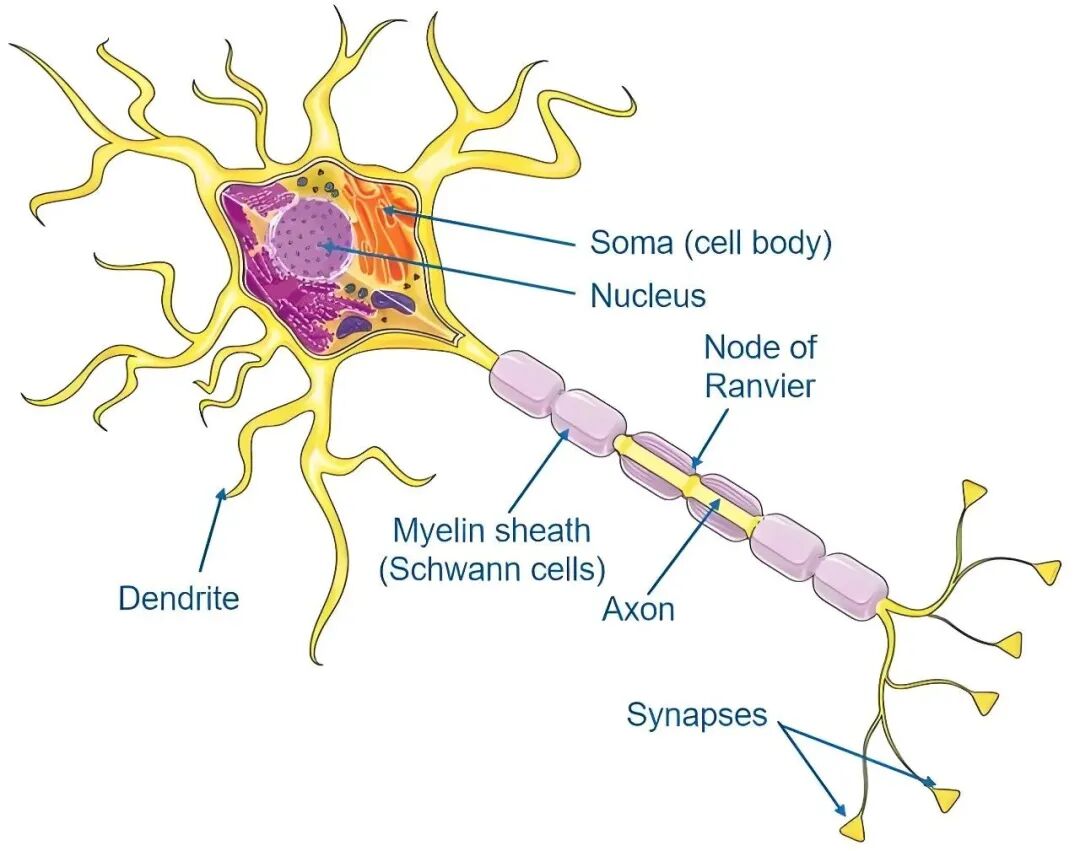
4. Regulating Inflammatory Responses: Research indicates that HBOT can decrease the levels of inflammatory factors in the serum (such as IL-6 and TNF-α), alleviating cerebral inflammatory responses. This is particularly beneficial for epileptic encephalopathy resulting from autoimmune encephalitis.
Clinical Efficacy
While HBOT cannot completely replace antiepileptic medications, it has shown promising effects as an adjunct treatment, particularly in symptom alleviation and promoting neurological recovery:
Reduced Seizure Frequency: Studies indicate that care combining HBOT with medication can lower the frequency and severity of seizures.
Improved Cognitive Function: For patients experiencing cognitive regression, HBOT often leads to observable improvements in cognitive abilities post-treatment.
Arousal Facilitation: For patients in a state of altered consciousness following prolonged seizures, HBOT can stimulate brainstem functionality and promote arousal.
Important Considerations
While the benefits of HBOT are numerous, safety remains paramount. For epilepsy patients, adherence to the following principles is crucial:
Gentle Pressure: For patients with seizure histories, it is usually advised to employ lower pressures (where applicable) to effectively reduce the risk of seizure occurrence.
Proper Timing: If a patient has experienced frequent seizures recently or has unstable conditions, HBOT should be deferred until the condition is stable and well controlled, after careful evaluation by a physician.
Careful Process Monitoring: During treatment, decompression must be performed slowly, with vigilant monitoring of the patient's condition.
For the complex condition of epileptic encephalopathy, a singular treatment method is often insufficient. Hyperbaric oxygen therapy serves as a physical rehabilitation strategy, improving brain oxygenation, repairing nerves, and reducing inflammation, thus providing robust support for pharmacological interventions.
If you or a loved one is grappling with epileptic encephalopathy, consider consulting professionals in neurology and hyperbaric medicine to evaluate whether HBOT is appropriate as a part of a comprehensive treatment approach.
Post time: Apr-02-2026