

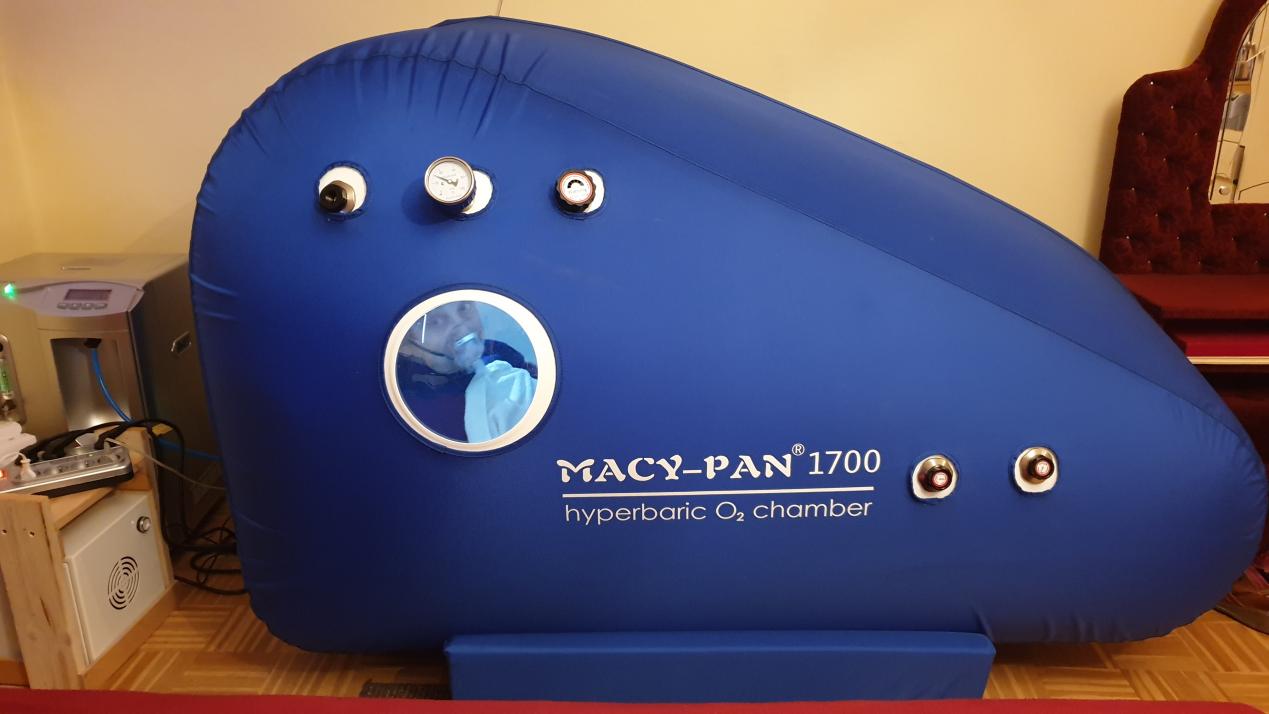
Hyperbaric oxygen therapy is a treatment method that promotes physical recovery by having patients inhale pure oxygen in an environment with pressure higher than normal atmospheric levels. Medically, this therapy has been widely used to treat a variety of conditions, including hyperbaric oxygen therapy for pneumonia, wound healing, and acute hypoxia. In recent years, a growing body of research has indicated that hyperbaric oxygen therapy also shows significant potential in the treatment of chronic diseases such as Lyme disease.
What are the pathological mechanisms and challenges of Lyme disease?
Lyme disease is an infectious condition caused by a spirochete infection, most commonly transmitted through the bite of ticks carrying the bacteria. Its primary symptoms include fever, headache, joint pain, and skin rashes. If not treated promptly, Lyme disease may progress to a chronic stage, leading to long-term fatigue, arthritis, and even neurological complications. Because its symptoms often resemble those of other illnesses, Lyme disease is frequently misdiagnosed, posing significant challenges for effective treatment.
What positive effects does hyperbaric oxygen therapy have in the treatment of Lyme disease?
The principle of hyperbaric oxygen therapy is to enhance the solubility of oxygen in the body, increase tissue oxygenation, improve blood circulation, and promote the repair of damaged tissues. When used to support recovery in patients with Lyme disease, its potential benefits can be summarized in several key aspects:
1. Enhancement of immune response:
The delivery of high concentrations of oxygen can increase the activity of white blood cells in the immune system, accelerating the clearance of infectious agents and strengthening the body’s immune response against Borrelia spirochetes.
2. Reduction of inflammatory responses:
Hyperbaric oxygen therapy can help suppress chronic inflammation, thereby reducing joint pain and swelling associated with Lyme disease.
3. Promotion of neurological repair:
Lyme disease often involves damage to the nervous system. Hyperbaric oxygen therapy may stimulate nerve regeneration, helping to restore neurological function and alleviate chronic symptoms.
4. Improvement of medication effectiveness:
By increasing oxygen levels in the blood, hyperbaric oxygen therapy may enhance the penetration and effectiveness of antibiotics and other medications, thereby supporting overall treatment outcomes.
What side effects may hyperbaric oxygen therapy have for patients with Lyme disease?
Although hyperbaric oxygen therapy can be beneficial for many patients with Lyme disease, it also carries certain risks of side effects for Lyme disease patients, individuals with other medical conditions, and even healthy people. Common adverse effects include:
1. Ear discomfort:
Changes in pressure in a hyperbaric environment may cause ear discomfort or pain.
2. Blurred vision:
Some patients may experience temporary blurred vision during or after exposure to a hyperbaric oxygen environment.
3. Oxygen toxicity:
The duration of a single session in a **round hyperbaric chamber at 2 ATA** must be properly controlled. Prolonged exposure to high oxygen concentrations may lead to oxygen toxicity, resulting in symptoms such as breathing difficulties and headaches.
Therefore, hyperbaric oxygen therapy should always be performed under the guidance and supervision of a qualified medical professional.
In summary, as an emerging adjunctive treatment, hyperbaric oxygen therapy demonstrates considerable potential in the management of Lyme disease by increasing oxygen delivery, enhancing immune function, and promoting tissue repair, thereby offering patients an effective supportive therapeutic option. In the market, wholesale HBOT for Lyme disease has gradually gained popularity. However, when hospitals and private clinics consider wholesale hyperbaric oxygen therapy for Lyme disease, they must carefully evaluate potential side effects and ensure that patients are treated under the supervision and guidance of qualified medical professionals. As the therapeutic effectiveness of using quality medical supplies such as 1.5 ATA hyperbaric chambers for Lyme disease continues to be validated, this treatment approach is expected to gain broader recognition and support in the future.
Post time: Feb-05-2026