

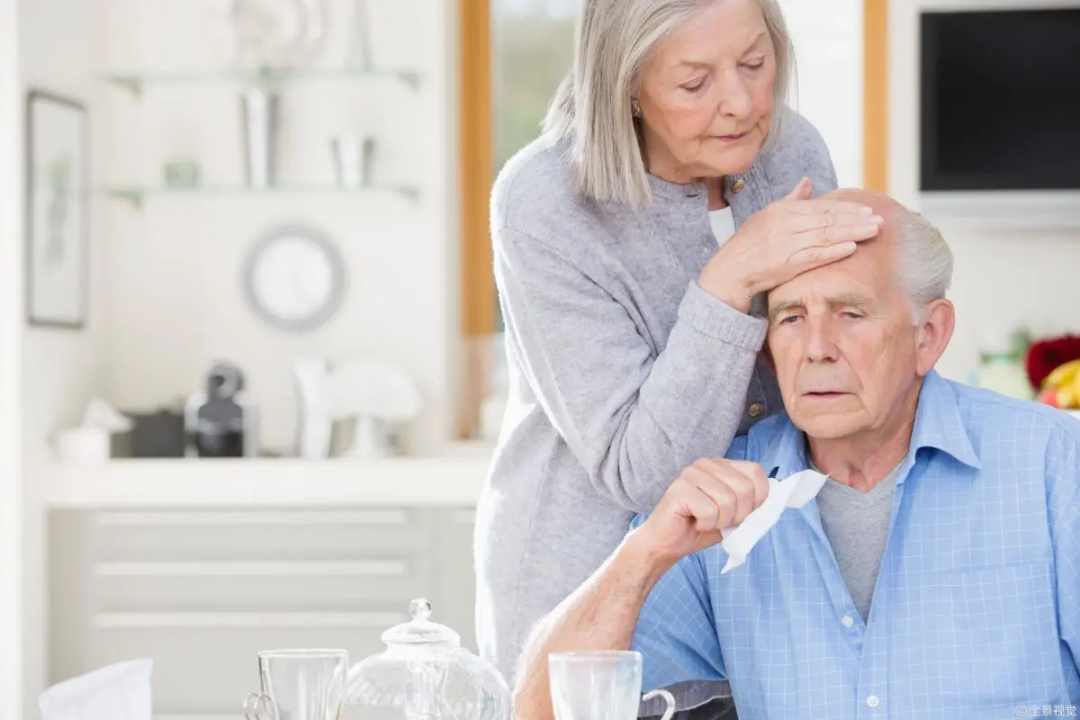
As individuals age, many discomforts that arise are not merely the effects of “normal aging.” Despite not engaging in strenuous activities, one may experience persistent fatigue, deteriorating sleep quality, declining memory, and slower reaction times. Elderly family members with chronic conditions such as diabetes and cardiovascular issues may also suffer from symptoms like numbness in limbs, slow-healing wounds, and frequent episodes of dizziness or chest tightness. Many households rely on medications to manage these symptoms, only to find that their condition continues to deteriorate. The underlying cause of these chronic ailments and discomforts often stems from systemic chronic hypoxia.
Today, we would like to take this opportunity to introduce a safe, non-invasive, and well-established clinical rehabilitation method that has been gradually gaining public attention: Hyperbaric Oxygen Therapy , (commonly abbreviated as HBOT. This therapy delivers pure oxygen at an atmospheric pressure higher than normal sea-level pressure, letting sufficient oxygen enter hypoxic tissues and organs throughout the body through the respiratory system. While it does not substitute for conventional medications prescribed by professional clinicians for chronic conditions, it directly targets the root cause of systemic chronic hypoxia that underlies a wide range of long-term ailments. By correcting this persistent oxygen shortage at the systemic level, it helps seniors stabilize their overall bodily functions, ease long-standing discomforts, and gradually improve their daily quality of life.
In recent years, eye-catching headlines have appeared in the media, such as the publication from Israeli scientists stating: “Hyperbaric oxygen therapy reverses the telomere clock by ~20 years,” coining the new term “anti-aging.” The scientific foundation for using hyperbaric oxygen for anti-aging is not baseless; it is rooted in the landmark research conducted by Professor Shai Efrati’s team at Tel Aviv University in 2020, published in the journal Aging.
This study focused on healthy older adults aged 64 and above and applied a specific HBOT regimen (2.0 ATA for 90 minutes, 60 sessions). The findings were remarkable:
Many individuals often wonder, “If we can breathe oxygen normally without any issues, why is hyperbaric oxygen therapy considered necessary?” The answer to this question is quite significant and highlights the unique advantages of hyperbaric oxygen therapy compared to conventional oxygen treatment. Regular oxygen therapy typically depends on the red blood cells in our bloodstream to transport oxygen to various parts of the body. This method only temporarily alleviates surface-level symptoms of conditions like hypoxia, which is a deficiency of oxygen in the tissues.
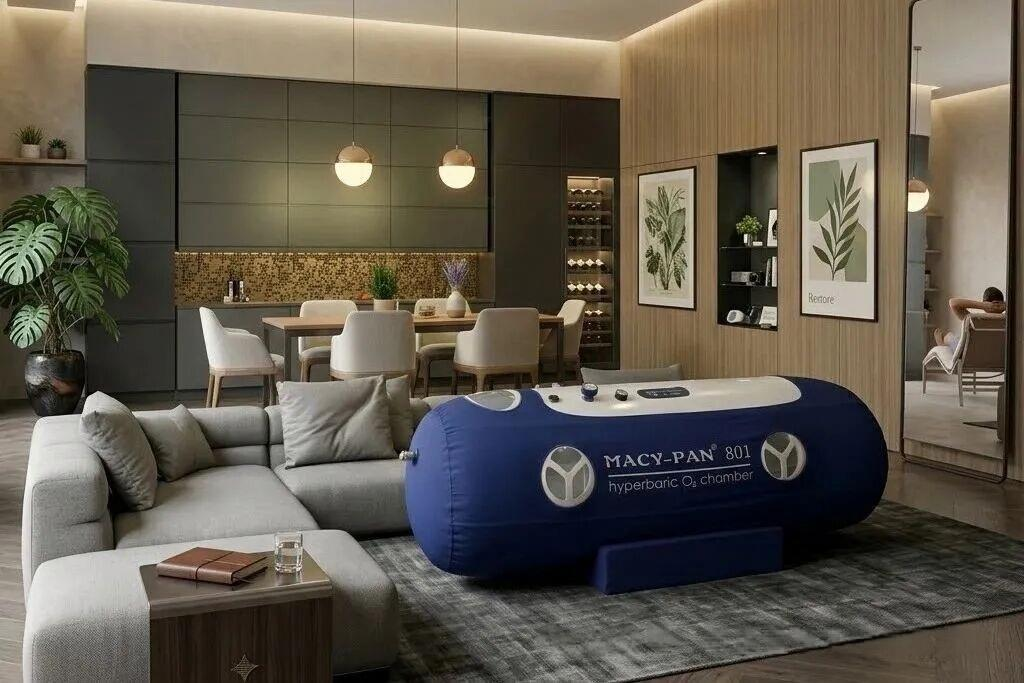
On the other hand, hyperbaric oxygen therapy employs a high-pressure environment within an enclosed chamber, which facilitates a remarkable increase in the amount of oxygen that can dissolve in the plasma, tissues, and surrounding fluids. This process allows for a much more efficient delivery of oxygen directly to areas that are affected by ischemia—tissues that are deprived of adequate blood supply. The infusion of oxygen at this heightened pressure significantly enhances its delivery levels, enabling it to penetrate deeper into tissues that may not receive sufficient oxygen through traditional means.
As a result, hyperbaric oxygen therapy not only promotes healing in damaged tissues but also accelerates recovery processes in the body. This therapy is particularly valuable in treating a variety of medical conditions ranging from chronic wounds to decompression sickness, and even certain types of infections. By understanding the fundamental differences between these two types of oxygen therapies, we can better appreciate the essential role of hyperbaric oxygen in enhancing patient health and recovery. It offers a unique and powerful tool for medical practitioners in the pursuit of optimal healing outcomes.
Anti-Aging at Its Core: Addressing Underlying Issues
The essence of aging is a combination of prolonged hypoxia, oxidative damage, chronic low-grade inflammation, and diminished cellular repair capabilities. Hyperbaric oxygen therapy effectively addresses these core issues, making it a gentle yet potent means of combating aging. By eliminating free radicals, enhancing cellular antioxidant capacity, reducing oxidative damage, and optimizing mitochondrial energy metabolism, HBOT can rejuvenate seniors, alleviating symptoms like fatigue, poor sleep, and compromised vitality.
Additionally, it plays a pivotal role in improving immune functions and reducing chronic inflammation, thereby balancing overall health, enhancing resilience against illnesses, and mitigating the risks associated with organ damage.
Tailored Solutions for Elders with Chronic Diseases
For many common chronic diseases affecting the elderly, while hyperbaric oxygen is not a miraculous cure, it serves as an excellent supportive therapy that can improve symptoms and postpone progression. Here are some specific benefits:
1. Memory Loss, Post-Stroke Symptoms, and Cognitive Decline:
The brain consumes the most oxygen in the body. Conditions like strokes or reduced cerebral blood flow are linked to chronic hypoxia in the brain. HBOT effectively augments brain oxygenation, allowing for the healing of damaged nerve cells.
2. Chest Tightness, Myocardial Ischemia, and Weakened Heart Function:
Elderly patients with coronary heart disease often experience thickened blood and inadequate oxygen supply. HBOT can alleviate these symptoms by improving blood circulation and reducing strain on the heart.
3. Diabetes and Associated Complications:
The most challenging aspect of diabetes is its various complications. HBOT can assist in relieving insulin resistance, regulate blood sugar levels, and expedite the healing of diabetes-related wounds.
4. Slow Healing from Fractures, Sores, and Post-Surgical Recovery:
In the elderly, poor blood supply impedes healing. HBOT can foster cell regeneration, improve local immunity, and hasten recovery from chronic wounds.
Recommended Path for Older Adults
As hyperbaric oxygen therapy becomes increasingly popular, it is essential for elderly individuals to approach it with realistic expectations and avoid overly ambitious goals. Rather than seeking to “reverse the clock,” the primary aim should be to improve sleep quality and overall vitality.
Safety First
While hyperbaric oxygen therapy is generally safe, it is essential to conduct assessments to rule out contraindications such as significant nasal obstructions, middle ear infections, or uncontrolled hypertension before initiating treatment. Additionally, patients with a history of certain lung conditions, such as chronic obstructive pulmonary disease (COPD) or asthma, should be evaluated carefully, as these can increase the risk of barotrauma during treatment. A recent history of scuba diving or other significant atmospheric pressure changes may also pose risks, as it could lead to decompression sickness when entering a hyperbaric chamber. Furthermore, individuals who are pregnant should discuss potential risks with their healthcare provider before receiving hyperbaric oxygen therapy. It’s crucial to have a thorough medical evaluation to ensure patient safety and optimize treatment outcomes. Adhering to these guidelines helps minimize risks associated with this therapy while maximizing its therapeutic benefits.

Conclusion
Effective elder health management transcends mere symptom control; it focuses on proactive intervention and comprehensive care. While medications address specific symptoms, maintaining optimal oxygen levels, enhancing microcirculation, and repairing cells are paramount in safeguarding elderly individuals’ health. Hyperbaric oxygen therapy is not a one-stop cure but represents a scientifically validated, powerful rehabilitation method in areas including cognitive recovery and chronic disease management. With timely assessments and standardized interventions, we can significantly slow the progression of chronic diseases, prolonging a healthy and fulfilling life for our elderly loved ones.
In addition to hyperbaric oxygen therapy, incorporating a multifaceted approach that includes a balanced diet, regular physical activity, and social engagement is essential. Nutritional support tailored to the elderly’s unique needs can bolster their immune system, improve energy levels, and enhance overall well-being. Likewise, engaging in regular physical exercise, adapted to their abilities, not only promotes physical health but also aids mental and emotional stability. Social interactions are equally crucial, as they help combat loneliness and depression, which are prevalent among older adults.
Social interactions are equally crucial, as they help combat loneliness and depression, which are prevalent among older adults. Participating in group activities, clubs, or community events fosters connections and supports mental health.
Moreover, regular health monitoring, including routine check-ups and screenings, allows for early detection and intervention of potential health issues. Comprehensive geriatric assessments can help tailor health strategies to individual needs, ensuring that elderly patients receive personalized care that addresses both physical and mental health needs effectively. In conclusion, a holistic approach to elder health management, integrating innovative therapies like hyperbaric oxygen therapy with established health practices, empowers our elderly population to lead more vibrant, healthier lives.
Post time: Aug-17-2026