

Hyperbaric oxygen therapy (HBOT) has been widely used for decades as a supportive therapy for conditions such as acute carbon monoxide poisoning, non-healing diabetic wounds, radiation injuries, and smoke inhalation injuries.
In recent years, researchers have increasingly explored the potential role of HBOT in cognitive impairment, neurological recovery, and brain health. Studies suggest that hyperbaric oxygen therapy may influence brain metabolism, cerebral blood flow, inflammation, and cellular repair mechanisms.
This emerging research provides new perspectives for individuals with mild cognitive impairment (MCI), age-related cognitive decline, and neurological conditions. By improving oxygen availability in the body, HBOT may support brain function and help maintain cognitive performance.
Currently, hyperbaric oxygen therapy has become an important area of research in neuroscience and healthcare. This article reviews the mechanisms of HBOT and its potential effects on cognitive impairment, cellular metabolism, and neurological function.
What Is Hyperbaric Oxygen Therapy?
Compared with conventional oxygen therapy, hyperbaric oxygen therapy works by increasing the amount of oxygen dissolved in the blood and tissues under increased atmospheric pressure.
During an HBOT session, a person breathes oxygen in a pressurized environment. The increased pressure allows more oxygen to dissolve into plasma and reach areas with reduced oxygen supply, including tissues affected by brain injury, stroke, or vascular dysfunction.
For more than 50 years, HBOT has been used in various clinical applications, including:
- Carbon monoxide poisoning
- Air embolism and decompression sickness
- Radiation tissue injuries
- Difficult-to-heal wounds, including diabetic foot ulcers
- Burn injuries
- Smoke inhalation injuries
- Supportive recovery after severe injuries
Beyond these established applications, researchers are now investigating how HBOT may influence brain function and cognitive performance.
Hyperbaric Oxygen Therapy and Cognitive Function
1. Cognitive Improvement After Brain Injury
Cognitive decline is a common challenge after stroke and traumatic brain injury. Problems with memory, attention, and executive function can significantly affect daily activities and quality of life.
Research suggests that HBOT may support cognitive recovery in some patients with neurological injuries.
In studies involving individuals recovering from chronic stroke, especially those experiencing memory difficulties, HBOT was associated with improvements in different areas of memory performance. These cognitive improvements were linked to changes in brain metabolism, particularly in the temporal regions of the brain.
Clinical studies have also reported cognitive improvements in stroke patients after multiple HBOT sessions. In one study, patients receiving 40 HBOT sessions showed improvements in neurological function and cognitive performance.
Researchers believe these effects may be related to several mechanisms, including:
- Reduced oxidative stress
- Regulation of inflammatory responses
- Reduced neuronal apoptosis
- Improved cerebral blood flow
- Enhanced brain metabolism
In addition, improvements in physical function, walking ability, sleep quality, and quality of life have been reported after HBOT in some stroke patients.
For individuals with mild traumatic brain injury, studies suggest that HBOT may improve hippocampal cerebral blood flow and support recovery by promoting neuroplasticity, the brain’s ability to reorganize and adapt.
Increasing evidence indicates that HBOT may help support cognitive function in individuals with chronic neurocognitive impairment caused by traumatic brain injury, stroke, or oxygen deprivation-related brain injury.
2. Cognitive Function in Alzheimer’s Disease and Dementia

Recent studies have investigated the potential effects of HBOT on cognitive impairment associated with mild cognitive impairment, Alzheimer’s disease, and vascular dementia.
Research suggests that HBOT may help improve reduced brain metabolism observed in individuals with mild cognitive impairment and Alzheimer’s disease.
Compared with control groups, some studies have reported improvements in both motor and cognitive performance among patients with cerebrovascular conditions after HBOT sessions.
Cognitive assessments, including the Mini-Mental State Examination (MMSE) and Montreal Cognitive Assessment (MoCA), have shown improvements in some Alzheimer’s disease patients after completing HBOT sessions. Individuals with amnestic mild cognitive impairment have also demonstrated cognitive improvements lasting several months in certain studies.
Furthermore, HBOT has been associated with improvements in reduced brain glucose metabolism in some patients with Alzheimer’s disease and mild cognitive impairment.
However, HBOT is unlikely to reverse advanced cases involving severe neuronal loss. Current research suggests that earlier stages of cognitive decline may represent a more suitable period for exploring potential benefits.
Overall, studies indicate that HBOT may influence multiple aspects of brain function, including cerebral blood flow, brain metabolism, and brain structure, which may contribute to improvements in cognitive function, physical ability, sleep quality, and overall quality of life.
3. Cognitive Benefits in Healthy Individuals
The potential cognitive effects of hyperbaric oxygen therapy are not limited to individuals with neurological disorders. Researchers have also explored whether HBOT may influence cognitive performance in healthy individuals.
In an early study investigating the effects of HBOT on older adults, researchers found that it could improve cognitive function in elderly individuals with cognitive difficulties.
More recent research involving healthy young adults has shown that HBOT may improve spatial memory and memory performance. These improvements were associated with changes in regional brain activity measured through resting-state functional magnetic resonance imaging (fMRI).
In another prospective, double-blind, randomized study, healthy volunteers performed cognitive tasks, physical tasks, and combined cognitive-motor tasks inside a hyperbaric environment.
Compared with normal atmospheric conditions, participants exposed to hyperbaric oxygen conditions demonstrated improved performance in both individual tasks and multitasking activities.
These findings support the hypothesis that oxygen availability may play an important role in brain activity and cognitive performance. However, researchers suggest that repeated HBOT sessions over longer periods may be necessary to achieve more lasting effects by influencing blood vessels, neurons, and cellular activity.
How Does Hyperbaric Oxygen Therapy Affect Cognitive Impairment?

Recent studies have investigated the potential effects of HBOT on cognitive impairment associated with mild cognitive impairment, Alzheimer’s disease, and vascular dementia.
Research suggests that HBOT may help improve reduced brain metabolism observed in individuals with mild cognitive impairment and Alzheimer’s disease.
Compared with control groups, some studies have reported improvements in both motor and cognitive performance among patients with cerebrovascular conditions after HBOT sessions.
Cognitive assessments, including the Mini-Mental State Examination (MMSE) and Montreal Cognitive Assessment (MoCA), have shown improvements in some Alzheimer’s disease patients after completing HBOT sessions. Individuals with amnestic mild cognitive impairment have also demonstrated cognitive improvements lasting several months in certain studies.
Furthermore, HBOT has been associated with improvements in reduced brain glucose metabolism in some patients with Alzheimer’s disease and mild cognitive impairment.
However, HBOT is unlikely to reverse advanced cases involving severe neuronal loss. Current research suggests that earlier stages of cognitive decline may represent a more suitable period for exploring potential benefits.
Overall, studies indicate that HBOT may influence multiple aspects of brain function, including cerebral blood flow, brain metabolism, and brain structure, which may contribute to improvements in cognitive function, physical ability, sleep quality, and overall quality of life.
3. Cognitive Benefits in Healthy Individuals
The potential cognitive effects of hyperbaric oxygen therapy are not limited to individuals with neurological disorders. Researchers have also explored whether HBOT may influence cognitive performance in healthy individuals.
In an early study investigating the effects of HBOT on older adults, researchers found that it could improve cognitive function in elderly individuals with cognitive difficulties.
More recent research involving healthy young adults has shown that HBOT may improve spatial memory and memory performance. These improvements were associated with changes in regional brain activity measured through resting-state functional magnetic resonance imaging (fMRI).
In another prospective, double-blind, randomized study, healthy volunteers performed cognitive tasks, physical tasks, and combined cognitive-motor tasks inside a hyperbaric environment.
Compared with normal atmospheric conditions, participants exposed to hyperbaric oxygen conditions demonstrated improved performance in both individual tasks and multitasking activities.
These findings support the hypothesis that oxygen availability may play an important role in brain activity and cognitive performance. However, researchers suggest that repeated HBOT sessions over longer periods may be necessary to achieve more lasting effects by influencing blood vessels, neurons, and cellular activity.
How Does Hyperbaric Oxygen Therapy Affect Cognitive Impairment?
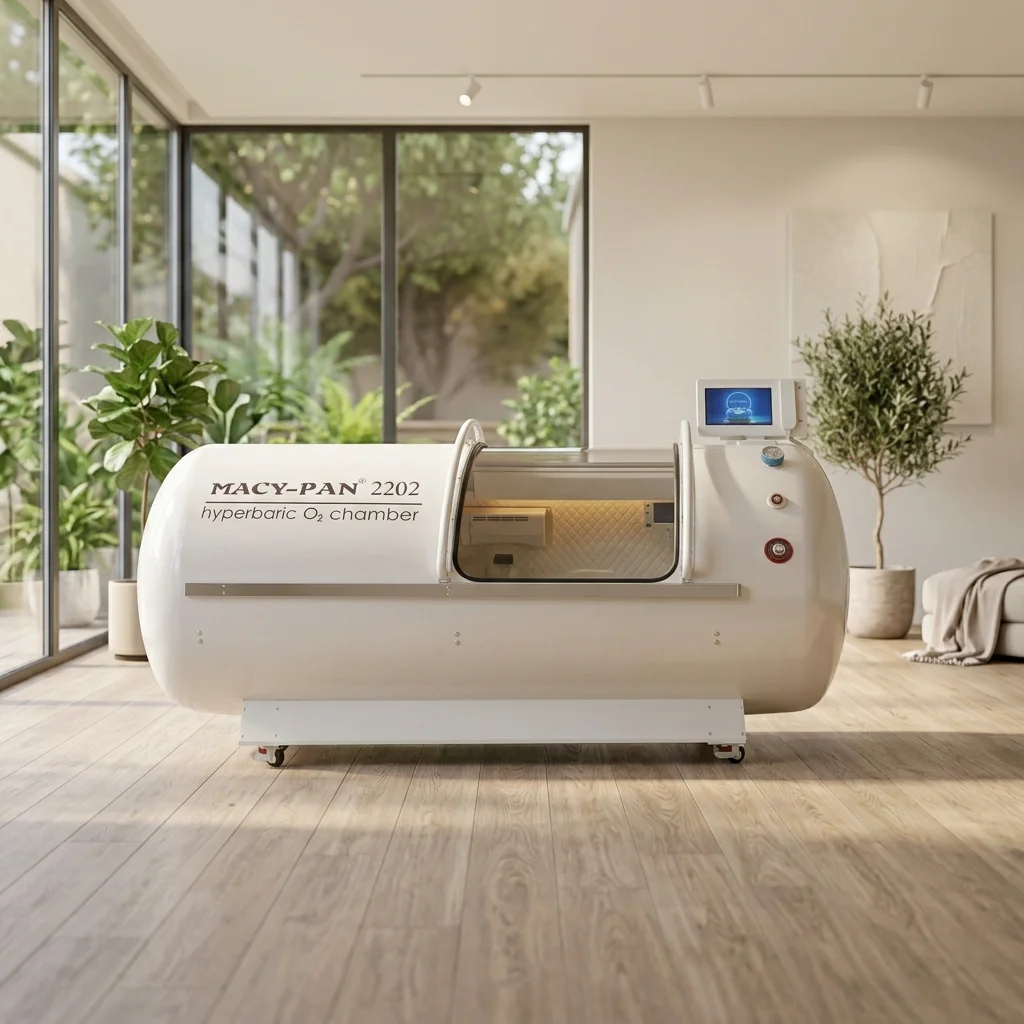
What cellular and molecular mechanisms contribute to the potential neurological and cognitive effects of HBOT?
A growing number of studies using animal models of brain injury and neurological disorders have provided insights into how hyperbaric oxygen therapy may influence cognitive function.
These effects are not caused by a single biological pathway. Instead, HBOT appears to work through multiple mechanisms, including:
- Supporting mitochondrial function
- Promoting neurogenesis and angiogenesis
- Reducing neuroinflammation
- Enhancing antioxidant defense
- Protecting neurons from damage
- Regulating cellular repair processes
Together, these mechanisms may contribute to improved brain resilience and cognitive performance.
1. Mitochondrial Function
Mitochondria consume approximately 85% to 90% of the oxygen used by the body and are the primary source of adenosine triphosphate (ATP), the main energy source required for cellular activity.
Because the brain has extremely high energy demands, mitochondrial function is considered one of the important targets of hyperbaric oxygen therapy.
Research suggests that HBOT may influence brain cells by improving mitochondrial activity and supporting cellular energy production.
A human neuroprotective mitochondrial-derived peptide was found to increase in patients with vascular dementia after HBOT, suggesting that mitochondrial regulation may play an important role in the effects of hyperbaric oxygen therapy.
Recent studies have also suggested that HBOT may promote mitochondrial transfer between brain cells. In experimental models, HBOT encouraged the transfer of mitochondria from astrocytes (supporting brain cells) to neurons, helping neurons become more resistant to inflammatory stress.
This mitochondrial interaction between different brain cell types may contribute to neurological recovery and help explain some of the mechanisms behind HBOT.
2. Neurogenesis and Angiogenesis
Another possible mechanism behind the cognitive effects of HBOT is the stimulation of stem cell activity and neural regeneration.
Over the past two decades, increasing evidence has shown that hyperbaric oxygen therapy may promote neural cell growth and activity.
In an early study involving newborn rats with hypoxic-ischemic brain injury, HBOT promoted the development of endogenous neural stem cells.
Researchers found that HBOT improved spatial learning and memory ability in these animals, which was associated with increased activity in hippocampal neurons.
The hippocampus plays an important role in learning and memory, making it a key area of interest in cognitive impairment research.
In addition to supporting neurogenesis, HBOT may also promote angiogenesis, the formation of new blood vessels. Improved blood circulation can help deliver oxygen and nutrients more effectively to brain tissue, supporting normal neural function.
3. Neuroinflammation
Neuroinflammation is considered an important factor involved in many neurological disorders.
Following traumatic brain injury, stroke, or oxygen deprivation-related brain damage, excessive inflammatory responses may contribute to neuronal injury, cell death, and cognitive decline.
Research suggests that HBOT may help regulate neuroinflammatory responses.
In animal models of traumatic brain injury, hyperbaric oxygen therapy has been shown to reduce neuroinflammation and increase levels of anti-inflammatory cytokines, including interleukin-10 (IL-10).
By helping regulate inflammatory processes, HBOT may create a more supportive environment for brain recovery and neurological function.
4. Neuroprotection, Antioxidant Defense, and Anti-Apoptotic Effects
Hyperbaric oxygen preconditioning has been shown to promote tolerance against cerebral ischemia, a process that is partly associated with increased activity of SIRT1.
SIRT1 is a class III histone deacetylase involved in cellular protection, metabolism regulation, and neurological health. Research suggests that the neuroprotective effects of HBOT may be related to increased SIRT1 activity.
When SIRT1 activity or expression was reduced through specific inhibitors or gene suppression methods, the protective effects of HBOT were weakened.
Interestingly, resveratrol, a known SIRT1 activator, has also demonstrated similar neuroprotective effects in research studies.
Studies have shown that hyperbaric oxygen preconditioning may increase the expression of several protective molecules, including:
- SIRT1
- NRF-2
- HO-1
These pathways are associated with antioxidant defense, cellular protection, and improved memory function in different models of cognitive decline.
SIRT1 has also been shown to contribute to recovery after middle cerebral artery occlusion in animal studies, suggesting that it may be one of the mechanisms involved in the potential effects of HBOT in certain cases of ischemic stroke.
Further research using different models of brain injury and neurological disorders may reveal additional mechanisms behind hyperbaric oxygen therapy and help optimize future HBOT protocols.
Overall, current evidence suggests that HBOT may provide multiple neuroprotective effects involving the immune system, nervous system, and vascular system, which may contribute to supporting cognitive function and neurological recovery.
Hyperbaric Oxygen Therapy: A Promising Direction for Cognitive Impairment Research
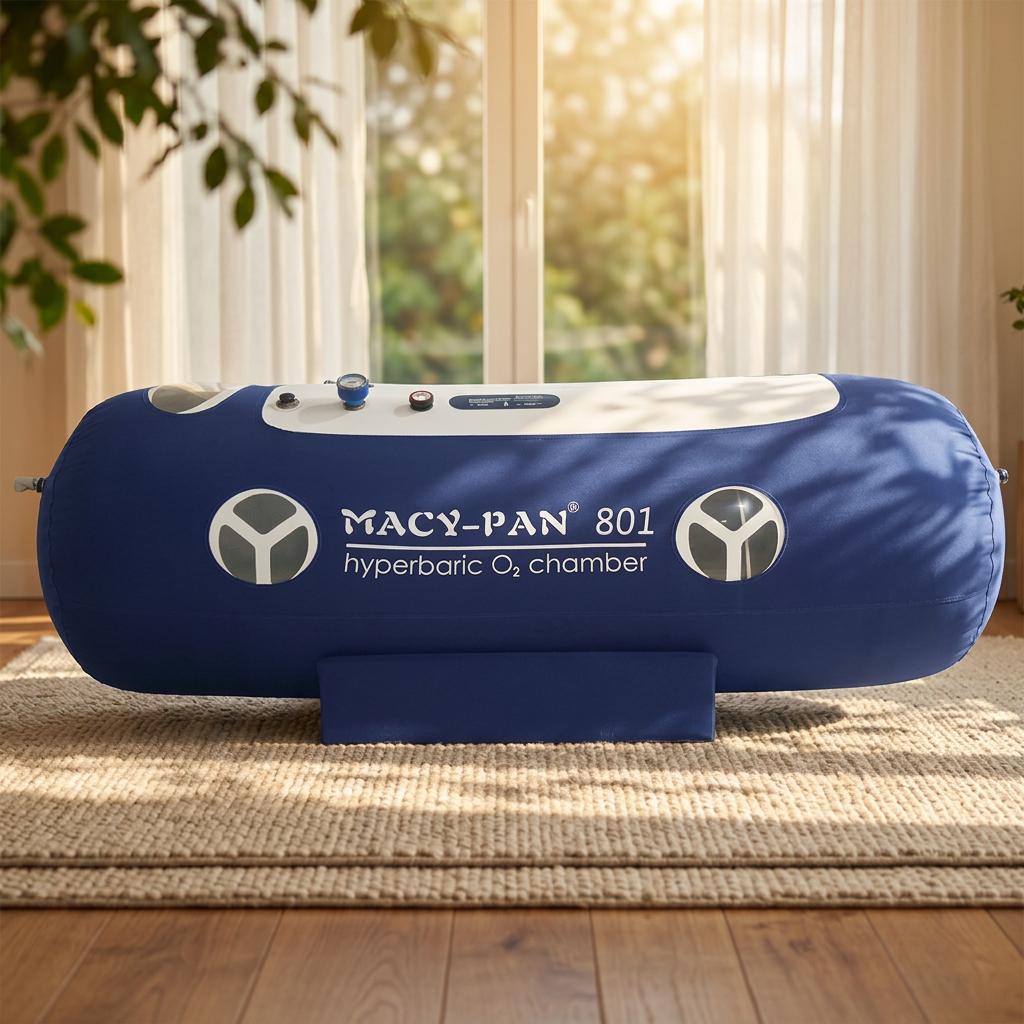
For many years, hyperbaric oxygen therapy has been used to support recovery from various medical conditions and injuries. In recent years, research interest has expanded toward its potential role in brain-related conditions, including cognitive impairment and neurological disorders.
A growing number of clinical studies have investigated the effects of HBOT on brain function. More than 230 clinical trials related to hyperbaric oxygen therapy have been reported, including approximately 50 studies focusing on brain-related injuries and neurological conditions.
Current and future research will continue to provide valuable information about the potential applications of HBOT for cognitive impairment and brain health.
At the same time, laboratory studies will help researchers better understand the biological mechanisms behind HBOT and improve treatment protocols by identifying more suitable:
- Treatment duration
- Session frequency
- Oxygen pressure levels
- Application methods
A better understanding of these factors may help improve outcomes while reducing unnecessary costs, time, and potential risks.
Conclusion
Hyperbaric oxygen therapy is becoming an important area of research in the field of cognitive impairment and neurological health.
By increasing oxygen availability and influencing multiple biological pathways, including mitochondrial function, neuroplasticity, inflammation regulation, and antioxidant defense, HBOT shows potential as a supportive approach for maintaining brain function and supporting neurological recovery.
Although more research is needed to fully understand its long-term effects and optimal applications, current scientific findings suggest that hyperbaric oxygen therapy may represent an exciting direction in the future of brain health research.
Post time: Aug-31-2026