

Hyperbaric Oxygen Therapy (HBOT) is increasingly attracting attention from athletes, wellness practitioners, and longevity researchers around the world. But beyond elite performance and medical theory, what is the real experience like for everyday users?
A recent interview published by Longevity Technology explored the experience of a U.S. senior citizen using HBOT as part of a longevity-focused wellness approach. Her story provides a rare and detailed look into how hyperbaric oxygen therapy feels in real life, along with the scientific rationale behind its growing popularity.
This article explores her personal experience, the perceived benefits, and the scientific mechanisms currently being studied in the field of oxygen-based therapy.
A “Diving-Like” Experience with 10-15x Oxygen Exposure
Patti Finnegan, a resident of Florida, was diagnosed with fibromyalgia more than 20 years ago. This chronic condition is commonly associated with widespread pain, fatigue, and cognitive impairment such as brain fog, and it often becomes more severe with age.
Over time, her condition was further complicated by age-related health decline, including reduced energy levels, memory issues, balance difficulties, and overall physical weakness.
She described her daily experience as deeply limiting:

Eventually, she was introduced to hyperbaric oxygen therapy and began exploring its potential benefits for aging and overall health.
During treatment, she entered an environment pressurized above 1.3 ATA while breathing 100% oxygen. Under these conditions, oxygen delivery to tissues can increase significantly—estimated to be up to 10–15 times higher than normal atmospheric breathing conditions.
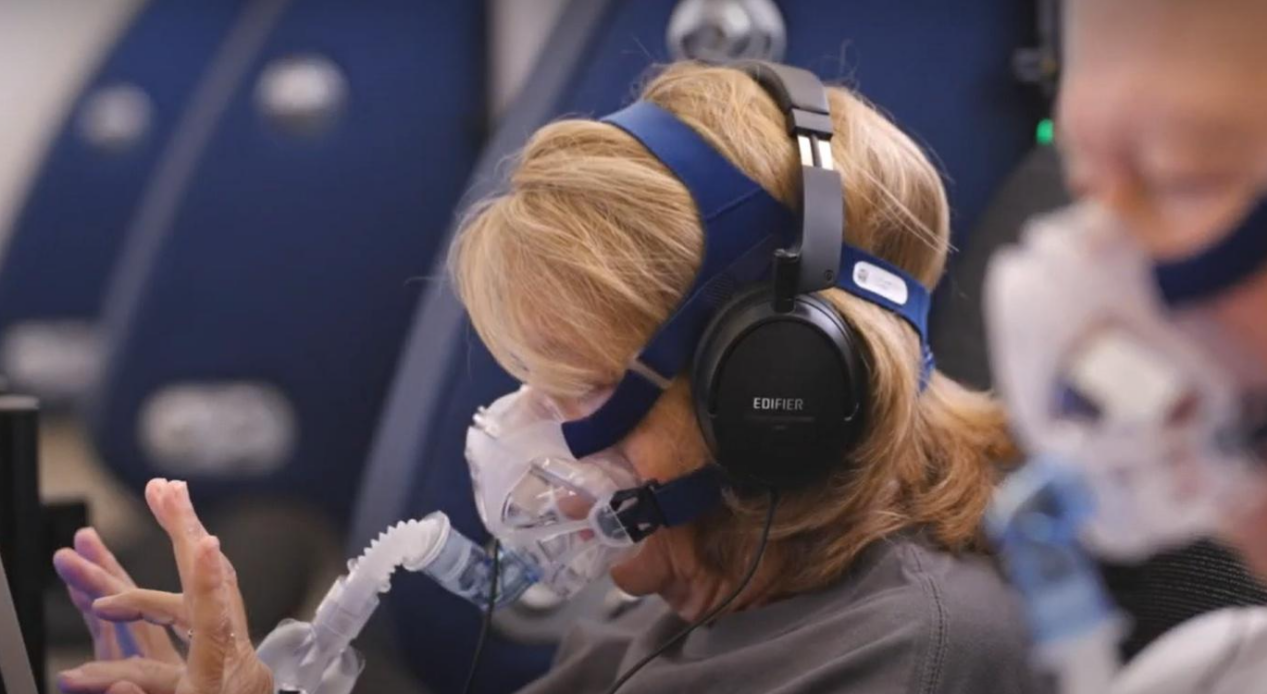
She initially believed HBOT was only used for wound healing or sports injuries. However, she soon discovered that it is also being explored for broader applications in age-related health support and wellness optimization.
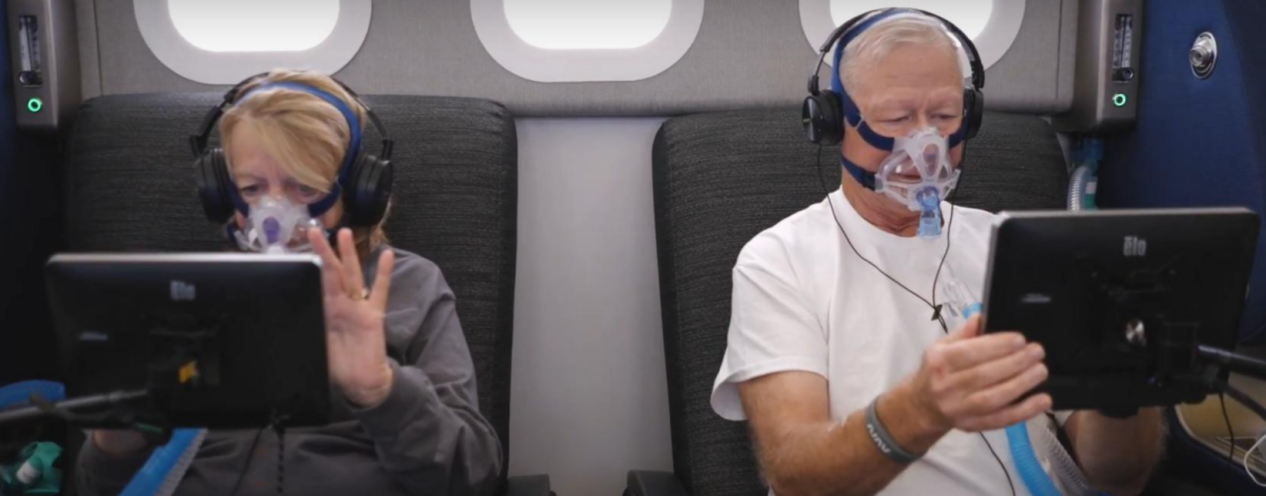
In her treatment center, the experience was designed to be comfortable and relaxing, resembling a “diving-like journey.” Patients sit in a controlled environment while breathing oxygen through a mask or interface.
Some centers even integrate cognitive training tools during sessions, such as tablet-based brain games, allowing users to engage in mental exercises while receiving oxygen therapy.
A Strong Advocate: “I Would Recommend It to Anyone Willing to Listen”
Patti’s HBOT program typically involved:
After completing her therapy cycle, she reported noticeable improvements in both physical and cognitive function.
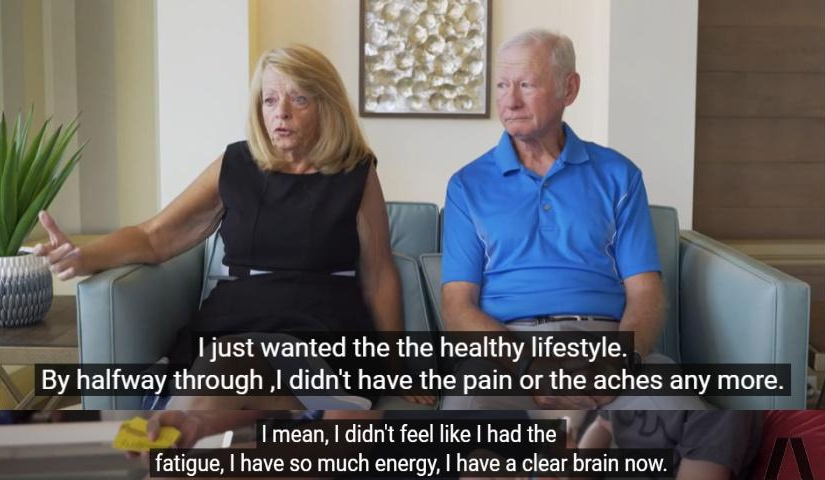
Beyond physical improvements, she also reported emotional benefits. Her anxiety levels decreased, and feelings of depression became less intense compared to her previous condition.
She ultimately became a strong supporter of hyperbaric oxygen therapy and expressed willingness to recommend it to others who are open to exploring it.
Why Scientists Are Studying Hyperbaric Oxygen Therapy for Aging
The growing interest in HBOT is not limited to personal experiences. Researchers are actively investigating how oxygen-based therapy may influence biological aging processes. Several key mechanisms have been proposed in scientific literature:
Improved Angiogenesis (Blood Vessel Formation)
One hallmark of aging is the decline in vascular health and reduced capillary density, which leads to lower oxygen delivery throughout the body.
Studies suggest that controlled oxygen exposure may stimulate angiogenesis in a dose-dependent manner, potentially supporting vascular maintenance and tissue oxygenation.
Immune System Modulation
Chronic inflammation is widely recognized as a key driver of age-related dysfunction.
At the cellular level, HBOT has been shown in experimental settings to influence immune cell behavior. For example, exposure to hyperbaric oxygen conditions may enhance the apoptosis (programmed death) of certain inflammatory cells, contributing to the resolution of inflammation.
Enhanced Antioxidant Defense
Although oxygen is associated with reactive oxygen species (ROS), controlled and intermittent HBOT may stimulate adaptive protective mechanisms in the body.
These include improved mitochondrial function, increased production of antioxidant enzymes, and activation of gene pathways related to oxidative stress resistance.
Reduction of Cellular Senescence Markers
Cellular aging is often measured using biomarkers such as p16, and p21.
Experimental studies in animal models have shown that HBOT may reduce the expression of these aging-associated markers, suggesting a potential role in slowing cellular senescence processes.
Stem Cell Activation and Regeneration
Another area of interest is the effect of HBOT on stem cell behavior.
Research indicates that hyperbaric oxygen exposure may promote the mobilization of stem and progenitor cells from bone marrow, supporting tissue repair and regeneration processes. Mesenchymal stem cells may also respond to oxygen-rich environments, potentially contributing to neuroprotective and regenerative effects.
The Bigger Picture: Oxygen, Aging, and Longevity
Taken together, current research suggests that hyperbaric oxygen therapy may influence multiple biological systems involved in aging and recovery, including vascular health, immune regulation, oxidative balance, cellular senescence, and regenerative capacity.
However, scientists also emphasize that oxygen biology is complex. The relationship between oxygen levels, oxidative stress, and longevity is not linear.
Interestingly, both high-oxygen (hyperoxic) and low-oxygen (hypoxic) environments are being studied for their potential role in health optimization, suggesting that oxygen balance may be a key factor in future longevity strategies.
Final Thoughts
Hyperbaric oxygen therapy continues to gain attention not only as a recovery tool but also as a potential component of broader longevity and wellness strategies.
Real-world experiences, such as Patti’s story, combined with ongoing scientific research, suggest that HBOT may offer meaningful benefits for recovery, cognitive clarity, and quality of life.
As research expands, oxygen-based therapies may become more integrated into mainstream health and longevity approaches.
Powered by MACY-PAN Hyperbaric Oxygen Chambers
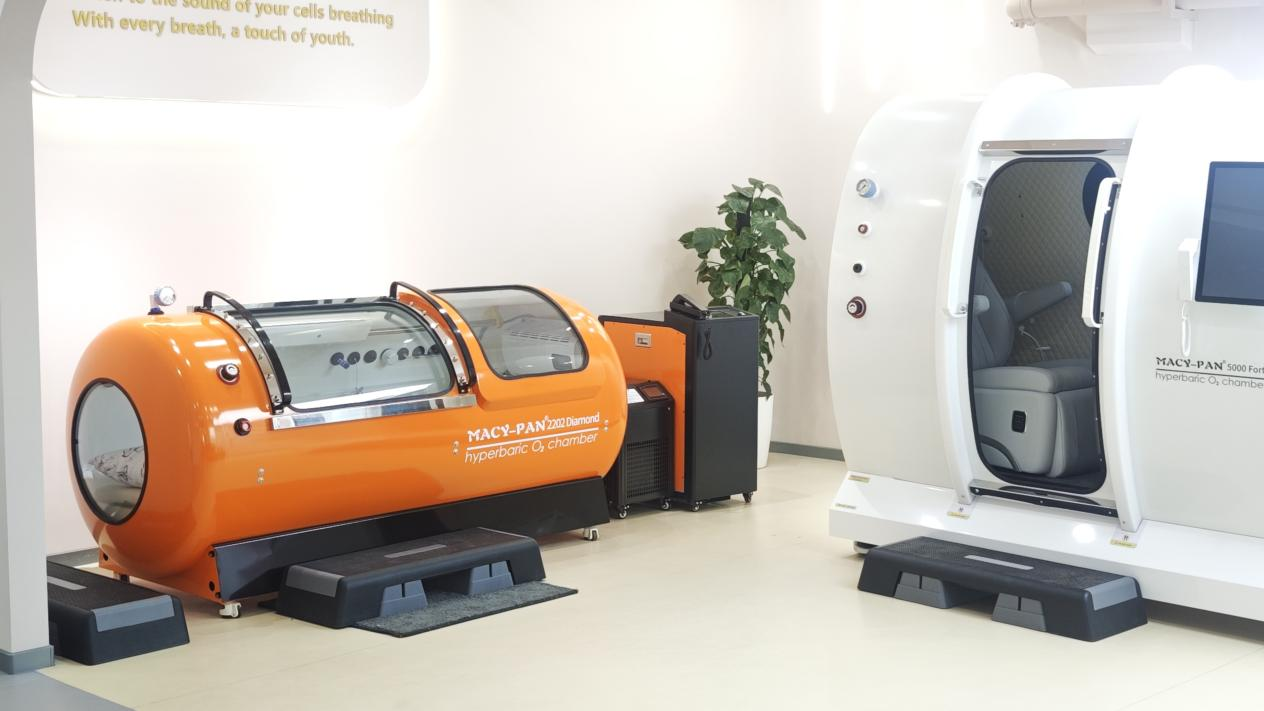
As interest in oxygen-based wellness continues to grow, advanced systems are becoming more widely accessible.
Macy-Pan provides a full range of hyperbaric oxygen chambers designed for professional, clinical, and home-use applications.
These systems are widely used for:
With stable engineering performance, safety-focused design, and user-friendly operation, MACY-PAN chambers are helping make hyperbaric oxygen therapy more accessible to a broader audience.
Post time: Jul-16-2026