

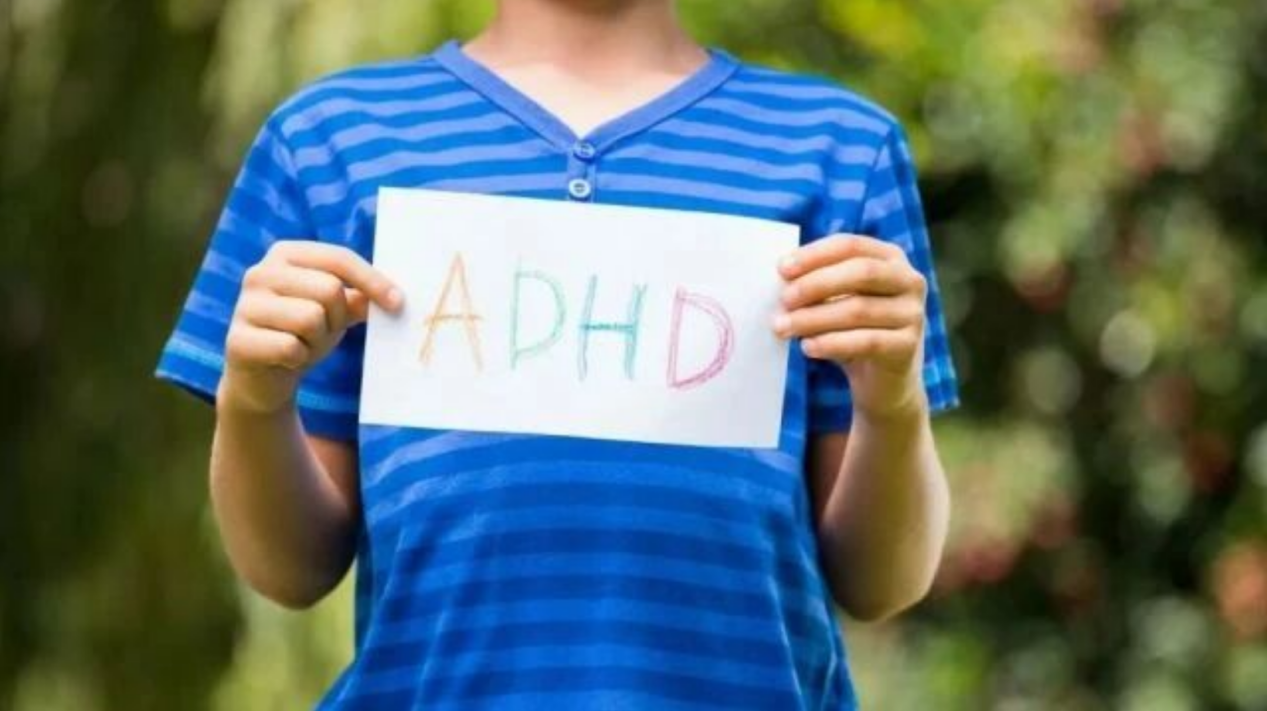
Attention Deficit Hyperactivity Disorder (ADHD) is one of the most common neurodevelopmental conditions affecting children. It is mainly characterized by difficulties with attention regulation, hyperactivity, and impulsive behavior.
Although ADHD is often recognized through behavioral symptoms, its underlying mechanisms are complex and involve multiple biological factors, including brain network function, neurotransmitter regulation, mitochondrial energy metabolism, oxidative stress, and the gut-brain connection.
Traditional ADHD management may include behavioral therapy, educational support, lifestyle adjustments, and medication when recommended by healthcare professionals. In recent years, researchers have also explored complementary approaches that focus on supporting brain function at the cellular level.
Hyperbaric Oxygen Therapy (HBOT) and PQQ (Pyrroloquinoline Quinone) have gained attention because of their potential roles in oxygen utilization, mitochondrial support, antioxidant protection, and overall neurological health.
While more clinical studies are needed to understand their specific effects on ADHD, the combination of HBOT and PQQ provides an interesting perspective on supporting brain energy metabolism and cognitive function.
How Hyperbaric Oxygen Therapy May Support ADHD-Related Brain Function
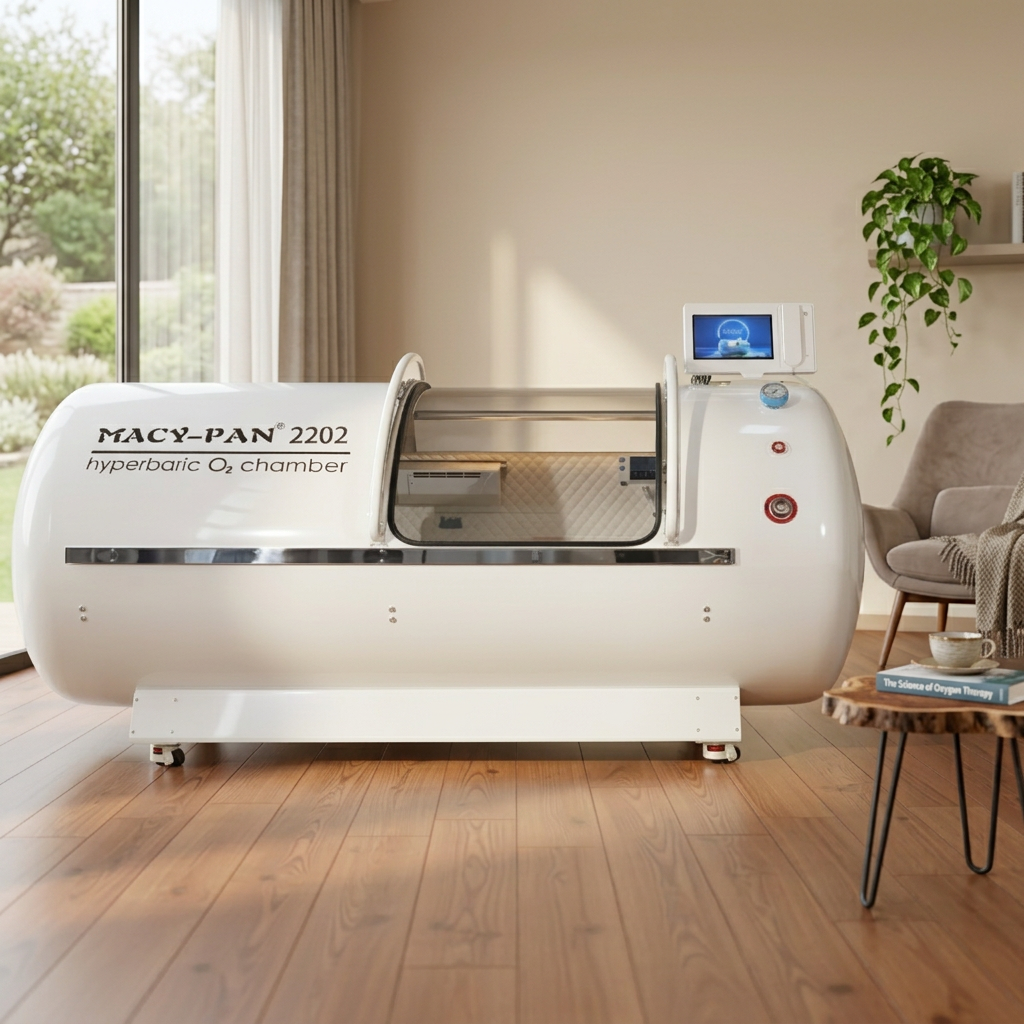
What Is Hyperbaric Oxygen Therapy?
Hyperbaric Oxygen Therapy involves breathing oxygen in an environment with slightly increased atmospheric pressure.
Under increased pressure, more oxygen can dissolve into body fluids, allowing oxygen to be delivered more efficiently to tissues.
Because the brain has extremely high energy demands, maintaining sufficient oxygen availability is essential for:
- Neuronal communication
- Energy production
- Cognitive performance
- Brain adaptability
By improving oxygen availability, HBOT may support several biological processes related to brain health.
1. Supporting Prefrontal Cortex Function
The prefrontal cortex is one of the most important brain regions involved in:
- Attention control
- Decision-making
- Impulse regulation
- Emotional management
Many studies have identified differences in prefrontal cortex activity and connectivity in individuals with ADHD.
HBOT may support this brain region by:
Improving Oxygen Supply
Increased oxygen availability may help neurons produce energy more efficiently through mitochondrial metabolism.
Adequate energy is essential for:
- Maintaining neural communication
- Supporting concentration
- Processing information effectively
Supporting Neuroplasticity
Neuroplasticity refers to the brain’s ability to adapt, reorganize, and form new connections.
HBOT has been studied for its potential influence on biological factors related to brain repair and adaptation, including pathways associated with growth factors such as BDNF (brain-derived neurotrophic factor).
Supporting neuroplasticity may help maintain healthier neural networks involved in learning and attention.
2. Supporting Neurotransmitter Balance
ADHD is closely associated with the function of neurotransmitter systems, especially:
- Dopamine (DA)
- Norepinephrine (NE)
These chemical messengers play important roles in:
- Focus
- Motivation
- Alertness
- Behavioral control
HBOT may support neurotransmitter activity indirectly by improving:
- Brain oxygen availability
- Cellular energy production
- Neuronal metabolism
Since neurotransmitter synthesis and signaling require significant energy, better mitochondrial function may create a more supportive environment for healthy brain communication.
3. Supporting Oxidative Balance and Brain Protection
The brain consumes a large amount of oxygen, which makes it sensitive to oxidative stress.
Oxidative stress occurs when reactive oxygen species (ROS) exceed the body’s ability to regulate them.
Research has suggested that oxidative imbalance may be associated with neurological function and cognitive health.
Controlled oxygen exposure through HBOT may stimulate the body’s natural protective mechanisms, including antioxidant responses.
Potential effects include:
- Supporting antioxidant enzyme activity
- Maintaining mitochondrial health
- Helping regulate inflammatory responses
These processes may contribute to a healthier environment for brain cells.
4. Supporting the Gut-Brain Connection
The gut and brain communicate continuously through the gut-brain axis, involving:
- The vagus nerve
- Immune signaling
- Microbial metabolites
Research increasingly suggests that gut health may influence brain function, mood, and cognitive performance.
HBOT may support intestinal health by:
- Improving circulation
- Supporting tissue oxygenation
- Helping maintain normal barrier function
A healthier gut environment may contribute to better communication between the digestive system and the brain.
How PQQ May Support Brain Health and ADHD-Related Functions
What Is PQQ?
PQQ (Pyrroloquinoline Quinone) is a naturally occurring compound found in certain foods and microorganisms.
It has attracted scientific interest because of its potential effects on:
- Mitochondrial function
- Cellular energy production
- Antioxidant defense
- Neural protection
Because brain cells require large amounts of energy, compounds that support mitochondrial health are becoming an important area of neurological research.
1. Supporting Mitochondrial Energy Production
Mitochondria are often called the “powerhouses” of cells because they produce ATP, the main energy source required for cellular activity.
Neurons depend heavily on mitochondrial energy for:
- Neurotransmitter production
- Signal transmission
- Learning processes
- Memory formation
PQQ has been studied for its potential ability to support mitochondrial biogenesis, which is the process of creating new mitochondria.
By supporting mitochondrial efficiency, PQQ may help maintain healthier energy metabolism within brain cells.
2. Antioxidant and Cellular Protection
PQQ has strong antioxidant properties and may help cells manage oxidative stress.
Potential mechanisms include:
- Supporting natural antioxidant pathways
- Protecting mitochondrial structures
- Maintaining cellular stability
Healthy antioxidant balance is important because excessive oxidative stress may affect neuronal communication and overall brain function.
3. Supporting Neurotransmitter Function
Neurotransmitter activity depends on efficient cellular metabolism.
PQQ may indirectly support dopamine-related pathways by helping maintain:
- Healthy mitochondrial activity
- Neuronal energy production
- Cellular signaling processes
This may contribute to improved cognitive performance and balanced brain function.
4. Supporting the Gut-Brain Axis
The gut microbiome plays an important role in communication between the digestive system and the brain.
PQQ has been studied for its potential role in supporting:
- Intestinal barrier health
- Microbial balance
- Cellular antioxidant protection
A healthier gut environment may support overall neurological well-being through immune and metabolic pathways.
The Potential Synergy Between HBOT and PQQ
Although research on combining HBOT and PQQ specifically for ADHD is still limited, their biological mechanisms suggest several complementary effects.
The concept can be summarized as:
1. Supporting Brain Energy Metabolism
HBOT improves oxygen availability, providing more oxygen for cellular processes.
PQQ supports mitochondrial function, helping cells use oxygen more efficiently.
Together, they may support:
- ATP production
- Neuronal communication
- Brain energy balance
Since attention and cognitive control require continuous energy supply, supporting cellular metabolism may be beneficial for overall brain performance.
2. Combined Antioxidant Support
HBOT may stimulate the body’s adaptive antioxidant responses.
PQQ provides additional antioxidant support at the cellular level.
Together, they may help:
- Maintain oxidative balance
- Protect mitochondrial function
- Support healthy neuronal activity
3. Supporting Brain Communication
Healthy brain function depends on effective communication between different regions.
By supporting:
- Oxygen delivery
- Cellular energy
- Neurotransmitter pathways
HBOT and PQQ may contribute to an environment that supports:
- Attention regulation
- Cognitive flexibility
- Emotional balance
4. Supporting Gut-Brain Communication
Both oxygen therapy and nutritional strategies have been studied for their potential effects on gut health.
Their combined support may contribute to:
- Better intestinal barrier function
- Balanced immune responses
- Healthier communication between gut and brain
Because the gut-brain axis influences neurological function, maintaining gut health may be an important part of overall wellness.
Potential Benefits, Safety Considerations, and Conclusion
Potential Support for ADHD-Related Challenges
Based on current scientific understanding, HBOT combined with PQQ may potentially support several areas related to ADHD.
Attention and Focus
Possible mechanisms include:
- Supporting oxygen delivery to brain tissue
- Improving cellular energy production
- Supporting neurotransmitter function
- Maintaining healthy prefrontal cortex activity
Behavioral Regulation
The prefrontal cortex plays an important role in controlling impulses and regulating behavior.
Supporting healthy brain communication may contribute to better self-regulation and cognitive control.
Overall Brain Wellness
Through effects on:
- Mitochondrial function
- Oxidative balance
- Gut-brain communication
HBOT and PQQ may provide supportive benefits for overall neurological health.
Safety Considerations and Research Limitations
Although HBOT and PQQ are promising areas of research, several points should be considered.
ADHD Is a Complex Condition
ADHD involves multiple factors, including:
- Genetics
- Brain development
- Environment
- Lifestyle
Different individuals may respond differently to supportive strategies.
More Clinical Research Is Needed
Current research on:
- HBOT and ADHD
- PQQ and ADHD
- Their combined effects
is still developing.
More large-scale clinical studies are needed to better understand effectiveness, dosage, and long-term outcomes.
Should Be Used as a Supportive Approach
HBOT and PQQ should not replace established ADHD management approaches.
They may be considered as part of a broader wellness strategy alongside:
- Behavioral support
- Healthy lifestyle habits
- Professional medical guidance
Conclusion

ADHD is a complex condition involving brain function, energy metabolism, neurotransmitter regulation, oxidative balance, and gut-brain communication.
Mild Hyperbaric Oxygen Therapy and PQQ represent two emerging approaches that focus on supporting the body’s natural biological processes.
By improving oxygen availability, supporting mitochondrial function, and maintaining cellular balance, this combination may provide a potential supportive strategy for brain health and cognitive wellness.
As research continues, future studies will help clarify how these approaches may contribute to comprehensive ADHD support.
Post time: Aug-12-2026