

In contemporary life, insomnia and anxiety have become ubiquitous “psychosomatic issues.” The overwhelming pressures of modern existence such as late nights and constant worry have left many grappling with sleep disturbances. Symptoms like racing thoughts while lying in bed, frequent awakenings at night, vivid dreams, and waking up tired can trap individuals in a vicious cycle of anxiety and insomnia. Many attribute these problems to stress, prolonged phone use, or irregular routines, often resorting to foot baths, meditation, sleep-inducing teas, or even sleeping pills, yet they find no lasting relief.
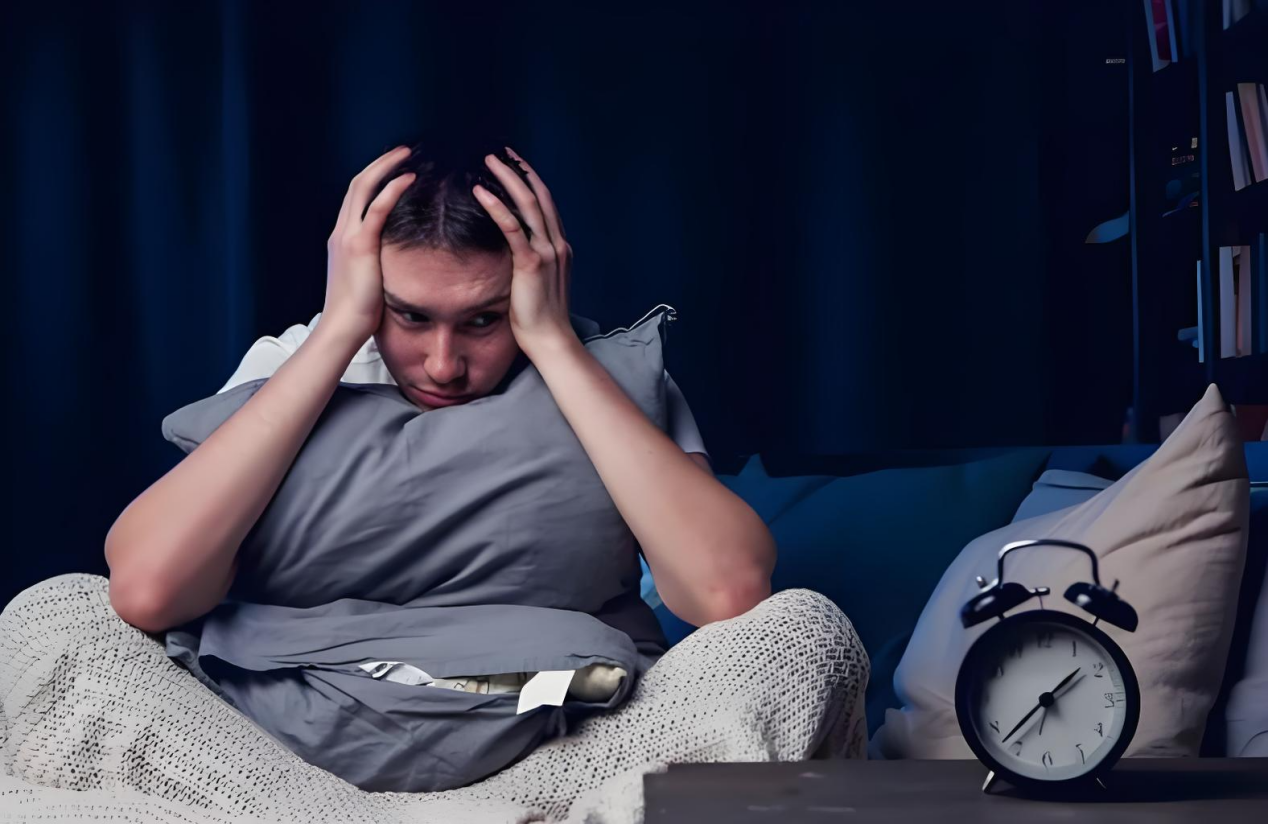
At the core of chronic anxiety and persistent insomnia lies an often-overlooked issue: chronic cerebral hypoxia and disrupted neural function. Hyperbaric oxygen therapy targets this fundamental problem, offering a green, physical method to recalibrate the mind and body at the cellular level, thus breaking the sleep-anxiety cycle for those plagued by sleep disturbances.
Understanding the Link Between Anxiety and Insomnia
Our sleep patterns and emotional states are finely regulated by the brain’s nervous system. Factors such as long-term stress, late nights, emotional strain, and sedentary lifestyles can result in a brain that is perpetually overworked and chronically deprived of oxygen.
On one hand, brain hypoxia can lead to metabolic disruption in brain cells, prompting an overproduction of neurotransmitters responsible for excitement. Consequently, even when physically fatigued, the mind remains tense, leading to difficulties falling asleep, restless dreams, and premature awakenings.
On the other hand, prolonged neural excitation disrupts the balance of the autonomic nervous system, with the sympathetic nervous system being overstimulated and the parasympathetic nervous system failing to facilitate relaxation and repair. This can manifest as feelings of nervousness, restlessness, excessive worry, and tension. Over time, this creates a detrimental feedback loop: stress causes brain hypoxia, which leads to neural disruption and anxiety, resulting in a drop in sleep quality, further intensifying both hypoxia and anxiety.
Traditional sleep aid methods typically only “force calmness” without addressing the underlying issues of brain hypoxia and neural imbalance, leading to repeated cycles and limited effectiveness. Chronic sleep disorders can disrupt melatonin secretion and biological rhythms, transforming occasional insomnia into persistent sleep problems. Hyperbaric oxygen therapy, a safe and gentle treatment, improves oxygen delivery to the brain, directly addressing hypoxic insomnia and poor sleep quality, establishing itself as a modern health method for restoring sleep.
The Science Behind Hyperbaric Oxygen Therapy for Treating Insomnia and Anxiety
Unlike sleep medications or supplements such as melatonin, hyperbaric oxygen therapy does not forcibly sedate or depend on drugs. It physically rehabilitates the brain by oxygenating it, zoning into the root of the issues. The therapy occurs in a closed hyperbaric environment, allowing patients to inhale high concentrations of pure oxygen, which breaks through the limitations of ordinary breathing.

Here’s how hyperbaric oxygen therapy works to combat insomnia and anxiety:
Who Benefits from Hyperbaric Oxygen Therapy?
Hyperbaric oxygen therapy is a safe and gentle physical treatment that is non-addictive and devoid of side effects, making it suitable for most individuals facing chronic sleep and emotional issues. It is particularly beneficial for:
Medical Hyperbaric Oxygen vs. Micro-Hyperbaric Oxygen Therapy
Concerns about the pressure and possible side effects of hyperbaric oxygen therapy are common. However, the therapy utilized for sleep and anxiety management is mild hyperbaric oxygen therapy, which differs significantly from medical hyperbaric treatments.
Common Questions About Hyperbaric Oxygen Therapy for Anxiety and Insomnia
1. Will There Be Dependency?
No, hyperbaric oxygen therapy relies purely on physical repair methods and does not include addictive substances. It promotes natural sleep capabilities without risk of withdrawal.
2. Is the Process Uncomfortable?
The treatment environment is designed to be comfortable and safe. Most individuals find themselves relaxed enough to fall asleep during the procedure.
3. When Can I Expect Results?
Results can vary: for mild insomnia and anxiety, users may feel improvements after 3-5 sessions. More chronic issues typically require a commitment of 10-15 sessions for significant enhancements in sleep quality.
Conclusion: Quality Sleep for a Better Mood Through Oxygen Therapy
Insomnia and anxiety are not merely indicators of poor mindset or excessive thinking; they often signal deeper imbalances in physical and mental functions, primarily brain hypoxia. Hyperbaric oxygen therapy stands out as a superior option compared to conventional pharmaceutical interventions, thanks to its safety, gentleness, and non-reliance nature. It encourages natural sleep without forcing it and does not depend on drugs to achieve results. By scientifically replenishing oxygen and adjusting nerve functions, it provides a pathway back to restful sleep, alleviating emotional turmoil, and returning vitality to individuals seeking peace in their minds and bodies.

Insomnia and anxiety are not merely indicators of poor mindset or excessive thinking; they often signal deeper imbalances in physical and mental functions, primarily brain hypoxia. Hyperbaric oxygen therapy stands out as a superior option compared to conventional pharmaceutical interventions, thanks to its safety, gentleness, and non-reliance nature. It encourages natural sleep without forcing it and does not depend on drugs to achieve results. By scientifically replenishing oxygen and adjusting nerve functions, it provides a pathway back to restful sleep, alleviating emotional turmoil, and returning vitality to individuals seeking peace in their minds and bodies.
In addition to therapies like hyperbaric oxygen, establishing positive lifestyle habits plays a crucial role in enhancing sleep quality and reducing anxiety. Maintaining a consistent sleep schedule by going to bed and waking up at the same time every day can help regulate your body’s internal clock. Creating a bedtime routine that includes relaxation techniques such as meditation or deep-breathing exercises can also be beneficial. It’s paramount to limit screen time before bed, as blue light emitted by devices can interfere with your ability to fall asleep.
Furthermore, engaging in regular physical exercise during the day can lead to deeper and more restorative sleep at night; however, it’s advisable to avoid vigorous workouts close to bedtime. Your diet also influences sleep; therefore, opt for light evening meals while steering clear of caffeine and alcohol in the hours leading up to sleep. Creating a comfortable sleep environment by keeping your bedroom dark, quiet, and cool will further enhance your chances of achieving quality sleep.
Lastly, consider practicing mindfulness or yoga, as these activities can help to reduce anxiety levels and promote a sense of calm. Integrating these habits into your daily routine can significantly improve your overall well-being and aid in conquering insomnia and anxiety naturally. Remember, a holistic approach that combines therapy with healthy lifestyle choices can pave the way to a more peaceful mind and restful nights.
Post time: Aug-11-2026