

Hyperbaric oxygen therapy (HBOT) is widely recognized as a vital treatment for ischemic and hypoxic diseases, as well as an exceptional method of health care. This innovative therapy involves supplying the body with oxygen under increased atmospheric pressure, thereby enhancing overall health.
The Multifaceted Benefits of Hyperbaric Oxygen Therapy
1. Alleviating Fatigue, Enhancing Intelligence, and Work Efficiency
The human brain consumes approximately 20% of the oxygen in the body and is particularly sensitive to oxygen deprivation. Insufficient oxygen supply can lead to fatigue syndromes characterized by exhaustion, dizziness, insomnia, decreased memory, and lack of appetite. However, oxygen therapy can significantly alleviate these symptoms, leading to improved cognitive function and work performance.
2. Bolstering Immune Function and Disease Prevention
Oxygen intake not only boosts cell metabolism but also enhances the function of various organs, improving overall immunity. This therapy has shown remarkable results in preventing and treating common ailments such as cerebral ischemia, cerebrovascular incidents, coronary heart disease, and neuroasthenia.
3. Aiding in Beauty and Skin Health
One of the lesser-known benefits of hyperbaric oxygen therapy is its ability to rejuvenate the skin. Increased oxygen enhances cellular metabolism, improving skin nutrition[ https://onlinelibrary.wiley.com/doi/abs/10.1111/srt.12803] and elasticity while reducing wrinkles. It can also decrease melanin deposition, lighten dark spots, and stimulate hair follicles, promoting hair growth and preventing hair loss.
4. Preventing Age-Related Illnesses
As individuals age, vascular elasticity diminishes, and lung function declines, leading to reduced arterial oxygen pressure. Regular oxygen therapy can notably enhance this pressure, thereby preventing various age-related diseases[ https://www.frontiersin.org/journals/aging/articles/10.3389/fragi.2021.678543/full].
5. Improving Sub-Health Conditions
In modern society, many individuals suffer from sub-health states characterized by low mood, irritability, insomnia, fatigue, and recurrent colds. Medical experts estimate that roughly 60% of the population experiences sub-health conditions, with the percentage even higher among younger intellectuals (approximately 78%). Hyperbaric oxygen therapy has proven effective in ameliorating these symptoms.
Suitable Candidates for Hyperbaric Oxygen Therapy

1. Women: For Beauty and Skin Care
Women can benefit from oxygen therapy as a natural way to rejuvenate and alleviate fatigue, enhancing energy levels and maintaining youthful vitality.
2. Alcohol Consumers: Quick Recovery from Hangovers
Oxygen therapy has been shown to relieve discomfort in intoxicated individuals, expediting their recovery and return to clarity.

3. Students: Improving Learning Ability
Research indicates that a lack of oxygen can impair memory and cognitive function in students. Supplementing oxygen can quickly restore blood oxygen levels and enhance learning capacities.

4. White-collar Workers: Boosting Efficiency and Alleviating Stress
Many office workers experience poor air quality due to closed environments, leading to serious oxygen deficiencies. Regular oxygen supplementation is crucial for enhancing productivity and reducing stress levels.

5. Middle-aged and Elderly Individuals: Promoting Longevity
With age-related physiological declines, regular oxygen therapy can help maintain organ function and stave off numerous age-related illnesses, ultimately promoting a healthier and longer life.

With age, individuals often experience chronic hypoxic symptoms such as fatigue, dizziness, and poor circulation. Regular hyperbaric oxygen therapy can significantly improve the amount of dissolved oxygen in the blood, thus enhancing overall health conditions and aiding in the prevention of chronic diseases.
Understanding Hyperbaric Oxygen Chambers
What Is a Hyperbaric Oxygen Chamber?
A hyperbaric oxygen chamber is a sealed environment where air pressure is increased and can be categorized into medical and civil micro-pressure chambers:
Medical Hyperbaric Chambers
Classified as Class III medical devices by the health authority and are strictly regulated and operated by qualified personnel in medical facilities. They are used primarily for clinical interventions.
Civil Independent Micro-pressure Chambers
Designed for general health maintenance, these chambers operate at more moderate pressures and aim to address sub-health conditions in the healthy population.
In simple terms, these chambers create a high-pressure environment that allows individuals to breathe concentrated oxygen, significantly enhancing overall oxygen supply a sophisticated method in the modern oxygen therapy spectrum.
The Evolution of Hyperbaric Oxygen Therapy
The exploration of hyperbaric oxygen therapy spans over 300 years, with significant milestones marking its journey:
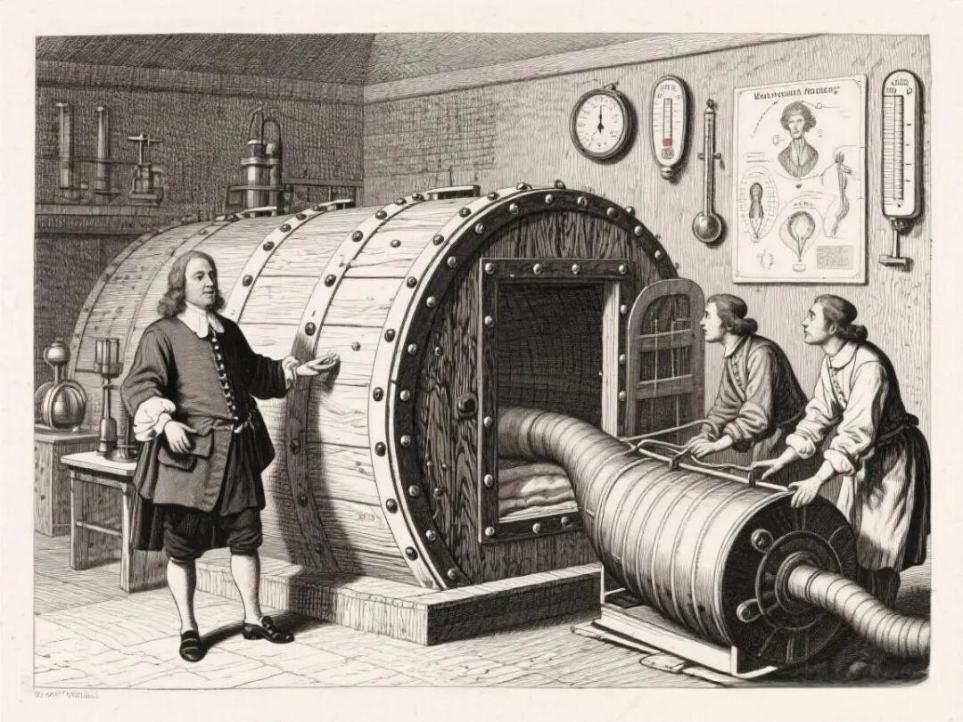
In 1622
British scholars constructed the first pressure chamber, sparking foundational interest in pressure and oxygen delivery.
The 19th Century
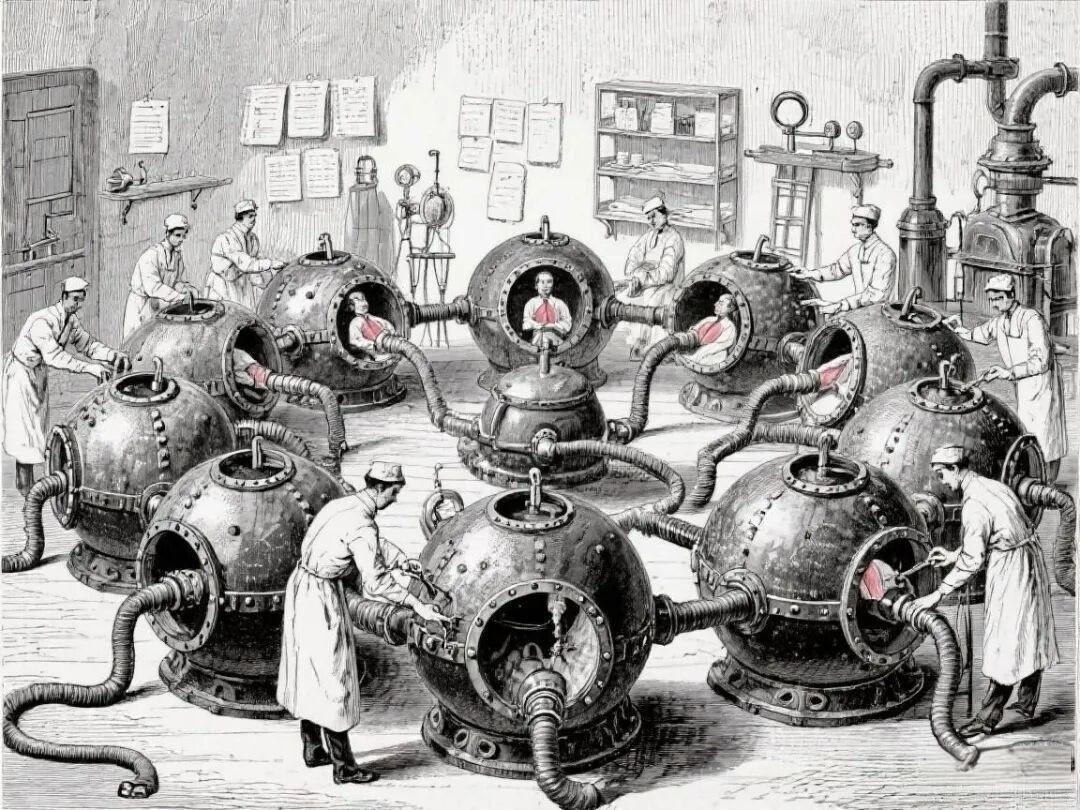
The large-scale construction of compression chambers in Europe for lung ailments.
Medical Usage in 1956
Medical usage began in earnest in 1956 when Dutch physicians demonstrated its efficacy in cardiac surgery.
Over Recent Years
Over recent years, the focus has shifted from merely treating illnesses to preventive health care, with the introduction of micro-pressure chambers targeted specifically at enhancing the well-being of everyday individuals.
The Mechanism of Action in Hyperbaric Oxygen Therapy
Under standard atmospheric pressure, the oxygen we breathe is largely carried by hemoglobin in our blood. Hyperbaric therapy significantly increases the solubility of oxygen in plasma. This means that a greater quantity of oxygen can be absorbed and delivered to tissues, greatly benefiting those suffering from various health problems arising from oxygen deficiency.
Applications in Health Care: A Two-Pronged Approach
1. Clinical Applications
- • Treats acute conditions, such as carbon monoxide poisoning and decompression sickness, recognized as the primary intervention.
- • Assists recovery from brain injuries and stroke, promoting faster restoration of bodily functions.
- • Aids in improving blood circulation for distant tissues.
2. Common Health Maintenance
- • Regular treatment can alleviate fatigue caused by mental exertion and improve sleep quality.
- • It improves metabolic processes and accelerates recovery after exercise.
- • Regular oxygen supplementation for seniors can enhance peripheral oxygenation and maintain health.
Medical vs. Independent Hyperbaric Oxygen Chambers
Both types of chambers provide distinct therapeutic benefits:
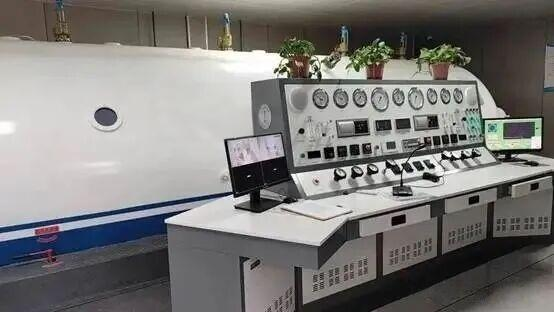
Medical Chambers: Utilized exclusively for treatment and rehabilitation in clinical settings, subject to strict regulatory frameworks.
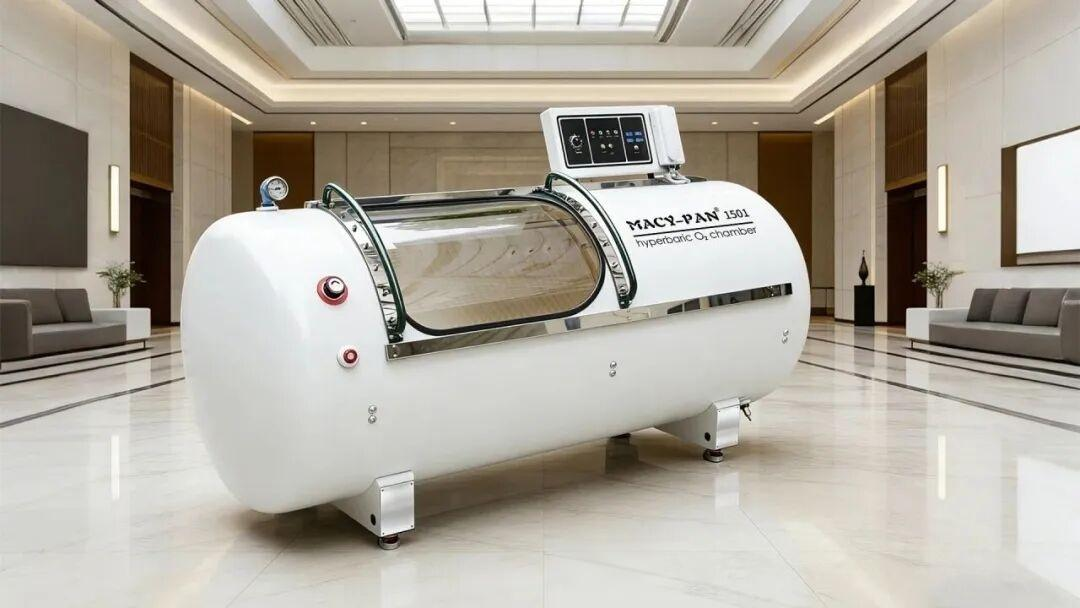
Independent Chambers: Designed for personal health maintenance, they offer a flexible and personalized approach to well-being.
However, in today’s fast-paced society, people face immense internal and external pressures. Factors such as high-intensity work, irregular schedules, and polluted environments have led most people to suffer from varying degrees of oxygen deficiency, being entangled in various sub-healthy conditions. They often feel exhausted, listless, and experience memory decline, yet cannot find obvious causes. At such times, undergoing oxygen therapy at the hospital is often time-consuming and laborious, requiring advance appointments, waiting in line, and spending a lot of time traveling back and forth. Thus, more convenient home hyperbaric oxygen chambers for health and wellness purposes have emerged, allowing people to easily receive oxygen therapy without leaving home, supplementing oxygen for the body anytime and anywhere, and improving sub-healthy conditions.
Home hyperbaric oxygen chambers differ fundamentally from those in hospitals in terms of positioning. Medical hyperbaric oxygen chambers typically operate at a treatment pressure of no less than 2.0 atmospheres and are mainly used for medical scenarios such as carbon monoxide poisoning first aid and brain injury rehabilitation. In contrast, home mild hyperbaric oxygen chambers generally work at pressures between 1.3 and 2.0 atmospheres, focusing on lightweight health management scenarios such as relieving fatigue, improving sleep, promoting microcirculation, and aiding recovery. Health management is shifting from passive treatment to active maintenance and from hospital settings to daily life settings. Traditional oxygen therapy requires going to the hospital to queue, register, change clothes, and enter the chamber, taking at least half a day per session. Home oxygen chambers, placed at home, can start anytime within 60 minutes. You can wear your own clothes, listen to your favorite music, and continue with your tasks after the session. This low-threshold consistency is the true core of health management. The effectiveness of health management never depends on single-session intensity but on long-term persistence. Having a home oxygen chamber in the living room, lying down for an hour when tired, is far more sustainable than specifically going to an institution for an experience.

Home oxygen chambers are evolving from a device into a space. Some use them as a midday nap charging station, others for post-exercise recovery, and some as a nightly relaxation ritual. It is not something that requires setting aside special time but is naturally integrated into the rhythm of daily life.
Conclusion
In summary, hyperbaric oxygen therapy presents an essential tool for enhancing well-being. With its diverse range of applications and benefits, from rejuvenating skin health to slowing down age-related illnesses, it has transformed from a specialized medical solution to a mainstream health maintenance strategy.
Whether one seeks to alleviate fatigue, improve cognitive performance, or enhance overall health, integrating hyperbaric oxygen therapy into a regular health regimen can significantly contribute to a healthier and longer life. As the technology continues to evolve, it brings more accessible options for individuals to enrich their lives actively and thoughtfully.
With these rapid, continuous advancements in both clinical research and related equipment technology, hyperbaric oxygen therapy, a once relatively niche and inaccessible medical and wellness intervention, is steadily setting the stage for a brand-new, proactive approach to personal health management in the fast-developing modern era.It is gradually stepping into more people’s daily lives, becoming an integral part of people’s proactive health management, helping more people get rid of the trouble of sub-health, and supporting everyone to build a healthier and more energetic quality of life.
Post time: Aug-06-2026