


Many people have experienced something similar: after staying up late, feeling exhausted, or being exposed to cold weather, they suddenly notice that one side of their face feels weak the next morning.
Common symptoms may include a drooping corner of the mouth, difficulty closing one eye, liquid leaking while drinking, trouble puffing the cheeks, facial stiffness, or discomfort around the area behind the ear.
This condition is commonly known as facial paralysis, medically referred to as peripheral facial nerve palsy.
When facial paralysis occurs, many people immediately consider medication, acupuncture, or facial rehabilitation exercises. However, one supportive therapy that is often overlooked is Hyperbaric Oxygen Therapy (HBOT).
By increasing oxygen availability in the body, HBOT may help create a better environment for nerve recovery, reduce swelling around the affected nerve, and support the overall rehabilitation process.
So how exactly does hyperbaric oxygen therapy help people recovering from facial paralysis? Let’s take a closer look.
Why Does Facial Paralysis Happen Suddenly?
Many people associate facial paralysis with stroke, but most cases of sudden facial weakness are caused by problems affecting the facial nerve itself.
The facial nerve travels through a narrow bony channel called the facial nerve canal. Because this space is very limited, even slight swelling of the nerve can create pressure and affect normal nerve function.
Several factors may trigger inflammation and swelling of the facial nerve, including:
- Cold exposure
- Viral infections
- Lack of rest and excessive fatigue
- Stress or reduced immune function
When the facial nerve becomes inflamed and swollen, blood circulation around the nerve may decrease. As oxygen supply is reduced, nerve signaling can become impaired, leading to weakness or paralysis of the facial muscles.
In simple terms, facial paralysis is often associated with:
If the nerve remains under pressure and lacks sufficient oxygen for an extended period, recovery may become more challenging and some patients may experience longer-lasting symptoms, such as facial stiffness, involuntary movements, or muscle spasms.
This is where HBOT may provide additional support.

How Does Hyperbaric Oxygen Therapy Work for Facial Paralysis?
Hyperbaric Oxygen Therapy is a treatment in which patients breathe nearly 100% oxygen inside a specially designed chamber under increased atmospheric pressure.
Compared with normal oxygen breathing, HBOT allows more oxygen to dissolve directly into plasma and body fluids. This helps oxygen reach tissues that may have limited blood flow, including areas surrounding injured nerves.
For facial nerve recovery, HBOT may support the healing process in several ways.
1. Helping Reduce Nerve Swelling
One of the major challenges in facial paralysis is swelling of the facial nerve inside a narrow passage.
Under hyperbaric conditions, oxygen therapy may help regulate blood vessel activity and reduce excess fluid accumulation in tissues.
By reducing swelling, pressure on the facial nerve may be relieved, helping interrupt the cycle of:
Creating a healthier environment around the nerve is an important part of the recovery process.
2. Improving Oxygen Supply to Damaged Nerve Tissue
Nerves require a constant supply of oxygen to maintain normal metabolism and repair damaged structures.
During HBOT, the increased pressure allows significantly more oxygen to dissolve into body fluids compared with normal breathing conditions.
This additional oxygen supply may help:
- Improve oxygen levels around injured nerves
- Support nerve cell metabolism
- Provide energy for tissue repair
- Promote functional recovery
For a weakened facial nerve, better oxygen availability can provide valuable support during the healing process.
3. Supporting Nerve Repair and Recovery
Recovery from facial paralysis depends not only on reducing swelling but also on restoring normal nerve function.
Adequate oxygen levels play an important role in tissue repair. HBOT may help support:
- Nerve fiber regeneration
- Recovery of damaged tissues
- Improvement of local circulation
- Reduction of inflammatory responses
When combined with appropriate medical treatment and rehabilitation exercises, HBOT may help patients progress through recovery more efficiently.
4. Improving Local Circulation and Reducing Recovery Risks
Long-term oxygen deficiency can affect tissue repair and nerve function.
Hyperbaric oxygen therapy may stimulate the formation of small blood vessels and improve microcirculation around damaged areas.
Better circulation helps deliver oxygen and nutrients to recovering tissues, supporting long-term facial nerve rehabilitation.
When Is the Best Time to Start HBOT After Facial Paralysis?
For facial paralysis, timing can make a difference.
The earlier appropriate treatment is started, the better the opportunity to support nerve recovery.
Acute Stage: The First Week After Symptoms Appear
During the early stage, facial nerve swelling is often at its highest level.
Starting HBOT during this period may help:
- Reduce nerve swelling
- Improve oxygen delivery
- Protect remaining nerve function
Early intervention combined with conventional treatment may provide better recovery support.
Recovery Stage: From One Week to One Month
During this period, the facial nerve begins its repair process.
Combining HBOT with:
- Medication
- Facial exercises
- Rehabilitation therapy
may help improve symptoms such as facial weakness, uneven movement, and difficulty closing the eye.
Longer-Term Recovery: After One Month
For patients who have experienced facial paralysis for a longer time, recovery may take more patience.
Although nerve repair may be slower, HBOT combined with rehabilitation may still help improve tissue oxygenation and support ongoing recovery.
Frequently Asked Questions About HBOT for Facial Paralysis
How Many Sessions Are Needed Before Seeing Results?
The response to HBOT varies from person to person.
Factors that influence recovery include:
- Severity of facial nerve damage
- Time since symptoms started
- Overall health condition
- Individual response to treatment
A typical treatment plan may involve daily sessions, often around 90 minutes each, with the total number of sessions determined by a healthcare professional.
Can HBOT Replace Medication or Rehabilitation?
No.
Hyperbaric oxygen therapy should be considered a complementary therapy, not a replacement for standard medical treatment.
Facial paralysis recovery usually involves a combination approach:
- Medication may help control inflammation and support nerve health.
- Rehabilitation exercises help restore facial muscle coordination.
- HBOT helps improve oxygen supply and supports the healing environment.
Together, these approaches can provide more comprehensive support.
Is Hyperbaric Oxygen Therapy Comfortable?
For most people, HBOT is a comfortable and non-invasive treatment.
Patients usually relax inside the chamber while breathing oxygen.
During the compression and decompression process, some people may experience mild ear pressure, similar to the sensation during airplane takeoff or landing. Simple actions such as swallowing or gently moving the jaw can usually relieve this feeling.
Who Should Consult a Doctor Before HBOT?
Although HBOT is considered safe when performed under professional supervision, it may not be suitable for everyone.
Patients with certain conditions, including:
- Untreated pneumothorax
- Serious lung conditions
- Uncontrolled fever
- Severe airway obstruction
- Pregnancy
- Severe claustrophobia
should receive medical evaluation before starting treatment.
Supporting Facial Nerve Recovery with Professional Hyperbaric Oxygen Therapy
Facial paralysis is more than a temporary change in appearance. Behind the visible symptoms is a complex process involving facial nerve inflammation, swelling, and reduced oxygen supply.
While medication and rehabilitation remain important parts of recovery, hyperbaric oxygen therapy provides additional support by improving oxygen availability, reducing tissue swelling, and creating a better environment for nerve repair.
Starting appropriate treatment at an early stage may help improve recovery potential and support better rehabilitation outcomes.
For individuals who are considering hyperbaric oxygen therapy at home or in professional wellness settings, choosing a reliable and well-designed hyperbaric oxygen chamber is essential.
MACY-PAN Hyperbaric Oxygen Chambers are designed to provide a comfortable, safe, and convenient HBOT experience for users who need regular oxygen therapy sessions. With advanced manufacturing technology, strict quality control, and a wide range of models including soft chambers and hard shell chambers, MACY-PAN offers solutions suitable for home wellness, rehabilitation centers, clinics, and professional healthcare facilities.
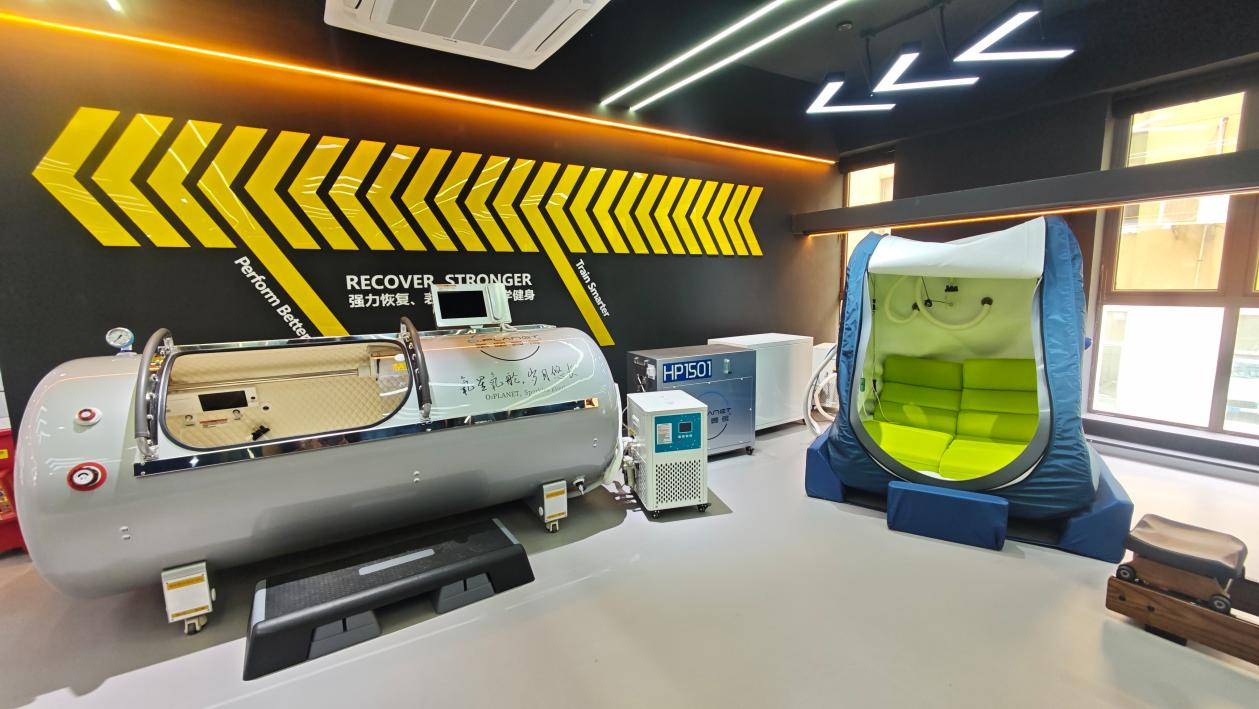
Featuring user-friendly operation, comfortable interior space, and stable pressurization performance, MACY-PAN hyperbaric oxygen chambers help make professional-grade oxygen therapy more accessible for daily recovery and wellness routines.
If you or your patients are looking for a trusted hyperbaric oxygen chamber solution, MACY-PAN is committed to providing reliable HBOT equipment to support better recovery and healthier lifestyles.
Post time: Jul-29-2026