

High-altitude travel has become an increasingly attractive option for adventure seekers worldwide, drawn by the allure of blue skies and white clouds. However, many harbor a common concern-high altitude sickness. Symptoms such as headaches, palpitations, and breathlessness can tarnish the journey, while severe cases may escalate to life-threatening conditions like pulmonary or cerebral edema.

Why Do We Feel Unwell Upon Ascending to High Altitude?
High-altitude regions are characterized by lower atmospheric pressure and reduced oxygen content. Upon arriving, individuals struggle with insufficient oxygen intake, leading to decreased blood oxygen levels. As a result, vital organs such as the brain and heart enter a state of hypoxia, giving rise to high altitude sickness symptoms.
What is High Altitude Sickness?
High altitude sickness, also known as acute mountain sickness (AMS), occurs when the body is unable to acclimatize quickly to the low-pressure and low-oxygen environment found above 2,500 meters. The incidence rate for individuals who do not acclimatize before entering these altitudes can reach 50%-80%, with an even higher risk for those ascending more than 1,000 meters in less than 24 hours. Mild symptoms include headaches, chest tightness, shortness of breath, fatigue, and insomnia, which can greatly diminish your travel experience. Prolonged hypoxia can lead to severe complications such as high altitude pulmonary edema (HAPE) and high altitude cerebral edema (HACE), resulting in long-term consequences affecting the heart and nervous system.

The Root Cause: Insufficient Oxygen
Under normal circumstances, the air we breathe consists of approximately 21% oxygen. However, at elevations of around 3,000 meters, although the air is still clean, the atmospheric pressure drops. This reduction means each breath delivers fewer oxygen molecules; if you can “carry” 100 oxygen molecules at sea level, only about 70 can fill your lungs at altitude. As blood oxygen levels drop, cells across the body begin to “starve,” leading to high altitude sickness.
The Solution: Hyperbaric Oxygen Therapy
In situations where traditional oxygen intake falls short, hyperbaric oxygen therapy (HBOT) emerges as a powerful ally. Unlike standard oxygen therapy, which relies on hemoglobin in red blood cells to transport oxygen, hyperbaric oxygen therapy allows oxygen to dissolve directly into blood plasma. This process enables a higher volume of oxygen to reach hypoxic tissues-essentially augmenting the “oxygen supply” and combatting high altitude sickness efficiently.
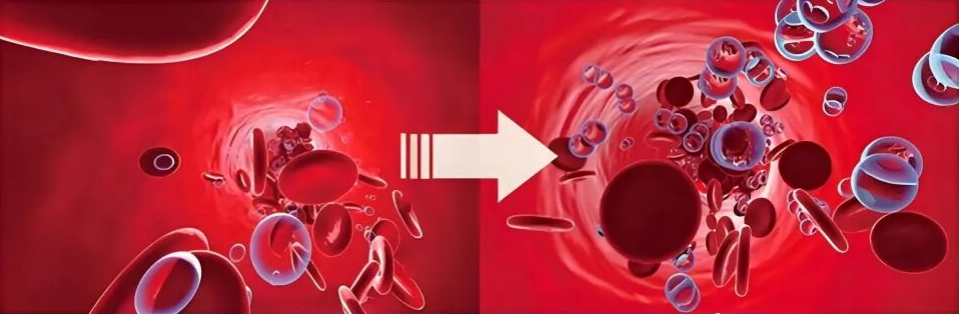
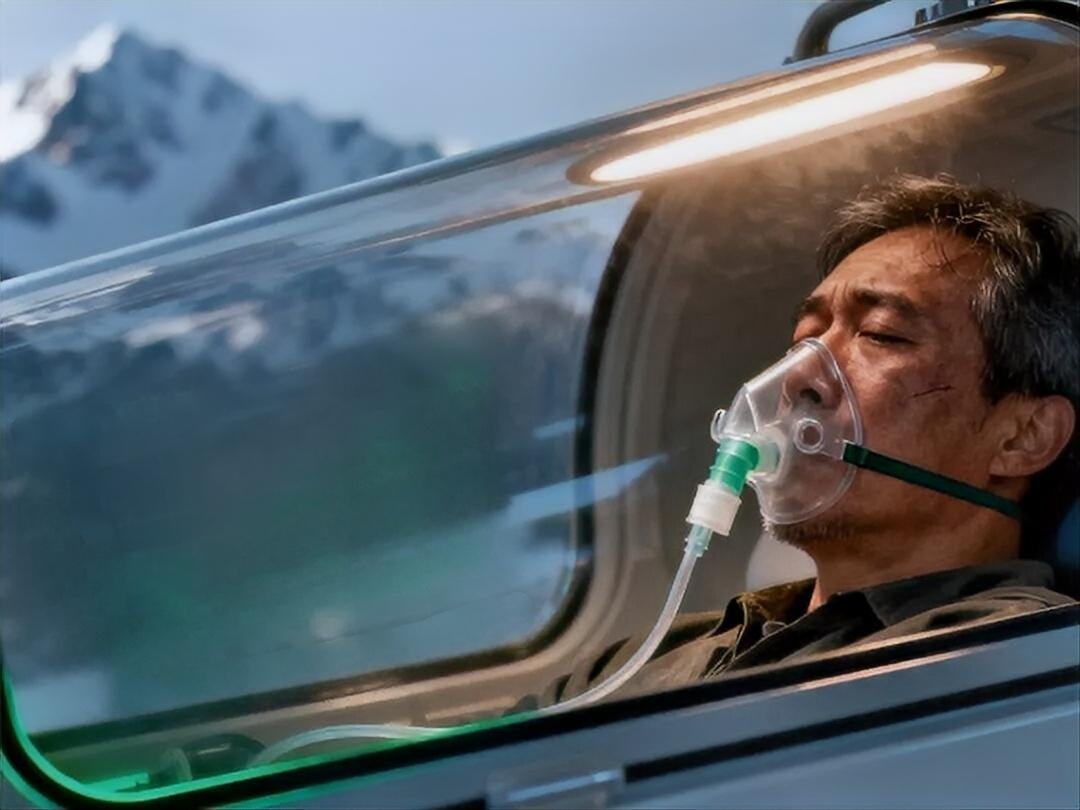
HBOT functions by placing individuals in a sealed chamber where environmental pressure is increased, allowing inhalation of concentrated oxygen. This approach not only elevates oxygen intake but also mimics conditions found at lower altitudes, effectively combating the low-pressure oxygen deficit encountered at high altitudes.
HBOT, or Hyperbaric Oxygen Therapy, functions by placing individuals in a sealed chamber where environmental pressure is increased, allowing inhalation of concentrated oxygen. This approach not only elevates oxygen intake but also mimics conditions found at lower altitudes, effectively combating the low-pressure oxygen deficit encountered at high altitudes. The therapy is particularly beneficial in various medical conditions, including carbon monoxide poisoning, decompression sickness, and chronic non-healing wounds. By increasing oxygen levels in the blood, HBOT enhances the body’s natural healing processes, promotes the formation of new blood vessels, and contributes to reducing inflammation.
Furthermore, it aids in fighting infections by creating a hyperoxic environment, which makes it more challenging for anaerobic bacteria to thrive. For patients recovering from surgeries or injuries, it can accelerate the healing of tissues by providing them with the necessary oxygen required for regeneration. Notably, athletes are also increasingly exploring HBOT as a recovery aid to reduce fatigue and enhance performance by improving oxygen delivery to muscles. Overall, the application of Hyperbaric Oxygen Therapy demonstrates a wide range of benefits, making it a valuable treatment option across various medical fields, enhancing both physical health and recovery outcomes for those undergoing different health challenges.
Applications of Hyperbaric Oxygen Therapy for High Altitudes
Why is hyperbaric oxygen therapy irreplaceable?
1. Rapid correction of hypoxia and reduction of pulmonary arterial pressure
High altitude leads to low atmospheric pressure and hypoxia, causing pulmonary vasoconstriction and a sharp rise in pulmonary arterial pressure-similar to squeezing a hose, which causes localized bulging and increased pressure, forcing fluid out of the vessel. Hyperbaric oxygen significantly increases dissolved oxygen in the blood, quickly relieving vascular spasm and lowering pulmonary arterial pressure, thereby preventing fluid leakage into alveoli at the source.
2. Inhibition of inflammatory factors and repair of the alveolar-capillary barrier
Hypoxia triggers inflammatory responses, damaging endothelial cells and creating “leaks” between cells, allowing excessive protein and fluid to escape. Hyperbaric oxygen suppresses the release of inflammatory mediators, reduces capillary membrane damage, promotes closure of these leaks, and restores barrier integrity.
3. Upregulation of aquaporins to enhance active alveolar fluid clearance
Normal alveoli have an intrinsic ability to actively remove excess fluid, relying on proteins such as aquaporins that function like “drainage pumps.” Hypoxia at high altitudes downregulates aquaporin-5 expression, impairing this drainage capacity. Hyperbaric oxygen significantly upregulates aquaporin expression, enhancing the alveolar epithelium’s ability to actively reabsorb edema fluid and enabling rapid removal of accumulated fluid.
4. Utilizing high-pressure environment to counteract hydrostatic pressure and promote edema absorption
Increased ambient pressure directly raises the gas pressure within alveoli, countering the hydrostatic pressure generated by edema fluid-effectively “compressing” the alveoli from within and pushing the fluid into the interstitial spaces, where it can be cleared by circulation. This physical effect cannot be achieved with normobaric oxygen therapy.
Key Considerations
It is important to remember that hyperbaric oxygen therapy is not a routine health practice but rather a targeted medical intervention designed for specific circumstances. Its key roles in addressing high altitude sickness include:
Conclusion
High-altitude plateau exploration represents a compelling and potentially transformative endeavor, yet it demands rigorous preparation and a nuanced understanding of the associated physiological challenges. While these extreme environments offer unparalleled opportunities for discovery, they also pose significant risks to human health due to hypobaric hypoxia.
Altitude-related pathophysiology originates from the fundamental challenge of reduced partial pressure of oxygen (PaO₂) at elevated altitudes, which disrupts homeostatic mechanisms and can precipitate life-threatening clinical syndromes. Hyperbaric oxygen therapy addresses this etiological core by delivering 100% oxygen at pressures greater than atmospheric pressure, thereby maximizing oxygen dissolution in plasma and restoring tissue oxygenation. While HBOT demonstrates efficacy in acute intervention, it should be considered as an adjunct to, rather than a replacement for, evidence-based prophylactic strategies including gradual acclimatization, hydration, and pharmacological prophylaxis. Clinicians must conduct thorough pre-expedition risk stratification, and adventurers should receive comprehensive education on altitude physiology and emergency response protocols to optimize outcomes in high-altitude environments.
Whether seeking pre-emptive support before embarking on your adventure, dealing with mid-journey symptoms, or recovering after your journey, appropriate HBOT can significantly mitigate damage and lower the risks of long-term side effects. Equip yourself with this knowledge, ensure a safe and fulfilling exploration, and may every journey to the high plateaus be met with peace and exhilaration.
Incorporating Hyperbaric Oxygen Therapy (HBOT) into your travel plans can be a game-changer for your health and well-being. Engaging in high-altitude adventures often exposes travelers to risks such as altitude sickness, which can lead to serious complications if not addressed properly. By understanding the benefits of HBOT, travelers can proactively manage potential health issues that arise during their expeditions. This advanced therapy enhances oxygen delivery to tissues, thereby promoting healing and reducing inflammation.
Before your journey, consider seeking HBOT to acclimatize your body and optimize physical endurance. If you experience symptoms like headaches or fatigue at altitude, immediate access to HBOT can facilitate a swift recovery, allowing you to continue enjoying the breathtaking landscapes around you. Post-journey, this therapy aids in recovery, helping to restore full health and counteract any lingering effects of high-altitude exposure.
Ultimately, prioritizing health and preventative care through HBOT not only enhances your ability to enjoy high-altitude adventures but also ensures that you return home invigorated rather than depleted. Remember, equipping yourself with the right resources and knowledge before embarking on your travels can transform your experiences into ones filled with joy and satisfaction.
Post time: Jul-30-2026