

Are you often troubled by bleeding gums, swelling, pain while brushing, or even loose teeth? These symptoms could be indicators of chronic periodontitis, a condition that requires attention to oral health. Dental pain is not merely an inconvenience; it is a serious health concern. Our teeth not only allow us to enjoy delicious food but also serve as a vital frontline defense for our overall health.
If left untreated, chronic periodontitis can gradually destroy the supporting tissues around the teeth, including the alveolar bone that anchors teeth in place, increasing the risk of tooth loss. What’s more, research has linked the persistent inflammation caused by periodontitis to a number of systemic health conditions, such as cardiovascular disease, diabetes complications, and even adverse pregnancy outcomes, showing just how closely oral health is connected to whole-body health. Fortunately, alongside the routine care most people are familiar with, there are additional approaches that can help manage this common condition more effectively.
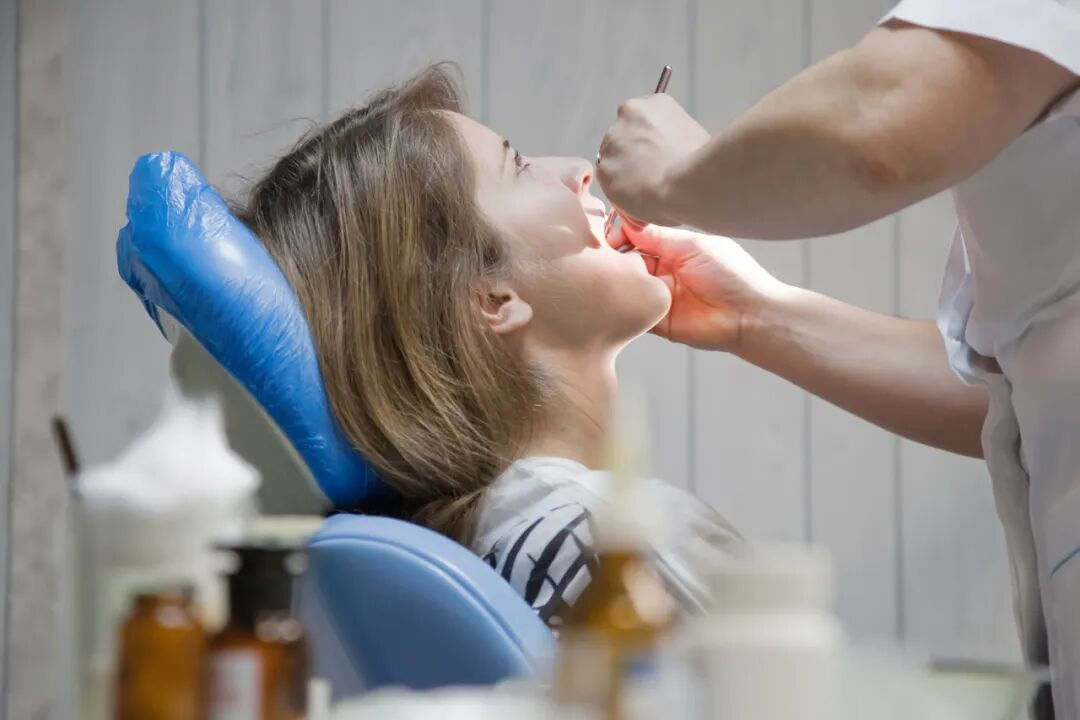
The crux of the issue lies in bacterial infections within the periodontal tissue. The onset of periodontitis is closely linked to the long-term stimuli provided by bacteria in the mouth. Our oral cavity houses billions of bacteria. When food debris remains, bacteria gather on tooth surfaces, forming dental plaque. If left unaddressed, bacteria irritate the gums, leading to inflammation, which manifests as gingivitis. If inflammation continues to progress, it can impact the periodontal tissues, resulting in periodontitis.
Bacterial plaque and tartar are key irritants that keep the gums inflamed, further damaging the support structures of the teeth. Studies indicate that individuals suffering from chronic periodontitis harbor significant numbers of specific pathogenic bacteria, largely anaerobic in nature. These bacteria thrive in low-oxygen environments, such as the deep pockets of periodontal tissue where inflammation occurs. As anaerobic bacteria proliferate, this can lead to symptoms like gum redness, bleeding during brushing, pocket formation, tooth mobility, and decreased chewing capabilities. Thus, improving the local periodontal environment and inhibiting pathogenic bacterial growth are critical components of effective treatment for periodontitis.
In essence, areas with low oxygen levels are more susceptible to inflammation and infection.
In addition to the well-known practices of proper brushing, regular flossing, and scheduled dental cleanings, there exists a somewhat underappreciated medical technique—Hyperbaric Oxygen Therapy (HBOT)—that plays a unique role in promoting oral health.
Over the past decades, growing clinical research has explored its effectiveness as an adjunctive treatment for persistent and severe periodontitis, revealing how it works to help reverse periodontal damage through multiple specific pathways that align with the core mechanisms of periodontitis progression. The foundational working principle of this therapy is closely tied to the hypoxic environment of inflamed periodontal pockets, which creates ideal conditions for the harmful pathogens that drive periodontal tissue destruction.

Hyperbaric oxygen therapy is a medical treatment that involves placing patients in a pressurized chamber to breathe pure oxygen. This can be likened to diving deeper into the ocean: under pressure, the amount of dissolved oxygen in the blood can increase exponentially, providing therapeutic benefits.
So, what advantages does high-concentration oxygen offer our oral health? It can be thought of as conducting a deep clean for the mouth while simultaneously accelerating the healing process.
In a hyperbaric environment, the heightened levels of oxygen infiltrate the gums and periodontal pockets that are usually oxygen-starved. For anaerobic bacteria, this creates an inhospitable situation: oxygen disrupts their survival, suppressing their proliferation and helping to control periodontal inflammation while reducing pus formation.
Tissue repair relies heavily on adequate oxygen supply. Hyperbaric oxygen therapy boosts blood’s oxygen-carrying capacity, empowering fibroblasts and osteoblasts to work effectively. This process constructs a “lifeline” to supply nutrients to the damaged gums and alveolar bone, promotes the growth of new blood vessels, and accelerates healing post extraction and implantation.
Hyperbaric oxygen therapy strengthens the bactericidal activity of white blood cells. When oxygen levels are high, their ‘combat readiness’ improves. Additionally, HBOT can enhance the microcirculation of local tissues, allowing the immune system to clear away necrotic tissue efficiently.
Severe oral infections or radiation-induced bone necrosis cause ischemia and hypoxia. Hyperbaric oxygen therapy helps to rejuvenate blood flow to “starving” bone tissues, forming a crucial part of comprehensive treatment for these complex diseases.
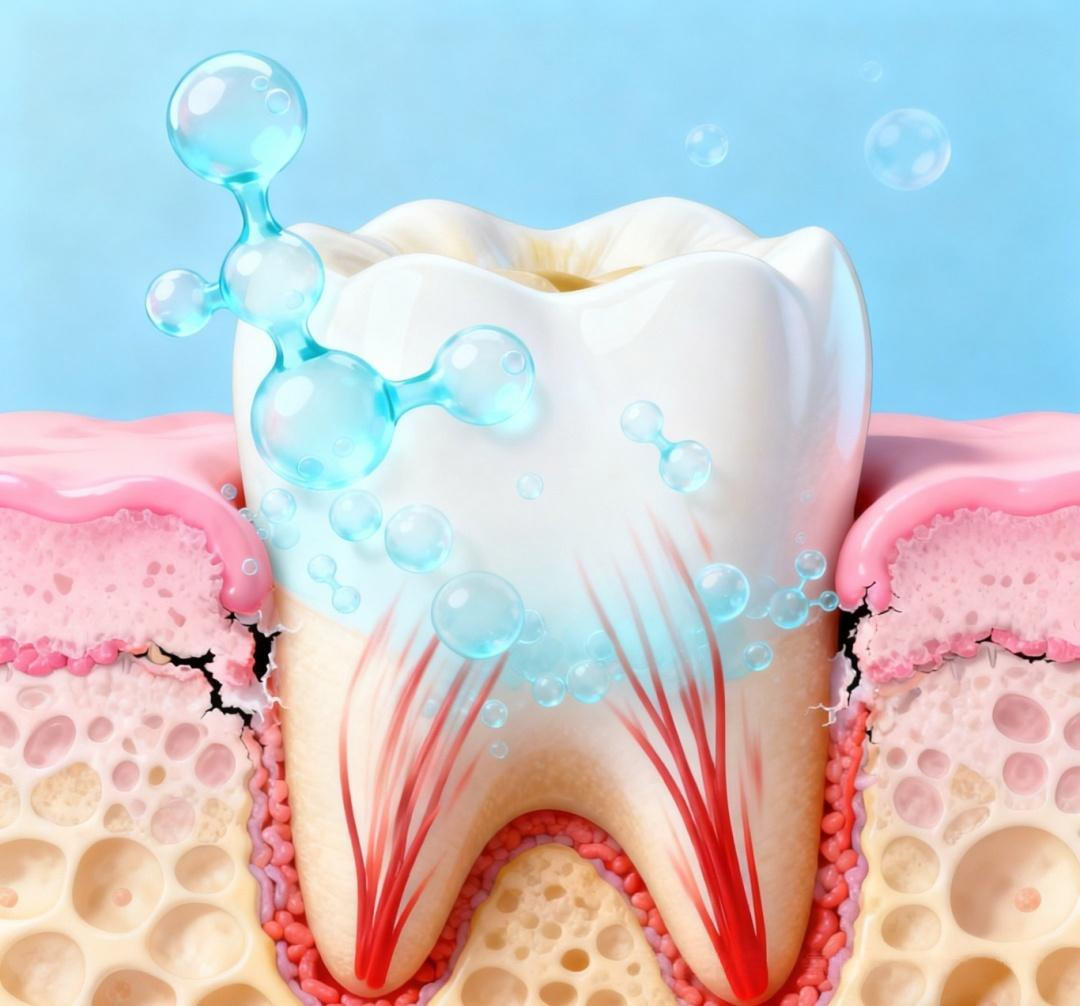
The primary cause of periodontitis is the significant proliferation of anaerobic bacteria in the low-oxygen pockets of the gum tissue. Hyperbaric oxygen therapy operates by:
- Increasing blood oxygen levels to permeate deeper periodontal tissues, creating an aerobic environment that directly suppresses anaerobic bacterial growth.
- Enhancing the phagocytic capability of neutrophils, thus bolstering the body’s immune defense.
- Promoting vasodilation in microvessels to improve local blood circulation and accelerate tissue repair.
- Synergizing with antibiotics to boost their efficacy.
Many people with advanced periodontitis experience resorption of the alveolar bone that supports teeth, which is one of the main causes of loose tooth and eventual tooth loss. Unlike soft periodontal tissues, the regeneration and repair of alveolar bone depend heavily on sufficient oxygen and nutrient supply to support osteoblast activity. By increasing oxygen diffusion into the jaw bone tissue, hyperbaric oxygen therapy improves the microcirculation in areas affected by chronic inflammation, creating a more favorable environment for new bone formation and preventing further bone resorption. This not only helps stabilize loose teeth but also lays a better foundation for subsequent restorative treatments like dental implants when tooth loss has already occurred.
Simply put, hyperbaric oxygen therapy acts as an oxygen supplement for periodontal tissues, leaving harmful bacteria nowhere to hide while speeding up healing.
The answer is nuanced. Hyperbaric oxygen therapy is a medical intervention with strict indications and contraindications that must be evaluated by a qualified physician—it’s not a casual spa treatment.
In the realm of oral health, hyperbaric oxygen therapy is typically employed in the following situations:
1. Severe periodontitis patients: As an adjunctive treatment to help control stubborn inflammation.
2. Pre-and post-dental implant procedures: Especially for patients with insufficient bone volume or suboptimal healing capacity.
3. Following complex tooth extractions: To prevent infection, reduce swelling, and promote recovery.
4. Treatment of radiation-induced damage: As part of a comprehensive rehabilitation approach.
The above-mentioned conditions require professional assessments to determine the appropriateness of hyperbaric oxygen therapy. For the average person, if experiencing occasional gum bleeding or mild periodontitis, maintaining proper daily oral hygiene (like effective brushing and flossing) and regular dental check-ups remain paramount.
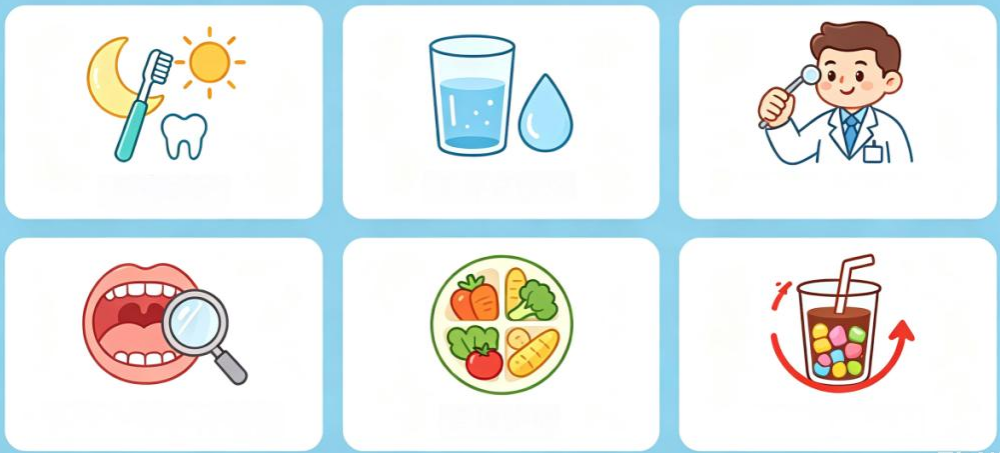
Brush twice daily for at least two minutes each time using fluoride toothpaste. Clean between teeth after meals with dental floss or interdental brushes, and consider using alcohol-free mouthwash as needed.
Persistent dry mouth should not be overlooked; it increases the risk of cavities and oral infections. Maintain hydration, limit caffeinated beverages, avoid alcohol, and consider sugar-free chewing gum.
Just because you don’t feel pain doesn’t mean your oral health is fine. Early signs of cavities and gum disease often lack noticeable symptoms and may only be identified through professional checks.
Seek medical attention for persistent sores, lesions, or discomfort—these could signal oral mucosal inflammation or even precancerous changes.
Control sugar intake as it’s a leading cause of tooth decay. Limit sugary beverages and sweets, particularly before bedtime. Opt for high-fiber fruits and vegetables.
With advancements in hyperbaric oxygen therapy, its role as an adjunctive treatment is poised to expand, potentially enhancing treatment efficacy when combined with standard periodontal interventions. However, it is crucial to note that hyperbaric oxygen therapy is not a substitute for traditional periodontal treatment. addressing periodontitis requires ongoing dental check-ups, cleanings, and effective home hygiene practices to control plaque buildup and uphold excellent oral health.
Overall, hyperbaric oxygen therapy offers promising complementary benefits for managing periodontitis through multiple mechanistic pathways we have outlined. While research continues to refine its clinical indications and optimal application protocols, it remains a valuable auxiliary option that can support conventional periodontal care. For individuals with persistent or severe periodontitis that does not respond fully to standard treatments, discussing the potential addition of hyperbaric oxygen therapy with a qualified dental and medical team can help tailor a personalized care plan that aligns with individual health needs. By combining innovative adjunctive approaches with foundational oral hygiene habits, we can more effectively control periodontal inflammation, preserve natural dentition, and maintain long-term oral and overall systemic health.
Post time: Sep-08-2026