

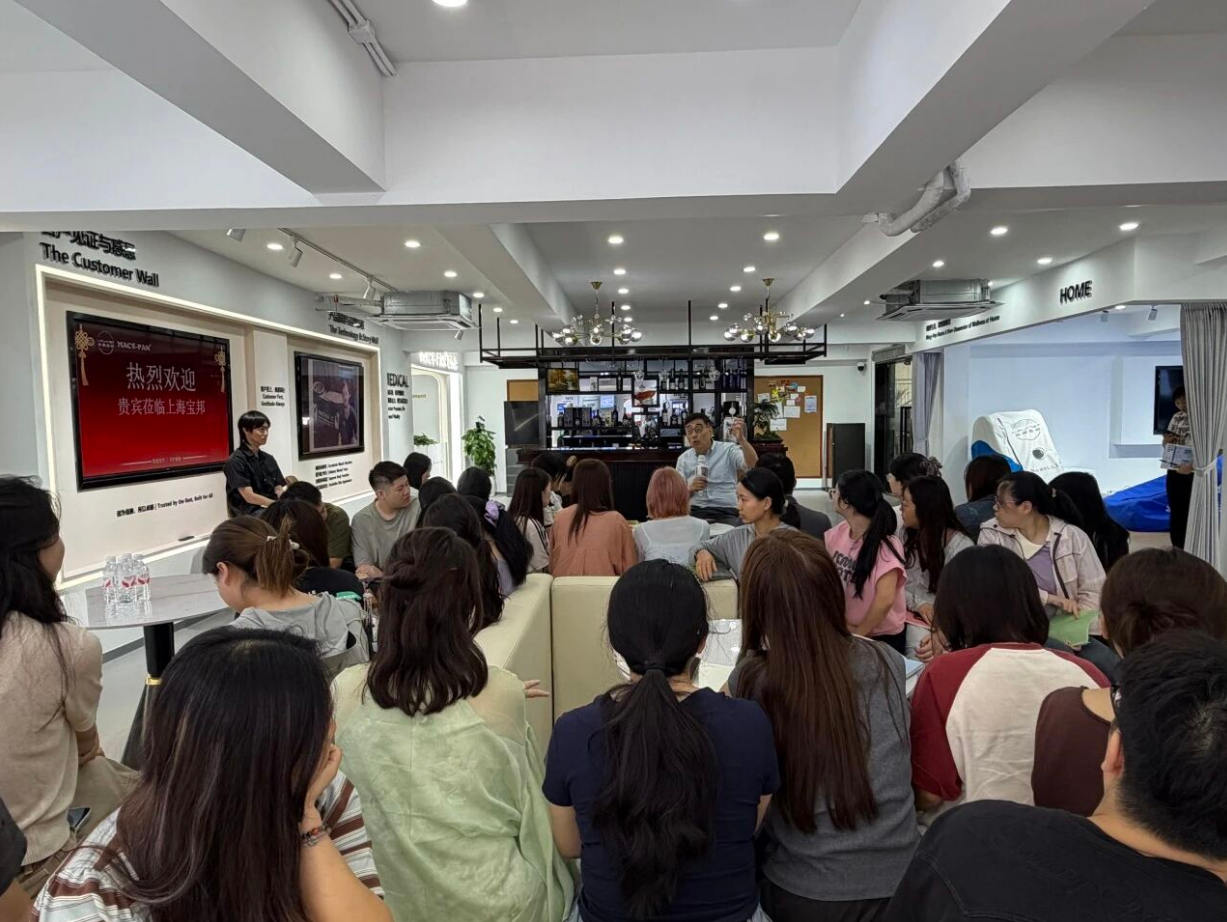
On July 3, 2026, A specialized academic seminar focusing on the latest applications of Hyperbaric Oxygen Therapy (HBOT) in orthopedics was successfully held at MACY-PAN.
The seminar featured Professor Wang Qiugen, Director of the Trauma Center and Chief Orthopedic Surgeon at Shanghai General Hospital, as the keynote speaker. Professor Wang is a renowned expert in orthopedic trauma with more than 30 years of clinical and research experience. He currently serves in several important academic positions, including Vice Chairman of the Asian Association of Dynamic Osteosynthesis (AADO) and Chairman of the Shanghai Trauma Branch of the Chinese Medical Association.
This event was not only an exchange of advanced medical knowledge but also demonstrated the growing transition of hyperbaric oxygen technology from traditional hospital-based applications toward broader health management and rehabilitation scenarios.
Hyperbaric Oxygen Therapy:
The “Invisible Accelerator” for Bone and Tissue Recovery
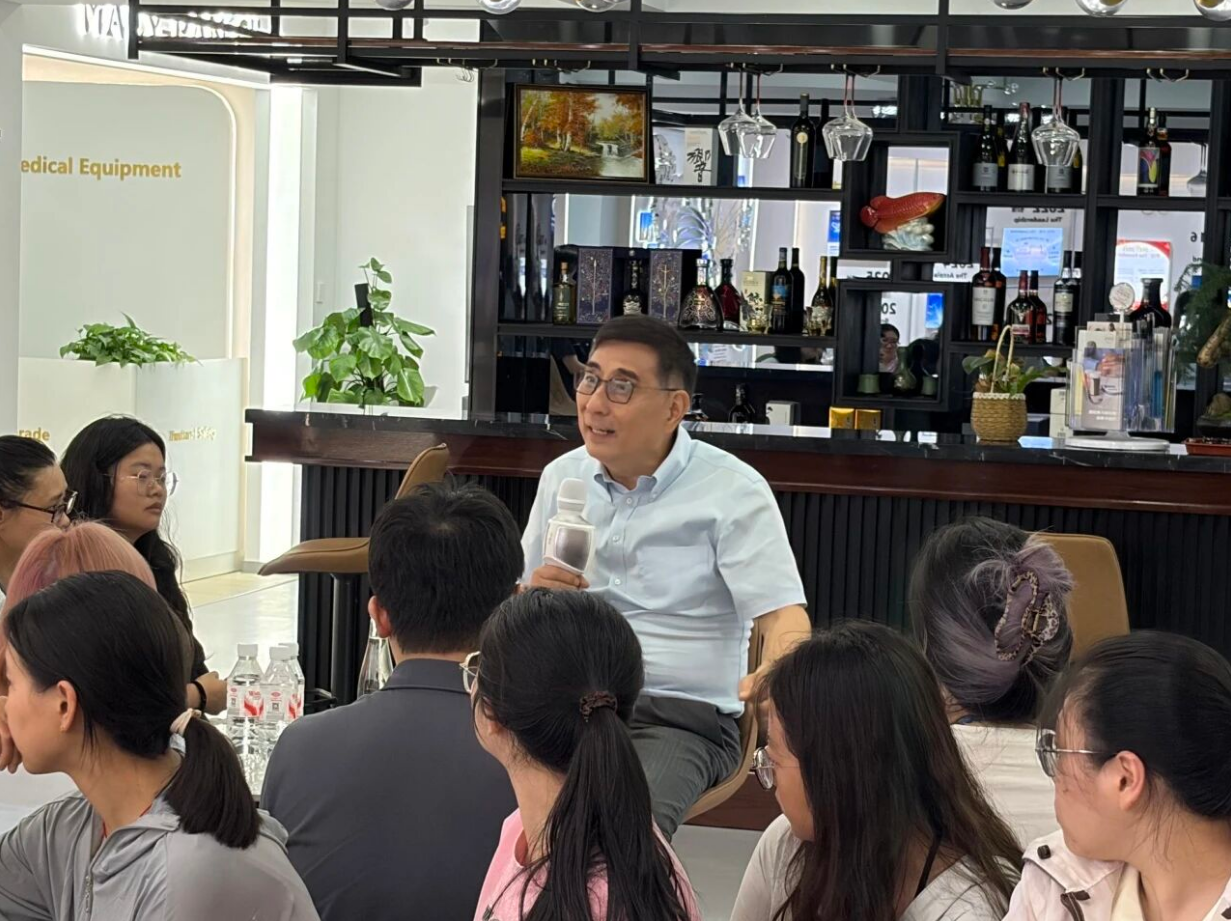
During the seminar, Professor Wang Qiugen provided a comprehensive overview of the scientific principles and clinical applications of HBOT in orthopedic rehabilitation.
He highlighted that hyperbaric oxygen therapy plays an important supportive role in various orthopedic conditions, including:
- · Fracture healing and delayed fracture recovery
- · Postoperative orthopedic rehabilitation
- · Limb replantation and circulation-related injuries
- · Crush injuries and crush syndrome
- · Osteomyelitis
- · Spinal cord injuries
- · Osteonecrosis
- · Sports-related injuries
Professor Wang explained that the core mechanism of HBOT lies in its ability to significantly increase blood oxygen content and oxygen diffusion distance.
By improving oxygen availability in damaged tissues, HBOT may help:
- · Enhance cellular aerobic metabolism
- · Improve local tissue oxygenation
- · Support vascular recovery
- · Promote tissue repair processes
After bone injury, local blood circulation may become compromised, reducing oxygen supply to surrounding tissues. This can lead to:
- · Accumulation of metabolic waste products
- · Increased swelling
- · Delayed recovery of bone and soft tissue
Hyperbaric oxygen therapy helps interrupt this cycle of:
by creating a more favorable oxygen environment for bone and soft tissue recovery.
From Scientific Research to Clinical Practice:
More Than 20 Years of Academic Exploration
During the seminar, Professor Wang also shared his long-term research experience in the field of hyperbaric oxygen therapy.
In 1997, Professor Wang led a research project titled:
“The Effects of Hyperbaric Oxygen Therapy on Peripheral Nerve Regeneration After Injury”
The study received the Third Prize of the Military Science and Technology Progress Award.
Through extensive experimental research, the study demonstrated that HBOT could:
- · Promote axonal regeneration after peripheral nerve injury
- · Reduce the degree of Wallerian degeneration
- · Support neurological functional recovery
These findings provided important scientific evidence for understanding the biological effects of hyperbaric oxygen therapy on damaged tissues.
Professor Wang emphasized that hyperbaric oxygen technology has evolved significantly over the past decades.
From its early use primarily in hospital-based critical care and rehabilitation settings, HBOT is now expanding into broader applications, including:
- · Recovery support
- · Wellness management
- · Sports rehabilitation
- · Daily health maintenance
Based on decades of research, Professor Wang noted that the biological mechanisms of HBOT-including improved microcirculation and enhanced cellular oxygen supply-provide promising opportunities for orthopedic recovery and health management.
Home Hyperbaric Oxygen Chambers:
Bringing Professional Oxygen Therapy Into Everyday Life
As a company specializing in home hyperbaric oxygen chambers for nearly 20 years, MACY-PAN has been committed to making hyperbaric oxygen technology more accessible, intelligent, and suitable for everyday use.
The successful completion of this academic seminar represents an important step toward integrating scientific research, clinical knowledge, and modern home oxygen therapy solutions.
Professor Wang explained that home hyperbaric oxygen chambers operating at moderate pressures, typically around 1.3 ATA to 1.5 ATA, can increase the amount of physically dissolved oxygen in plasma and tissues.
“This is not simply about relieving fatigue,” Professor Wang stated.
“It creates an ‘oxygen highway’ for damaged tissue cells by improving oxygen availability.”
He emphasized that this mechanism may provide valuable support for:
- · Sports injury recovery
- · Postoperative rehabilitation
- · Age-related physical recovery
- · Daily wellness management
Driven by Science, Built on Quality
This academic seminar was more than a knowledge-sharing event. It reflected MACY-PAN’s commitment to:
As a pioneer in the home hyperbaric oxygen chamber industry, MACY-PAN continues to combine advanced technology, engineering excellence, and user-focused design to help more people experience the benefits of modern hyperbaric oxygen technology.
In the future, MACY-PAN will continue organizing high-level academic exchange activities and collaborating with experts in related fields to explore new possibilities for hyperbaric oxygen therapy in health management and rehabilitation.
Through continuous innovation and commitment to quality, MACY-PAN aims to provide users worldwide with safer, more professional, and more reliable hyperbaric oxygen chamber solutions.
Post time: Jul-21-2026