

In recent years, many people have heard claims that Hyperbaric Oxygen Therapy (HBOT) may help with infertility, raising questions about whether this innovative therapy can truly support reproductive health.
Infertility is a complex health issue influenced by multiple factors, affecting millions of couples worldwide. While conventional fertility treatments such as In Vitro Fertilization (IVF) and Intrauterine Insemination (IUI) have achieved remarkable success, they also come with certain challenges and limitations. As a result, both patients and healthcare professionals have increasingly explored complementary approaches, including hyperbaric oxygen therapy, as a potential way to support fertility outcomes.
HBOT works by increasing oxygen availability in the body, reducing oxidative stress, and improving blood circulation. These effects may help create a healthier environment for reproductive organs, support sperm and egg quality, and potentially improve fertility outcomes when used alongside conventional treatments.
How Does Hyperbaric Oxygen Therapy Work for Fertility Support?
Hyperbaric Oxygen Therapy involves breathing 100% oxygen inside a pressurized chamber, typically at pressures higher than normal atmospheric pressure (commonly between 1.5 ATA and 3.0 ATA depending on clinical applications).
Under increased pressure, oxygen dissolves more efficiently into the blood plasma and can reach tissues with limited oxygen supply. In terms of reproductive health, HBOT may support fertility through three primary mechanisms:
1 Enhanced Oxygen Delivery to Reproductive Organs
One of the major benefits of HBOT is its ability to significantly increase oxygen availability throughout the body.
Reproductive organs, including the ovaries, testes, and uterus, require adequate oxygen levels to maintain healthy function. Improved oxygen circulation may:
- Support healthy sperm production
- Promote better egg development
- Improve uterine health
- Create a more favorable environment for embryo implantation
By enhancing tissue oxygenation, HBOT may contribute to improved reproductive function.
2 Reduction of Oxidative Stress
Oxidative stress occurs when there is an imbalance between free radicals and antioxidants in the body. Excessive reactive oxygen species (ROS) can negatively affect reproductive cells, including sperm and eggs, potentially influencing fertilization and embryo development.
Research suggests that HBOT may:
- Stimulate antioxidant enzyme activity
- Reduce oxidative damage
- Protect reproductive cells from free radical-related injury
By helping maintain a healthier cellular environment, HBOT may support improved reproductive cell quality.
3 Improved Blood Circulation and Tissue Regeneration
Healthy blood flow plays a critical role in reproductive health. HBOT promotes microcirculation, supports tissue repair, and may help reduce inflammation.
For individuals experiencing conditions associated with reduced blood supply, such as:
- Endometriosis-related tissue damage
- Poor uterine circulation
- Reduced ovarian function
HBOT may help improve oxygen delivery to reproductive tissues and support a healthier environment for conception.
Can Hyperbaric Oxygen Therapy Support Male Fertility?
Male factors contribute to approximately 40–50% of infertility cases. Male reproductive challenges may include:
- Low sperm count (oligospermia)
- Poor sperm motility (asthenospermia)
- Abnormal sperm morphology (teratospermia)
- Varicocele-related reproductive issues
- Sperm DNA fragmentation caused by oxidative stress
Other factors, including hormonal imbalance, genetic conditions, lifestyle habits, smoking, alcohol consumption, and environmental exposure, may also affect sperm health.
Potential Benefits of HBOT for Male Fertility
Improving Sperm Quality
Some studies suggest that hyperbaric oxygen therapy may positively influence sperm parameters, including sperm concentration, motility, and morphology.
By increasing oxygen supply to the testes, HBOT may support healthier sperm production. This is particularly important for men with reduced sperm motility, as sperm require sufficient movement ability to successfully reach and fertilize an egg.
Reducing Sperm DNA Damage
Sperm cells are highly sensitive to oxidative stress. Excessive oxidative damage may increase sperm DNA fragmentation and negatively affect fertilization potential.
HBOT may help reduce oxidative stress by:
- Increasing antioxidant activity
- Lowering free radical damage
- Supporting healthier sperm DNA integrity
Supporting Testicular Function
Certain conditions, such as varicocele, may impair testicular function and reduce sperm quality. Through improved blood circulation and oxygen delivery, HBOT may support tissue recovery, reduce inflammation, and promote healthier testicular function.

Clinical Evidence: Hyperbaric Oxygen Therapy and Male Infertility
A study titled “Hyperbaric Oxygen Therapy as an Adjunctive Treatment in Male Infertility and Assisted Reproductive Technology” investigated the potential role of HBOT in men undergoing fertility treatment.
Study Design
Researchers conducted a retrospective analysis of male infertility patients treated with HBOT between 2015 and 2019.
The inclusion criteria included:
- At least one year of infertility
- No major urogenital abnormalities
- Female partners with normal fertility evaluation
- No previous spontaneous or assisted conception
- Participants aged 18 years or older
Patients received:
- Six months of HBOT
- 100% oxygen exposure
- 2.4 ATA pressure
- 120-minute treatment sessions
Treatment was combined with antioxidant supplementation, followed by assisted reproductive technology (ART) procedures based on sperm analysis or TESE results.
Study Results
Patient characteristics:
- 15 male infertility patients participated
- Average age: 35.4 ± 6.9 years
- 73% had previous varicocele surgery
- 27% were smokers
- Average infertility duration: 5.7 ± 5.44 years
Sperm Parameters
Results showed:
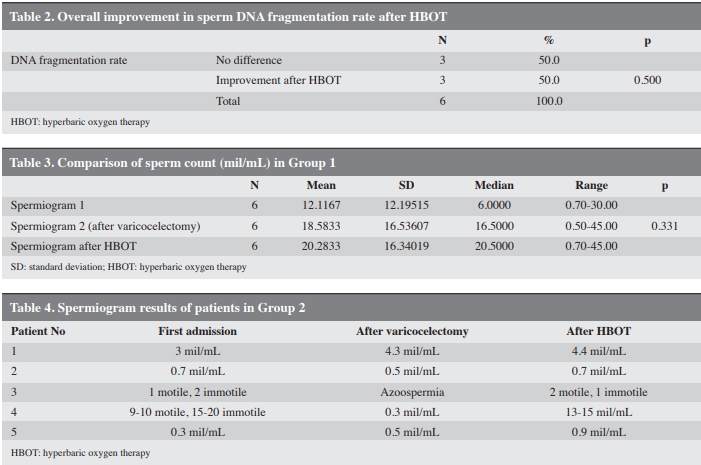
- A trend toward improved sperm quantity and reduced DNA fragmentation
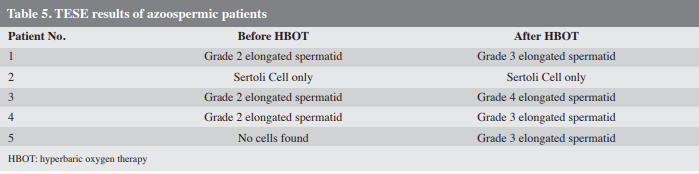
- Improvement in TESE outcomes in 80% of patients with sperm DNA fragmentation issues
- 50% of patients showed improved sperm DNA fragmentation levels after HBOT
Although some improvements did not reach statistical significance due to the small sample size, the findings suggest that HBOT may have potential value as a supportive therapy.
Assisted Reproductive Outcomes
After HBOT:
- 31 embryos were obtained
- 19 embryos were transferred
- 3 pregnancies occurred, including one twin pregnancy
The study suggested that HBOT may support embryo production, particularly among patients with abnormal sperm morphology and azoospermia.
Can Hyperbaric Oxygen Therapy Support Female Fertility?
Female infertility can result from various factors, including:
- Ovulation disorders
- Fallopian tube blockage
- Endometriosis
- Polycystic ovary syndrome (PCOS)
- Age-related decline in ovarian reserve
- Poor egg quality
- Reduced uterine receptivity
In these situations, HBOT has attracted attention as a potential complementary approach for supporting reproductive health.
Potential Benefits of HBOT for Female Fertility
Supporting Ovarian Function
Research suggests that improved oxygen supply may influence ovarian function by supporting follicular development and cellular activity.
For women experiencing reduced ovarian reserve or concerns related to egg quality, HBOT may help create a more favorable ovarian environment through enhanced oxygenation.
Improving Uterine Health and Endometrial Quality
A healthy endometrium is essential for successful embryo implantation.
HBOT may support:
- Improved uterine blood flow
- Enhanced endometrial development
- Better tissue oxygenation
This may be particularly relevant for women undergoing IVF treatment, as adequate endometrial thickness and receptivity are important factors for implantation success.
Reducing Oxidative Stress in Female Reproductive Health
Egg cells and uterine tissues can also be affected by oxidative stress. By supporting antioxidant defenses and reducing oxidative damage, HBOT may help maintain healthier reproductive tissues and support a more favorable environment for conception.
Clinical Evidence: HBOT and Female Infertility
A study titled “Hyperbaric Oxygen Therapy as a Primary Treatment Approach for Infertility” evaluated the effects of HBOT on uterine conditions, endometrial vascularization, and tissue quality.
Study Design
The study included:
- 32 women with unexplained infertility
- No previous assisted reproductive technology (ART) history
- 10 participants in a control group receiving treatment at 1 ATA
The HBOT group received:
- 2.3 ATA pressure
- Daily sessions for 7 consecutive days
- 70-minute treatment duration
Researchers monitored changes using transvaginal color Doppler ultrasound.
Study Results
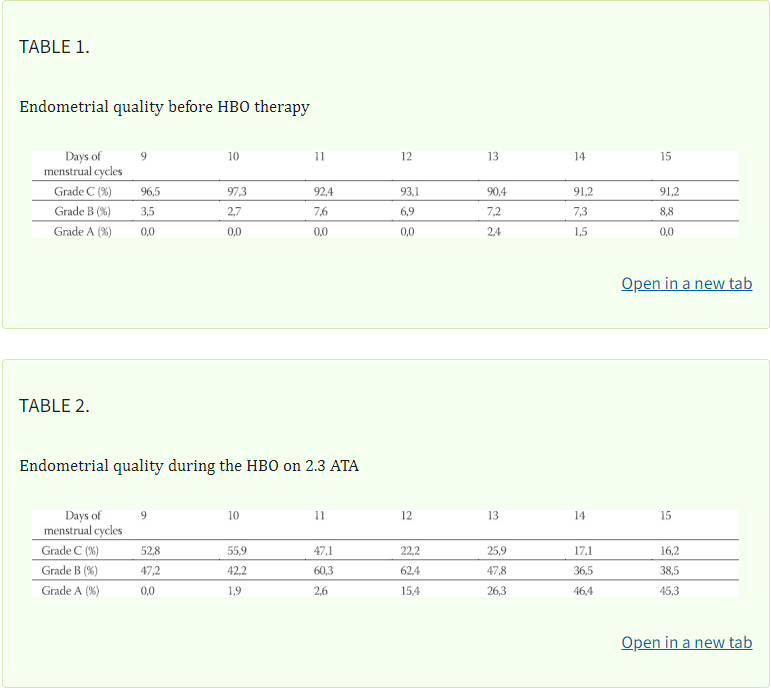
Before treatment:
- Many participants showed poor endometrial quality
- Thin endometrial lining was observed
- Higher uterine vascular resistance was detected
After HBOT:
- Endometrial thickness and quality improved significantly
- Uterine blood flow resistance decreased
- A denser, low-resistance capillary network was observed within the endometrium
These findings suggest that improving endometrial oxygenation and vascular development may help create a more receptive environment for embryo implantation.
Conclusion: The Potential Role of HBOT in Fertility Support
Hyperbaric Oxygen Therapy represents a promising complementary approach for supporting reproductive health.
Current research suggests that HBOT may help:
- Improve sperm quality
- Reduce sperm DNA fragmentation
- Support ovarian function
- Enhance endometrial health
- Improve tissue oxygenation and circulation
However, infertility is a complex condition, and HBOT should not replace established fertility treatments. Patients should always consult qualified fertility specialists to develop an individualized treatment plan based on their specific condition.
Advanced Hyperbaric Chambers Designed for Fertility and Wellness Applications
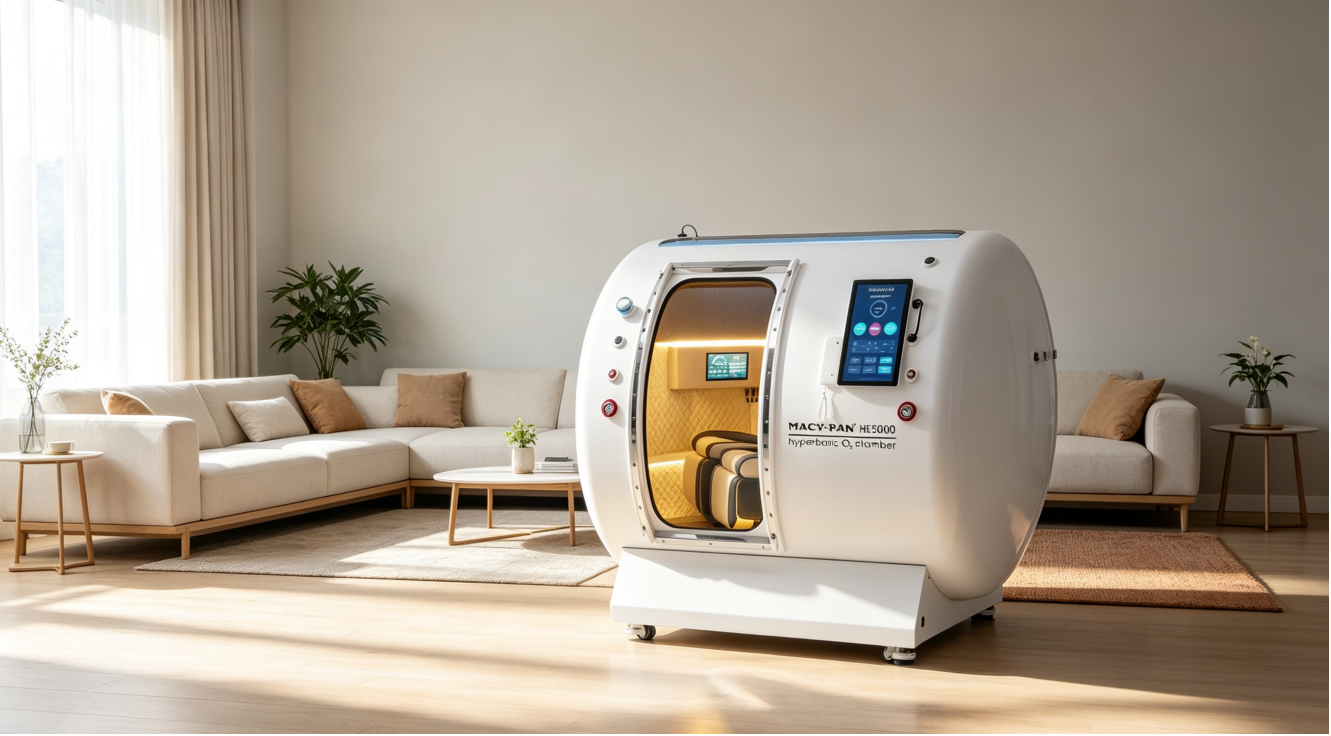
As a leading manufacturer of hyperbaric oxygen chambers, MACY-PAN is dedicated to developing advanced HBOT equipment designed with safety, comfort, and innovation in mind.
Our state-of-the-art hyperbaric chambers provide an ideal environment for professional and wellness applications, supporting users with reliable technology and refined engineering.
Discover how advanced hyperbaric chamber solutions can help create a better oxygen therapy experience.
Post time: Jul-22-2026