

In our daily lives, when we feel unwell, our first instinct is to reach for medications, injections, or physical therapy. However, one fundamental issue is often overlooked: 90% of bodily injuries, fatigue, slow recovery, and recurring discomfort stem from “hypoxia” or lack of oxygen.
Many people associate hyperbaric oxygen therapy merely with emergency situations, such as carbon monoxide poisoning or decompression sickness, leading to a significant misunderstanding of its core value. In reality,hyperbaric oxygen therapy is not limited to emergencies; it is a non-invasive physical therapy method that addresses hypoxia, accelerates recovery, and enhances self-healing across various situations, including acute care, rehabilitation, chronic disease management, and sub-health maintenance. It’s essentially an “all-around oxygen therapy” that repairs oxygen-deprived damage in the body, aids recovery, and improves sub-health conditions.
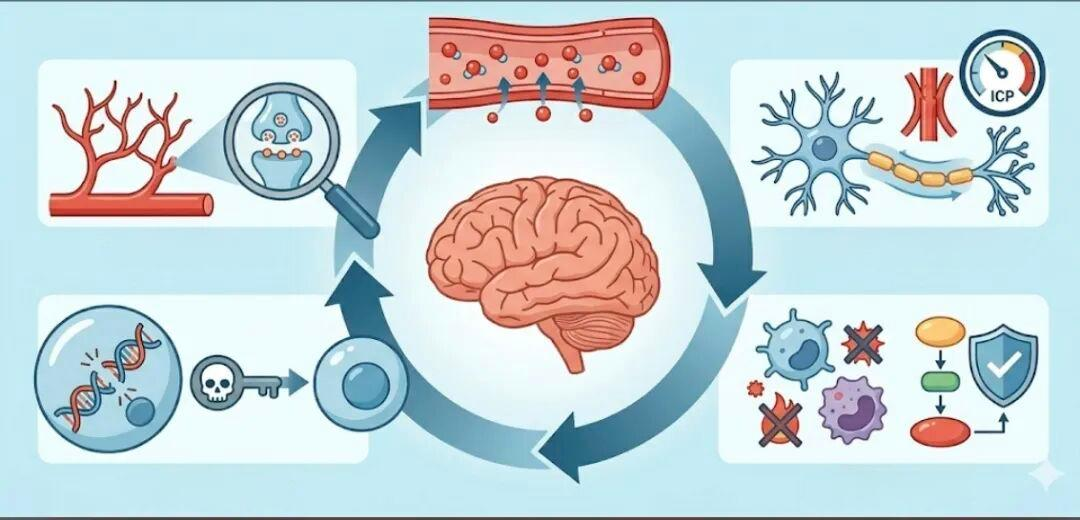
Oxygen plays a vital and indispensable role in the human body, functioning as the fundamental fuel necessary for numerous biological processes. It is essential not only for cellular repair but also for nerve recovery, wound healing, and the overall immune response. However, while ordinary breathing and basic oxygen inhalation methods can meet our body’s minimal requirements for oxygen, they are often insufficient for achieving comprehensive repair and regeneration of damaged tissues. This limitation becomes particularly evident in cases of injury, illness, or chronic conditions that require more than just the standard oxygen levels we receive through natural respiration.
What is Hyperbaric Oxygen Therapy?
Hyperbaric oxygen therapy emerges as a scientifically validated and increasingly recognized approach to enhance the availability of oxygen to the body’s tissues. Unlike the regular atmosphere, where we breathe in oxygen at a pressure of one atmosphere,hyperbaric oxygen therapy involves breathing pure oxygen in a pressurized chamber. This process allows oxygen to dissolve into the body’s fluids, effectively delivering it to areas that may be deprived of adequate oxygen due to various medical conditions. The benefits of this therapy are akin to providing the entire body with a rejuvenating spa experience, where each cell receives targeted treatment and nourished restoration.
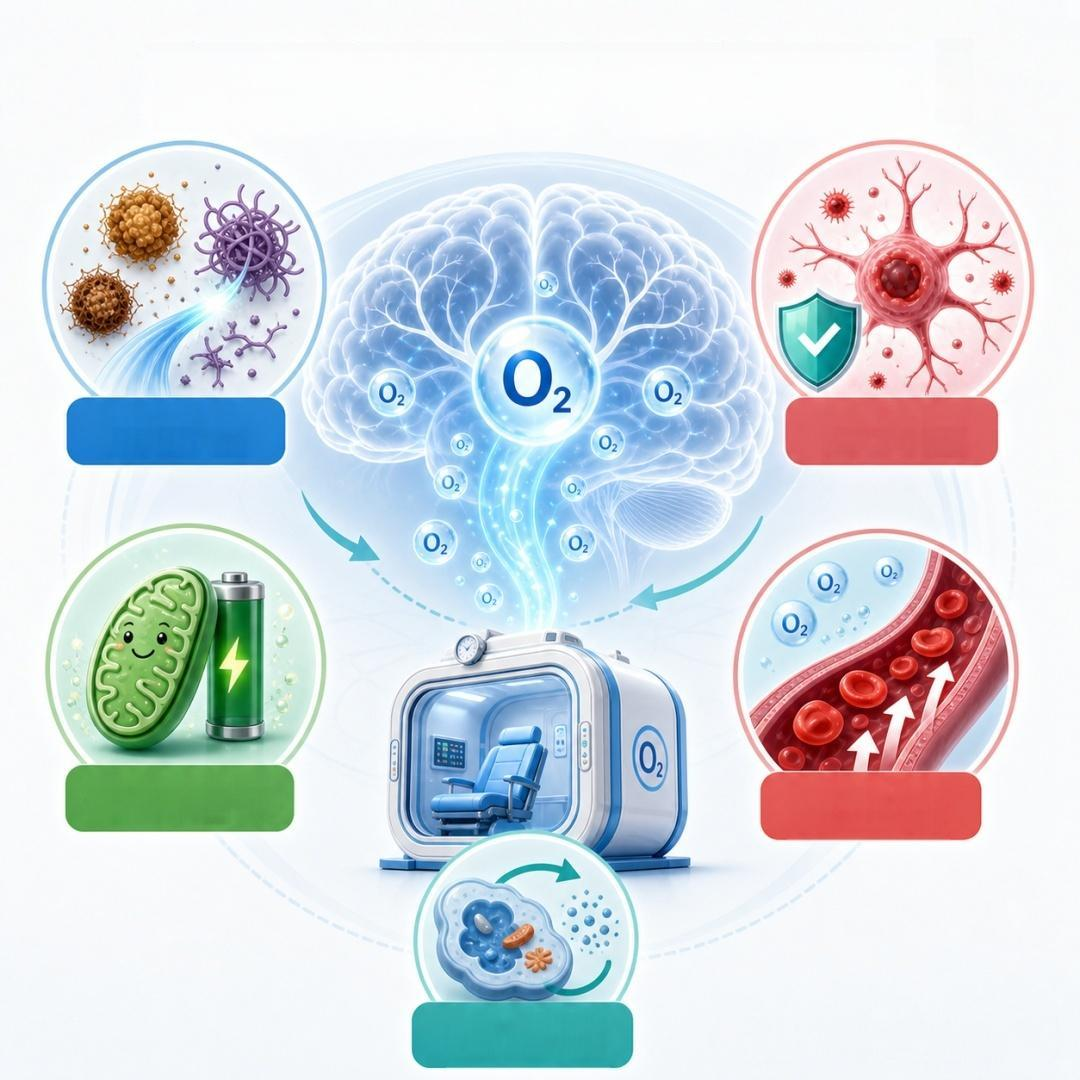
The mechanism behind hyperbaric oxygen therapy is straightforward yet profound: as the pressure increases, the amount of oxygen that can be absorbed by the bloodstream expands far beyond normal levels. This increased oxygen availability is critical for optimizing cellular metabolism and promoting faster healing. When tissues are subjected to higher pressures of oxygen, it also helps to reduce inflammation significantly and stimulate the growth of new blood vessels, a process known as angiogenesis. By increasing the supply of oxygen to injured or compromised areas, HBOT can accelerate the body’s natural healing processes, making it a vital tool in the treatment of various conditions, including chronic wounds, traumatic injuries, and even neurological disorders.
Moreover, hyperbaric oxygen therapy is not limited to merely treating physical injuries. It has been found to be beneficial in enhancing immune function as well. The added oxygen aids in the killing of bacteria and other pathogens, thus enhancing the body’s defensive mechanisms. For patients with conditions such as diabetic ulcers or radiation injuries, where oxygen supply can be compromised, HBOT can be a critical component of the treatment plan.
Clinical studies have demonstrated the effectiveness of hyperbaric oxygen therapy in promoting tissue repair and regeneration in numerous cases. For instance, athletes have also begun to recognize its potential, using the therapy to expedite recovery from injuries and enhance performance by speeding up muscle recovery and reducing fatigue. Additionally, the therapy has been explored for conditions such as carbon monoxide poisoning, decompression sickness, and even recovery from certain surgical procedures.
while basic oxygen intake through regular breathing is vital for sustaining life, it is clear that it falls short in facilitating comprehensive tissue repair and recovery. Hyperbaric oxygen therapy stands out as a groundbreaking approach that harnesses the power of oxygen under pressure to foster cellular repair and recovery at an unprecedented level. It acts as a restorative experience for the entire body, delivering essential oxygen deep into the tissues, stimulating healing processes, and equipping the immune system to function at its best. As research continues to evolve, the potential applications and benefits of this therapy are likely to expand, offering hope for improved health and recovery for many individuals experiencing tissue damage and other related ailments.
Conditions Most Suitable for Hyperbaric Oxygen Treatment
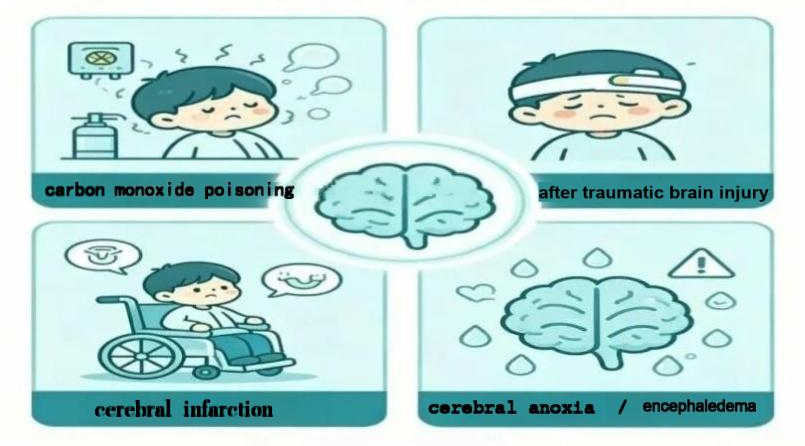
Clinically,hyperbaric oxygen therapy is widely applicable, particularly for various hypoxic brain disorders:
Furthermore, hyperbaric oxygen therapy surpasses standard rest in addressing several bodily issues:
Three Core Advantages of Hyperbaric Oxygen Therapy Worth Noting
Most bodily discomfort and slow recovery are caused by cell hypoxia. Hyperbaric oxygen therapy addresses this core issue, enhancing the body’s self-healing abilities instead of merely alleviating symptoms.
This purely physical, green therapy does not require medications or injections, thus avoiding additional burden on the liver and kidneys.
An individual treatment session provides widespread benefits, enhancing overall cellular vitality and improving both immune function and emotional well-being.
What Conditions Can Hyperbaric Oxygen Therapy Treat?
Besides neurological issues,hyperbaric oxygen therapy serves as a powerful tool for repair across various health conditions, including auditory diseases, dental afflictions, and post-operative recovery processes.
Hyperbaric Oxygen’s Therapeutic Use for Health Maintenance
Not just a tool for treating diseases, hyperbaric oxygen therapy is also an excellent method for health maintenance, alleviating fatigue and improving overall wellness for individuals facing chronic stress, studying for exams, or engaged in sedentary work.
Contraindications for Hyperbaric Oxygen Therapy
Despite its benefits,hyperbaric oxygen therapy may not be suitable for everyone. The following conditions are relatively contraindicated:
- • Untreated pneumothorax or pulmonary bullae
- • Uncontrolled hypertension, diabetes, or epilepsy
- • Active respiratory infections
- • Severe claustrophobia
Common Misunderstandings About Hyperbaric Oxygen Therapy
In conclusion, hyperbaric oxygen therapy emerges as a pivotal approach in modern health treatment, transcending mere symptom relief to target the fundamental cause of various ailments – oxygen deficiency. This innovative therapeutic technique is not merely about alleviating immediate discomfort; rather, it is a comprehensive health-enhancing treatment that promotes overall well-being by ensuring the body receives adequate oxygen levels. By supplying a higher concentration of oxygen to the body in a controlled environment, this therapy facilitates numerous physiological benefits, including improved cellular function, accelerated healing processes, and enhanced energy levels.
In our increasingly fast-paced world, where stress and environmental factors may lead to a decline in overall health, incorporating hyperbaric oxygen therapy into regular health routines can have profound implications. This therapy enables individuals to not only recover from particular health issues but also to proactively enhance their vitality and longevity. Regular sessions can help reduce fatigue, improve cognitive functions, and support the body’s natural ability to fight off illness.
Moreover, hyperbaric oxygen therapy also shows promise in various medical conditions, from chronic wounds and infections to neurological disorders, proving its versatile applicability in the healthcare landscape. It serves as a powerful adjunct to traditional medical treatments, lessening reliance on more invasive procedures and medications that often come with side effects.

In a larger context, the rising awareness of holistic health practices underscores the importance of oxygen therapy as part of a multifaceted approach to wellness. As individuals embrace more preventive and integrative health strategies, hyperbaric oxygen therapy can be considered a cornerstone, reshaping the way we think about health and treatment. The emphasis on nurturing well-being rather than merely treating symptoms aligns with a broader paradigm shift towards proactive health management. In summary, by adopting regular hyperbaric oxygen sessions, we can significantly prioritize our health and vitality, reinforcing the idea that true wellness stems from addressing the root causes of our ailments. Ultimately, this therapy holds the potential to empower individuals, allowing them to lead healthier, more dynamic lives.
Post time: Jul-24-2026