

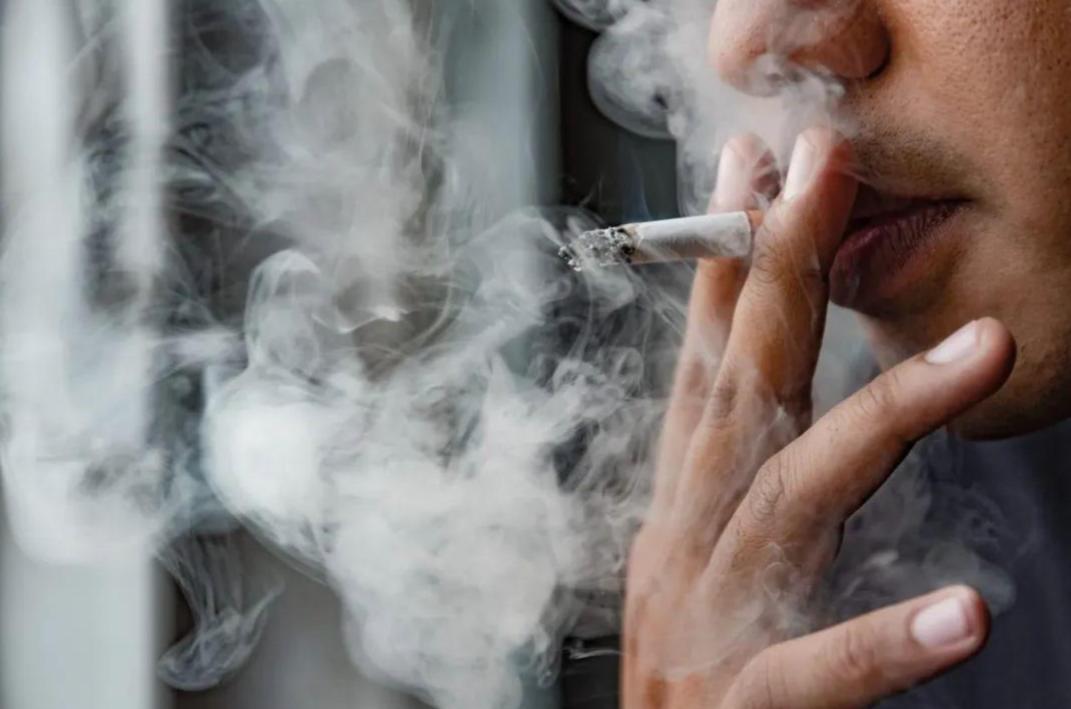
Smoking is a global public health concern and has been scientifically proven to be closely associated with numerous serious health conditions. Although most smokers understand the risks associated with tobacco use, quitting smoking remains extremely challenging due to nicotine addiction and behavioral dependence.
In recent years, Hyperbaric Oxygen Therapy (HBOT) has gained increasing attention as a complementary approach for supporting the body’s recovery from smoking-related damage.
This article explores the principles of hyperbaric oxygen therapy, its potential applications, and how HBOT may help reduce the impact of smoking on the human body.
The Harmful Effects of Smoking on the Human Body

Smoking causes widespread and serious damage to the body. In addition to affecting smokers themselves, secondhand smoke exposure can also negatively impact the health of people around them.
Scientific research has demonstrated that smoking is strongly associated with various health problems, including cardiovascular diseases, cancer, and respiratory disorders.
1. Cardiovascular Diseases
Smoking is one of the leading risk factors for cardiovascular diseases.
Chemicals in tobacco smoke can damage the inner lining of blood vessels, contributing to:
- · Atherosclerosis (hardening and narrowing of arteries)
- · Blood clot formation
- · Reduced vascular function
Smoking also increases the risk of:
- · High blood pressure
- · Coronary heart disease
- · Stroke
Studies have shown that smokers have a significantly higher risk of developing heart disease compared with non-smokers.
2. Cancer Risk
Smoking is one of the major preventable causes of cancer.
Toxic chemicals in tobacco smoke can directly damage body tissues, especially lung tissue. Smoking is strongly linked to an increased risk of multiple cancers, including:
- · Lung cancer
- · Oral cancer
- · Throat cancer
- · Esophageal cancer
- · Bladder cancer
- · Kidney cancer
Smoking has also been associated with other cancers, including stomach, pancreatic, and cervical cancers.
3. Respiratory Diseases
The respiratory system is one of the primary systems affected by smoking.
Harmful substances in tobacco smoke can irritate and damage the airways, increasing the risk of:
- · Chronic bronchitis
- · Emphysema
- · Chronic obstructive pulmonary disease (COPD)
Smoking also increases susceptibility to:
- · Respiratory infections
- · Tuberculosis
- · Asthma-related complications
4. Effects on Women and Children’s Health
Smoking can have particularly serious consequences for women and children.
For pregnant women, smoking may increase the risk of:
- · Premature birth
- · Low birth weight
- · Impaired fetal development
Children exposed to secondhand smoke are more likely to experience:
- · Respiratory infections
- · Middle ear infections
- · Asthma
Long-term exposure to tobacco smoke has also been associated with behavioral issues and learning difficulties in children.
Ways to Reduce the Harm Caused by Smoking
The most effective way to prevent smoking-related damage is to quit smoking. However, because nicotine addiction is highly complex, many people require additional support.
The following approaches may help reduce smoking-related health risks:
1. Smoking Cessation
Quitting smoking remains the most effective method to eliminate continued exposure to harmful tobacco substances.
Professional support, including:
- · Smoking cessation counseling
- · Nicotine replacement therapies
- · Medical guidance
- · Behavioral support programs
can improve the chances of successful quitting.
2. Avoid Secondhand Smoke
Secondhand smoke contains many harmful chemicals and can negatively affect both smokers and non-smokers.
Maintaining smoke-free homes and workplaces and avoiding smoking environments can help reduce unnecessary exposure.
3. Maintain a Healthy Lifestyle
A healthy lifestyle may help the body recover from smoking-related stress.
Recommended habits include:
- · Eating a balanced diet rich in vitamins and antioxidants
- · Exercising regularly
- · Maintaining good sleep habits
- · Supporting overall immune function
4. Regular Medical Checkups
Regular health screenings are important, especially for individuals with a history of smoking.
Early detection and management of smoking-related health issues can help reduce long-term health risks.
5. Support and Education
Providing smokers with education, resources, and emotional support can improve awareness and encourage healthier choices.
Families, communities, and healthcare organizations can contribute by promoting smoking cessation programs and anti-smoking initiatives.
How Hyperbaric Oxygen Therapy May Help Reduce Smoking-Related Damage
Although quitting smoking is the most effective way to prevent further tobacco-related damage, many smokers struggle with addiction.
In these situations, Hyperbaric Oxygen Therapy (HBOT) may serve as a complementary approach to support the body’s recovery process by improving oxygen availability, reducing oxidative stress, and promoting tissue repair.
Mechanisms of Hyperbaric Oxygen Therapy for Supporting Recovery from Smoking Damage
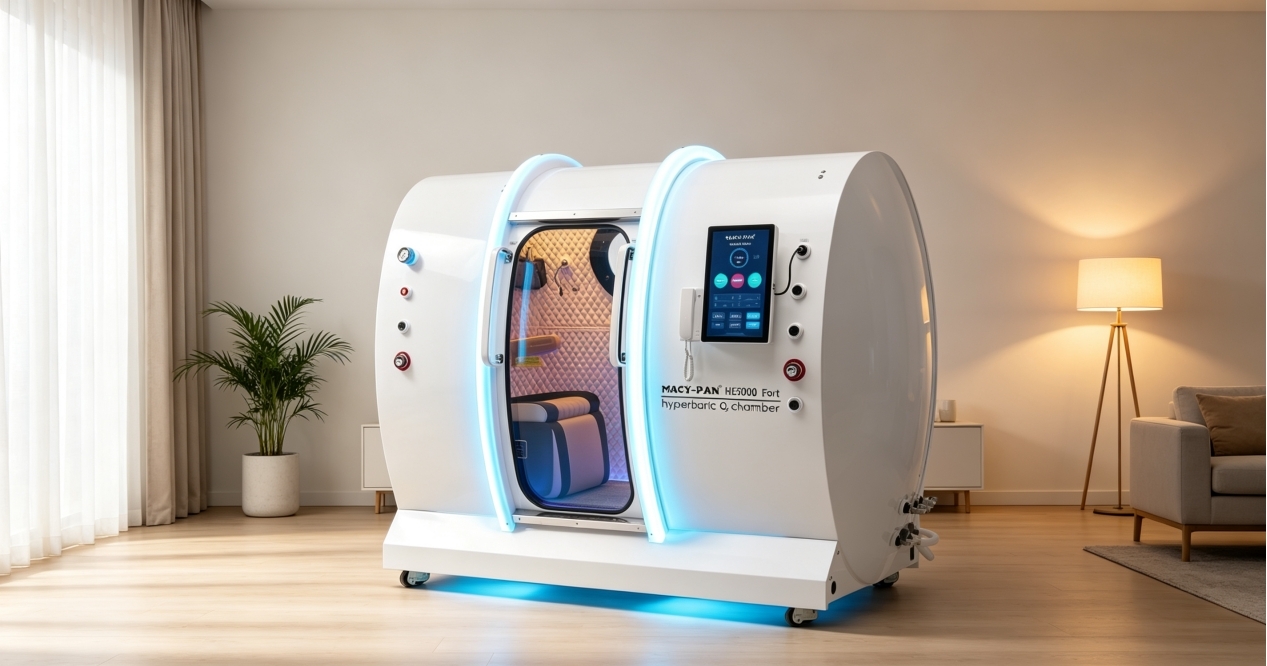
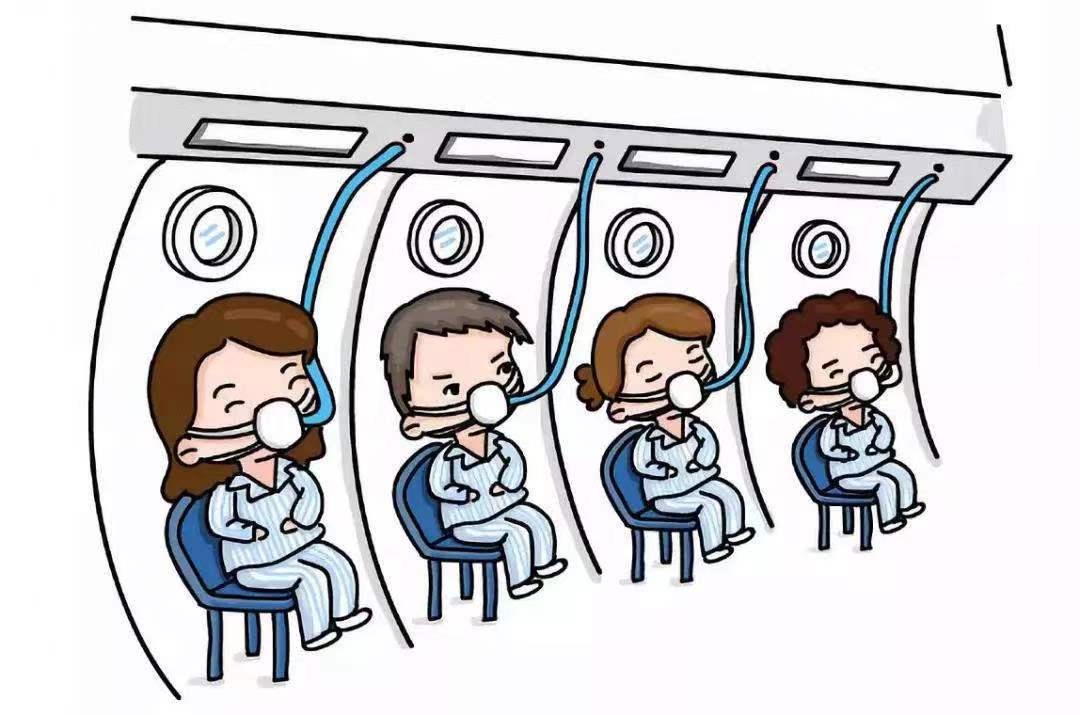
HBOT involves breathing high-concentration oxygen inside a pressurized chamber. Increased pressure allows more oxygen to dissolve into plasma and reach tissues that may experience reduced oxygen supply.
The potential mechanisms include:
1. Increased Oxygen Partial Pressure
During hyperbaric oxygen therapy, patients breathe concentrated oxygen under increased atmospheric pressure.
This process:
- · Raises oxygen levels in the blood
- · Improves oxygen diffusion through lung tissue
- · Enhances oxygen delivery to organs and tissues
Higher oxygen availability may help improve tissue oxygenation and counteract the effects of smoking-related oxygen impairment.
2. Reduction of Oxidative Stress
Smoking generates large amounts of reactive oxygen species (ROS), which contribute to oxidative stress and cellular damage.
HBOT may help by:
- · Supporting antioxidant enzyme activity
- · Reducing excessive free radical damage
- · Enhancing the body’s natural antioxidant defense system
These effects may help protect cells from oxidative injury.
3. Regulation of Inflammatory Responses
Smoking can trigger chronic inflammation throughout the body.
HBOT may help regulate inflammatory processes by:
- · Reducing the production of inflammatory mediators
- · Supporting healthier tissue responses
- · Protecting organ function
Some studies suggest that HBOT may influence inflammatory cell activity and reduce inflammatory damage in lung tissues.
4. Improving Blood Vessel Function and Blood Circulation
Smoking can negatively affect cardiovascular health by causing:
- · Endothelial dysfunction
- · Increased platelet activation
- · Higher blood viscosity
HBOT may support vascular health by:
- · Improving endothelial function
- · Supporting circulation
- · Reducing blood flow resistance
These effects may help improve circulation affected by smoking-related vascular stress.
5. Supporting Neurological Recovery
Smoking can negatively affect the central nervous system through oxidative stress and cellular damage.
HBOT may support neurological health by:
- · Promoting tissue repair processes
- · Increasing expression of growth factors
- · Supporting nerve cell recovery and regeneration
6. Immune System Regulation
Smoking can weaken immune function and increase susceptibility to infections.
HBOT may help support immune balance by:
- · Enhancing immune system activity
- · Supporting immune protein production
- · Improving macrophage and lymphocyte function
These effects may contribute to better immune responses against external challenges.
7. Tissue Repair and Regeneration
Smoking can contribute to various forms of tissue damage, including:
- · Lung tissue injury
- · Cardiovascular damage
- · Impaired wound healing
HBOT may support tissue recovery by:
- · Promoting new blood vessel formation (angiogenesis)
- · Supporting collagen production
- · Accelerating wound healing processes
- · Assisting muscle tissue recovery
Conclusion
Smoking remains one of the most significant preventable health risks worldwide. While quitting smoking is the most effective strategy for protecting long-term health, additional supportive approaches may help the body recover from smoking-related stress.
Hyperbaric Oxygen Therapy provides increased oxygen availability and may support:
- · Improved tissue oxygenation
- · Reduced oxidative stress
- · Better circulation
- · Inflammatory regulation
- · Tissue repair and regeneration
As research continues, HBOT is becoming an increasingly explored technology for supporting overall wellness and recovery.
Advanced Hyperbaric Oxygen Chambers by MACY-PAN
As a leading manufacturer of hyperbaric oxygen chambers, MACY-PAN is committed to developing safe, reliable, and innovative HBOT solutions for wellness and professional applications.
Our advanced hyperbaric chambers are designed to provide a comfortable and controlled oxygen therapy environment, helping users experience the benefits of modern hyperbaric technology.
Post time: Jul-23-2026